



Retro Light Fitting
A retro light fitting brings distinct period character to a room, offering functional illumination paired with striking historical design.
Retro Light Fitting
A retro light fitting encompasses architectural and decorative illumination drawn from the nineteenth century through the mid-twentieth century. When searching for a retro light fitting, buyers encounter diverse forms ranging from industrial ceiling fixtures to elegant Art Deco chandeliers.
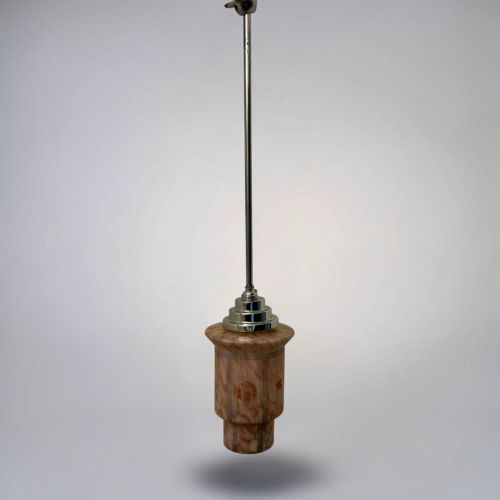
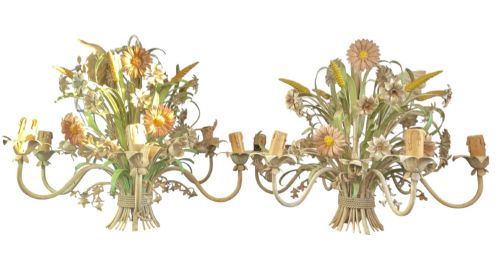
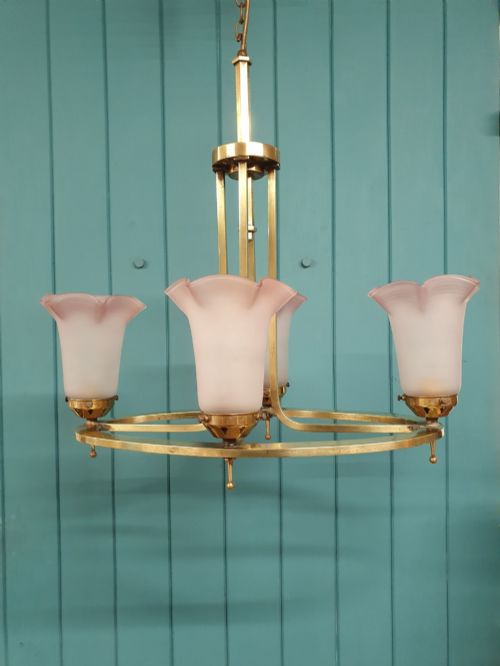
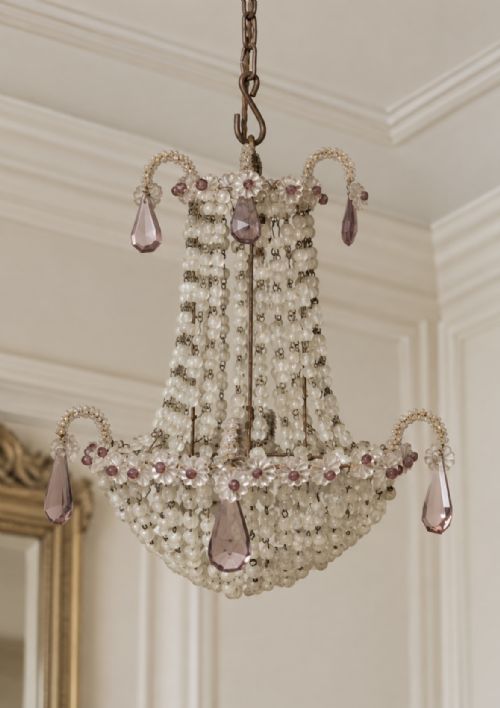
The selection includes pendant lights, wall sconces, and chandeliers originating from periods such as the 1920s, 1930s, and 1940s. Many pieces exhibit distinct stylistic traits associated with Art Deco design, Italian Venetian work, and early industrial manufacture.
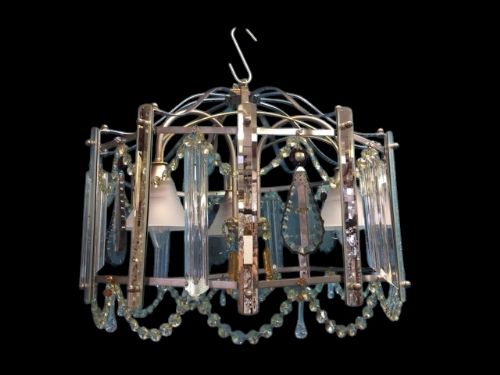
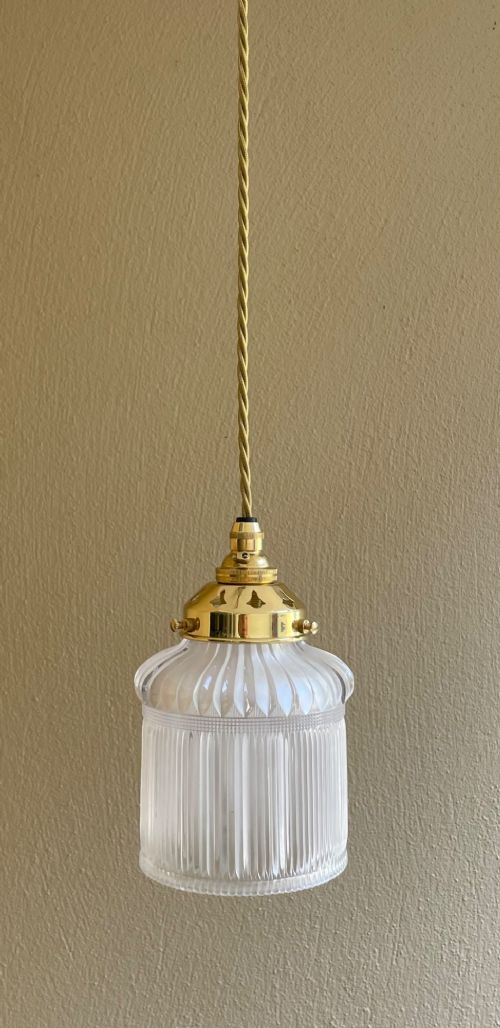
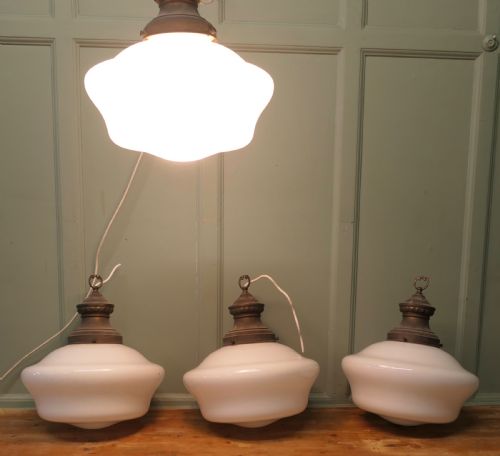
Ceiling lights and pendant lighting dominate the selection, often featuring glass shades paired with metal frames. Buyers frequently find matching pairs of wall sconces alongside larger multi-light chandeliers suitable for central room placement.
Materials and construction methods
Makers utilised durable metals including brass, chrome, copper, and general metal alloys to form the structural frames, arms, and fixtures. These metals were often polished, plated, or gilded to achieve specific decorative finishes.
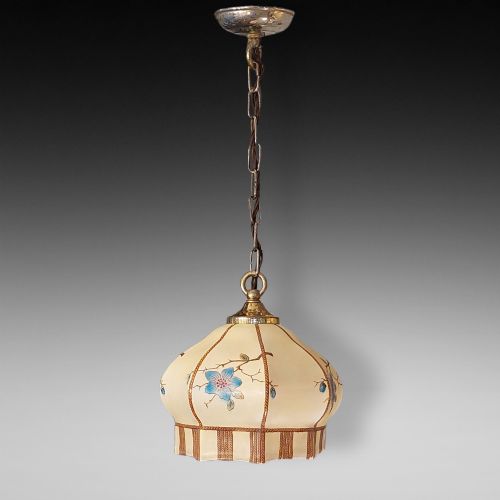
Glass forms a central component of these fittings, utilising opal glass, frosted glass, crystal, and hand-painted or crimped variations for shades. Specialised techniques produced prismatic details and cloud-shaped moulded glass elements.
Retro Light Fitting Retail Price Guide 2026
Typical asking prices for retro light fitting among the pieces listed under this phrase on Sellingantiques today, from the lower quarter to the upper quarter. They describe what is for sale here now, not the wider market.
Listings feature lighting from the nineteenth century through the 1940s, utilising brass, chrome, copper, and various forms of opaline and frosted glass.
Distinguishing quality and execution
Quality in a retro light fitting rests upon the weight and finish of the metal components and the clarity of the glass elements. Heavier cast brass frames and thick moulded or opaline glass shades denote superior fabrication.
The finesse of decorative details, such as hand-painted glass motifs or intricate metalwork, separates standard production items from finer studio and maker pieces. Original matching components across multi-light configurations also elevate a fixture.
Jean Gauthier
The Retro Light Fitting Glossary
- Art Deco
- A design style characterised by streamlined geometric forms, popular during the 1920s and 1930s. It frequently appears in lighting through stepped frames and moulded glass shades.
- Opal glass
- A milk-white translucent glass used to diffuse light evenly across a room. It softens glare while maintaining high light transmission.
- Holophane
- A brand and type of prismatic glass engineered to direct and diffuse light efficiently. It is commonly found in industrial and commercial light fittings.
- Pendant light
- A hanging light fixture suspended from the ceiling by a cord, chain, or metal rod. These fixtures concentrate illumination over specific areas such as tables or hallways.
Retro Light Fitting: Frequently Asked Questions
How do I choose the right size retro light fitting?
Consider the proportions of your room and the height of your ceiling when selecting a fixture. Larger multi-light chandeliers suit expansive spaces, while compact pendants or wall sconces work better in smaller rooms.
Ensure adequate clearance beneath hanging lights, particularly in walkways or above dining surfaces, to maintain both visual balance and practical functionality.
Are these light fittings compatible with modern wiring?
Most vintage and antique light fittings require professional rewiring to meet current electrical standards and safety codes. A qualified electrician can easily adapt older fixtures for contemporary power systems.
Retaining the original metalwork and sockets while updating the internal wiring preserves the historical integrity of the piece whilst ensuring safe domestic operation.
How do I clean and maintain glass shades?
Remove delicate glass shades from the metal frame before cleaning to prevent accidental damage or stress on older fittings. Wash them gently in lukewarm water using a mild, non-abrasive detergent.
Dry the glass thoroughly with a soft cloth before reattaching it to the fixture, taking care not to over-tighten any retaining screws on brass or chrome galleries.
How can I tell the period of a light fitting?
Examine the materials, manufacturing techniques, and stylistic motifs employed in the construction of the fixture. Elements such as stepped Art Deco brasswork, heavy industrial enamel, or prismatic glass point to specific decades.
Consulting structural details like screw types, fitter sizes, and maker signatures helps confirm whether a piece originates from the early twentieth century or later periods.