
Retro Gold Timepiece
A retro gold timepiece brings mid-century horology to the wrist or desk, combining period style with precious metal and reliable mechanical movements.
Retro Gold Timepiece
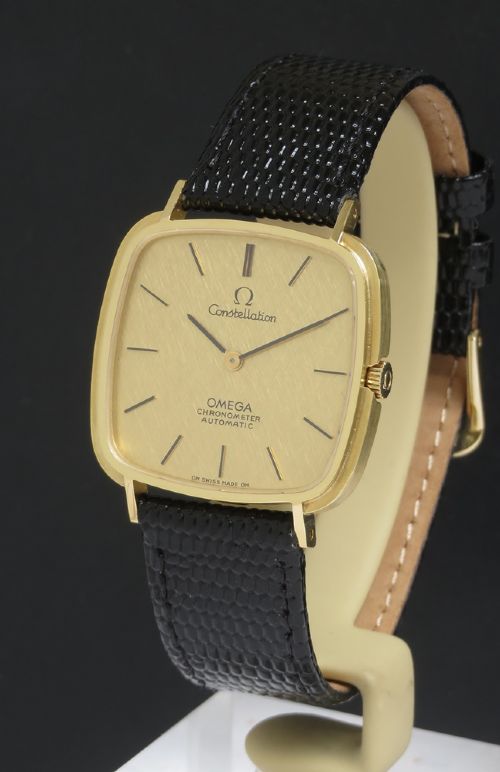
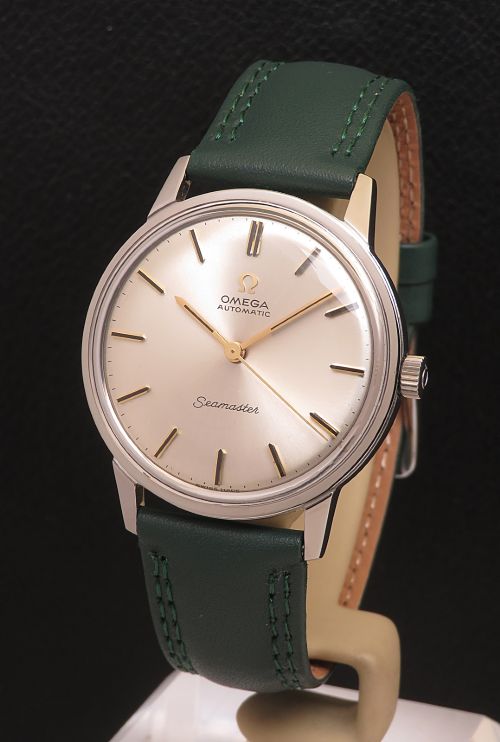
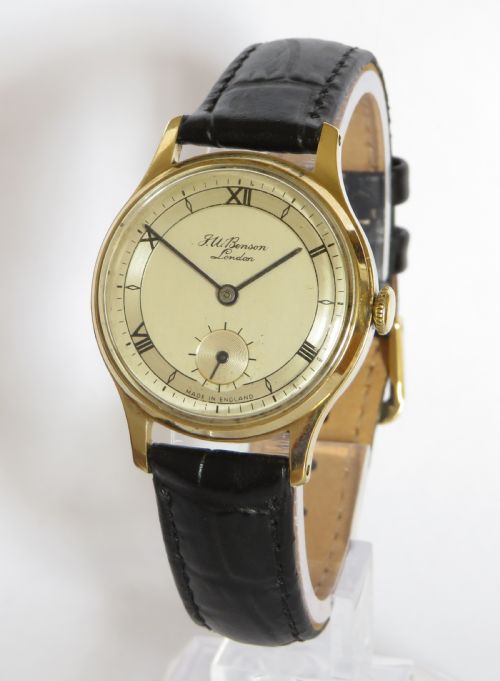
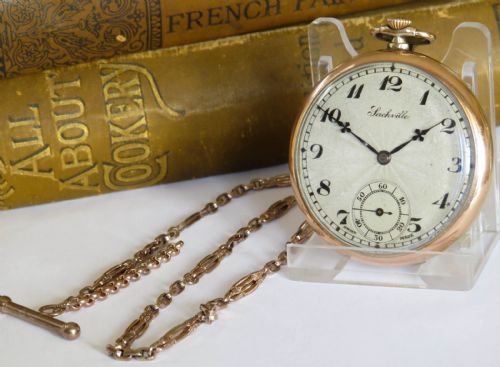
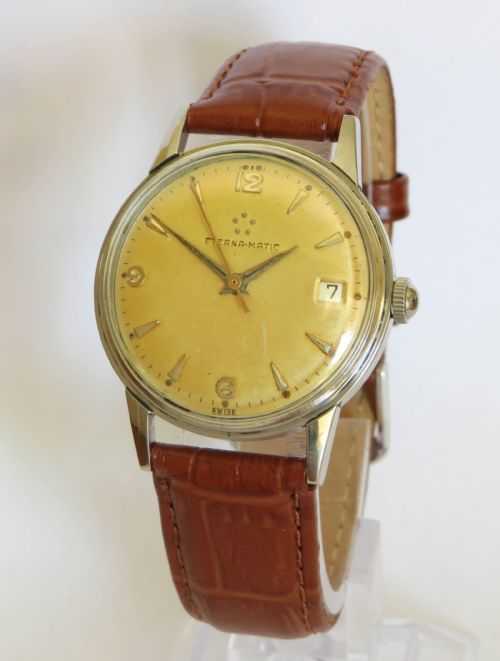
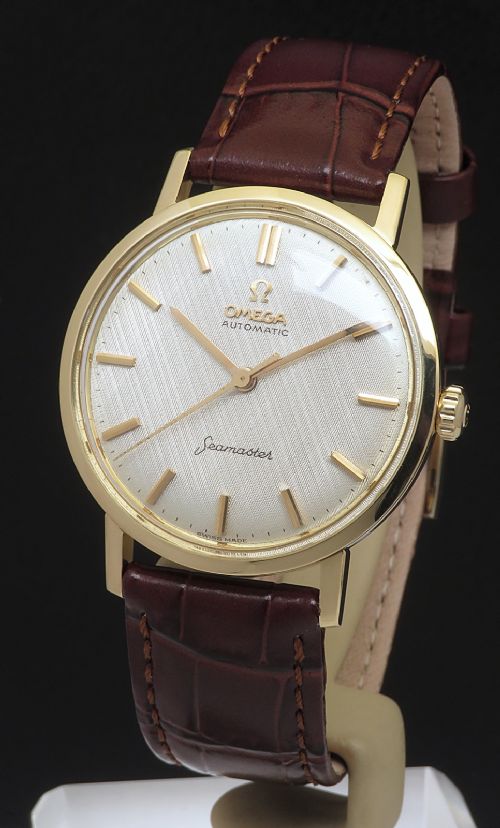
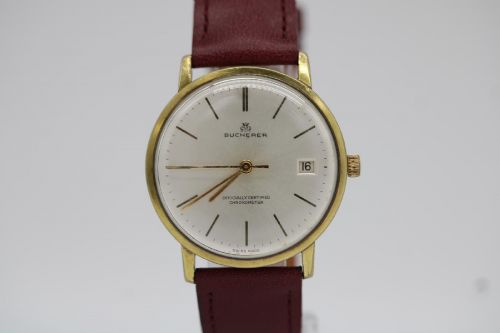
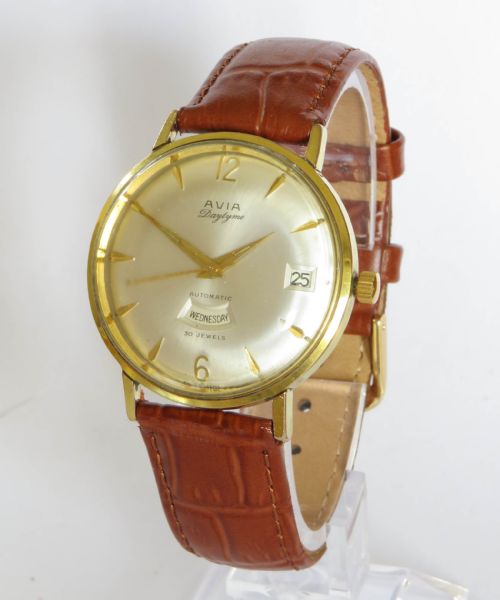
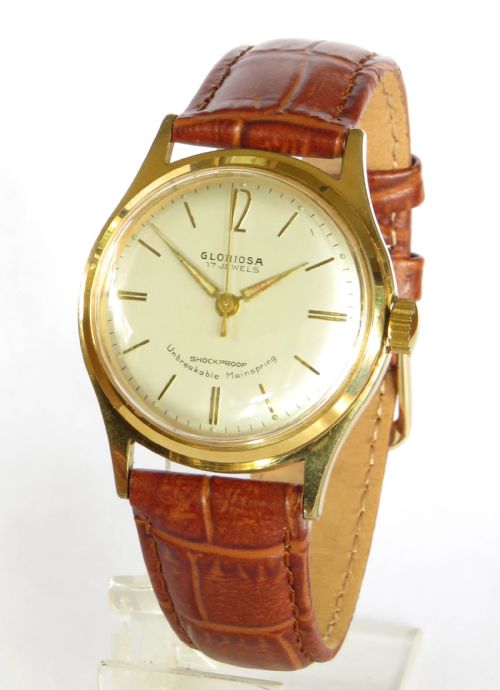
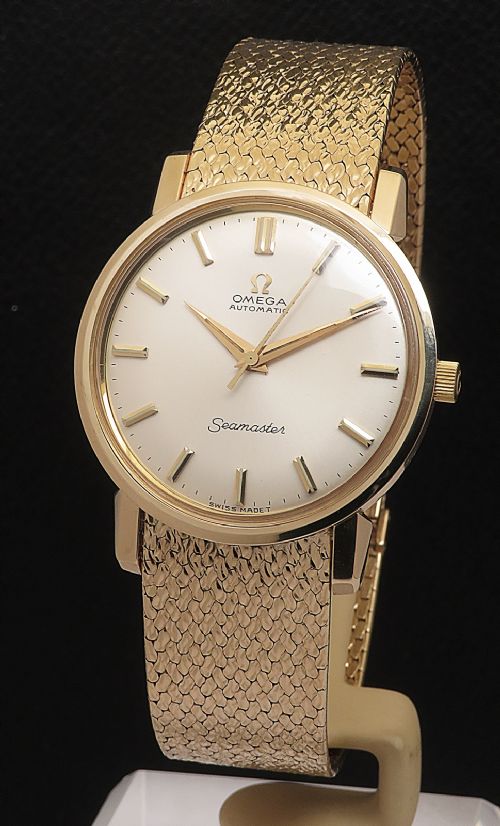
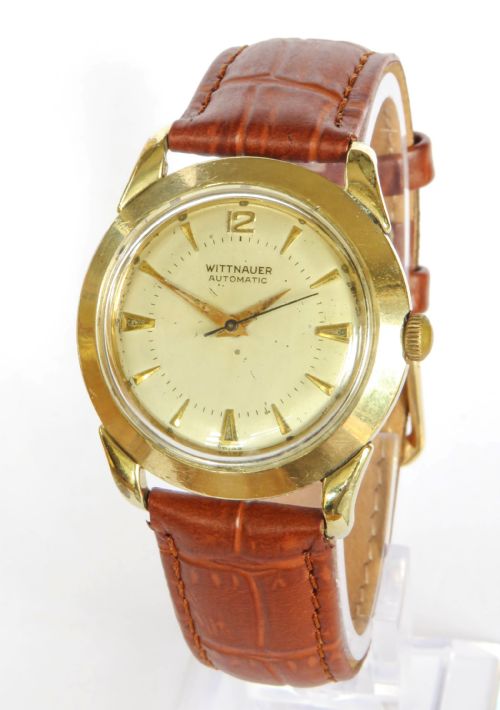
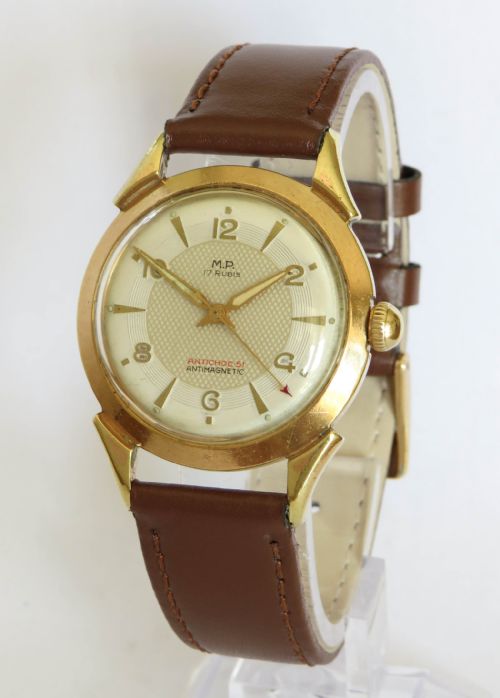
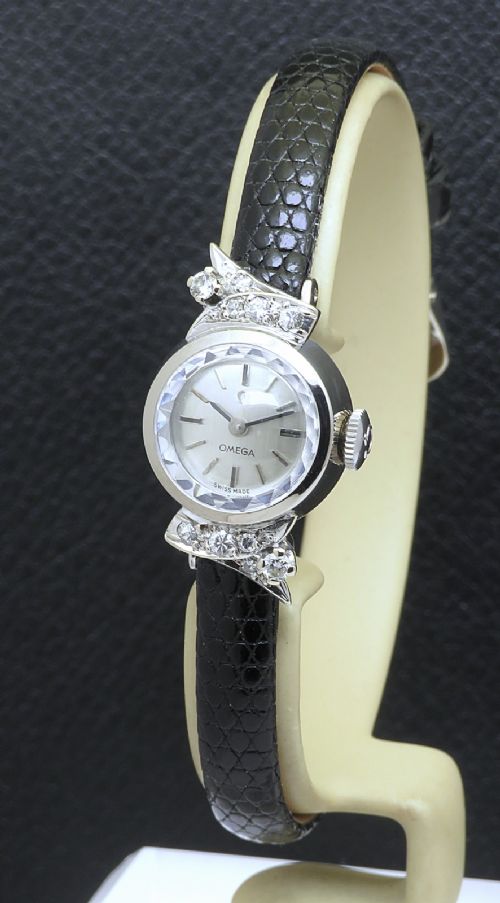
A retro gold timepiece spans wristwatches, pocket watches, and desk clocks originating mainly from the mid-twentieth century. The selection leans heavily toward wristwatches produced during the 1950s and 1960s, reflecting the dominant horological output of those decades.
Makers utilised various forms ranging from slim dress watches to robust automatic models and decorative desk clocks. Styles draw on mid-century modern, minimalist, and art deco aesthetics, showing distinct eras of design evolution.
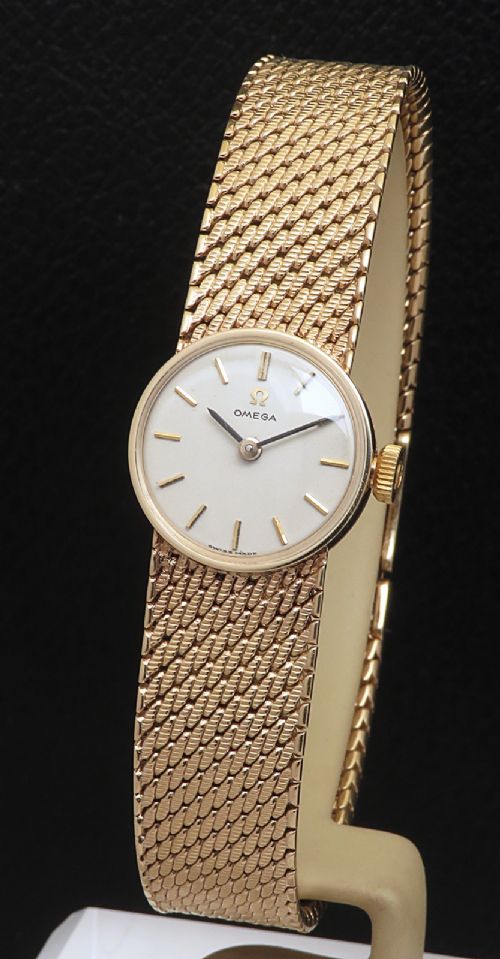
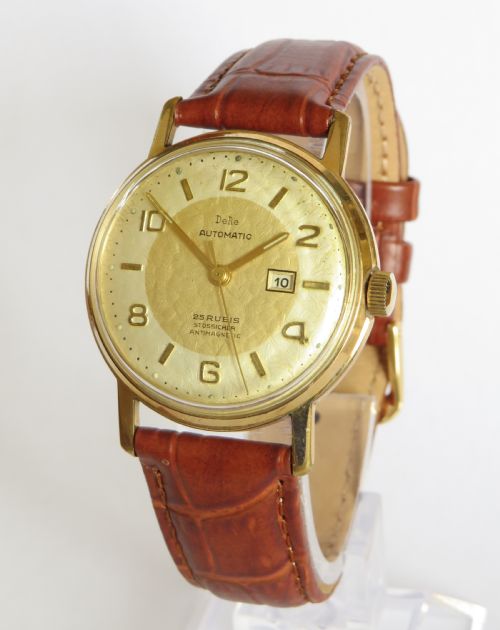
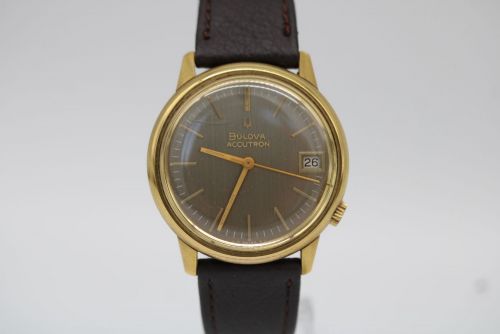
The materials reflect both luxury production and everyday utility of the past. Pieces appear in solid 9ct and 18ct gold alongside gold plate, complemented by leather straps, glass crystals, and brass components.
How they were made
Construction relies on traditional mechanical and automatic movements housed in cases of solid gold or gold plate. Manufacturers paired precious metal cases with durable metal internal components, manual wind gear trains, and specialised complications like date displays or alarm mechanisms.
Dials received meticulous finishing, including sunburst patterns, two-tone layouts, and applied markers under glass or acrylic crystals. Casework often paired with stitched leather straps or integrated precious metal bracelets.
Some vintage desk clocks ring an alarm with enough mechanical enthusiasm to wake the entire household from across the room.
What varies in quality
Quality differences stem from the specification of the movement, the weight and purity of the metal case, and the preservation of original factory details. Solid 18ct gold housings and high-jewel Swiss movements represent the upper tier of production.
The presence of original packaging, paperwork, and factory boxes elevates a piece above standard examples. Dial preservation and case sharpness also dictate distinction, separating everyday survivors from pristine collector grade specimens.
Omega·Smiths·Bulova Accutron·Longines·Jaeger LeCoultre·Eterna Matic
The Retro Gold Timepiece Glossary
- Automatic
- A self-winding mechanical movement that uses the natural motion of the wearer's wrist to power the mainspring.
- Chronometer
- A high precision watch capable of carrying a certificate from an official testing institution after rigorous timing trials.
- Gold Plate
- A base metal substrate bonded with a thin layer of gold to give the appearance of solid precious metal.
- Manual Wind
- A mechanical movement that requires the wearer to turn the crown by hand to tension the mainspring.
- Moonphase
- A complication on a dial that graphically displays the current lunar phase as it waxes and wanes.
Retro Gold Timepiece: Frequently Asked Questions
How do I wind a manual watch?
Rotate the crown clockwise between your thumb and forefinger until you feel gentle resistance. Stop immediately to avoid damaging the mainspring.
Wind the watch at the same time each day to maintain consistent tension and accurate timekeeping.
Are these vintage watches waterproof?
Vintage timepieces generally lack modern waterproof seals, even if original descriptions mention water resistance. Older gaskets degrade over decades and fail to block moisture.
Keep the watch away from swimming, showering, and heavy rain to protect the internal movement and dial from water damage.
What is an automatic movement?
An automatic movement contains an internal weighted rotor that spins as your arm moves throughout the day. This motion winds the mainspring automatically without manual intervention.
If left off the wrist for a few days, the power reserve depletes and the watch stops until rewound or worn again.
How should I store a desk clock?
Place desk clocks on a stable, level surface away from direct sunlight, extreme temperature fluctuations, and magnetic fields from electronic devices.
If storing the clock long term, let the movement run down fully and keep it in a dry environment protected from dust.