



Retro Glass Tables
Retro glass tables combine transparent surfaces with period metals, offering practical centrepieces for collectors of twentieth-century design.
Retro Glass Tables
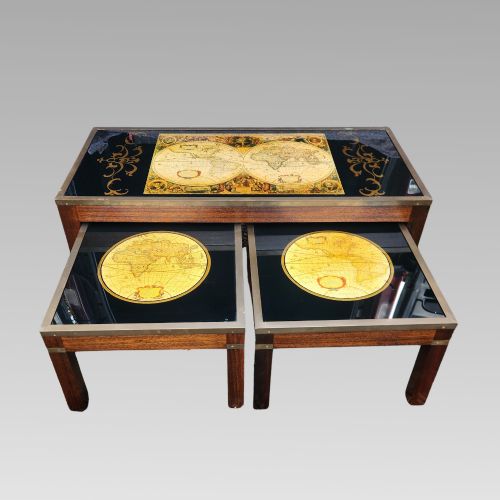
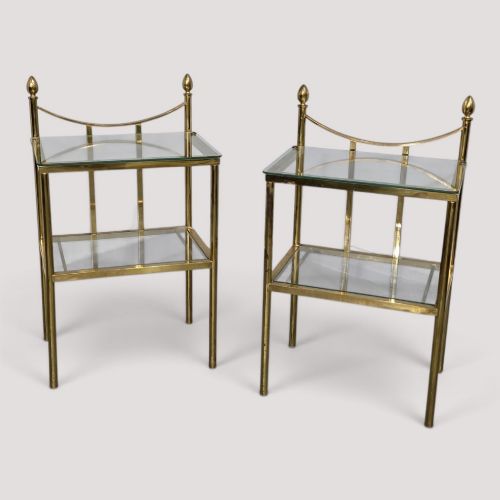
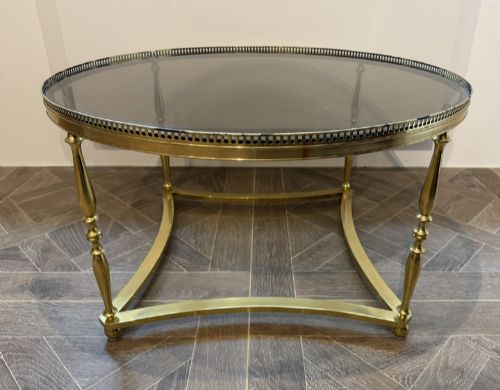
When buyers search for retro glass tables, they encounter occasional tables, coffee tables, and side tables originating from the nineteen-thirties and adjacent periods. These pieces frequently combine glass tops with structural frames of chrome, brass, or wood.
The selection on this page extends to smaller support pieces and occasional furniture reflecting Art Deco and Mid-Century Modern aesthetics. Such forms provide functional display areas while maintaining the light, reflective qualities characteristic of glass-topped furniture.
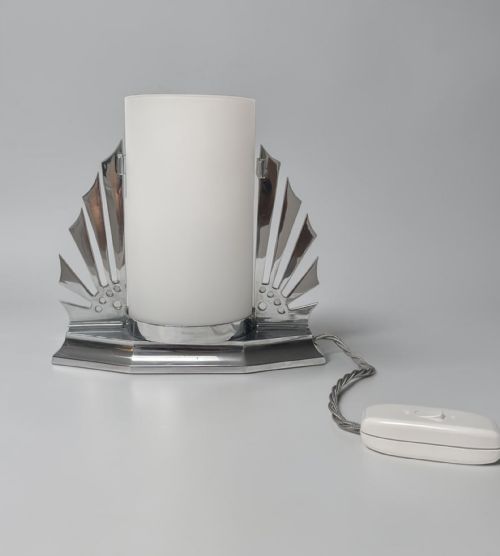
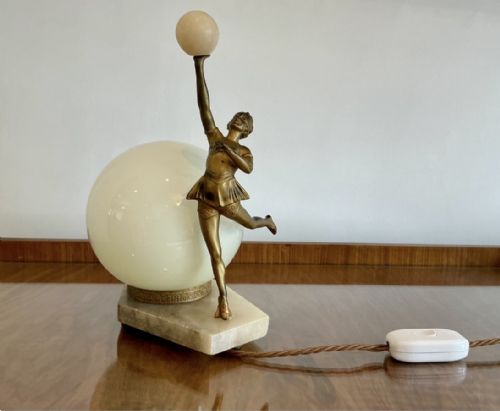
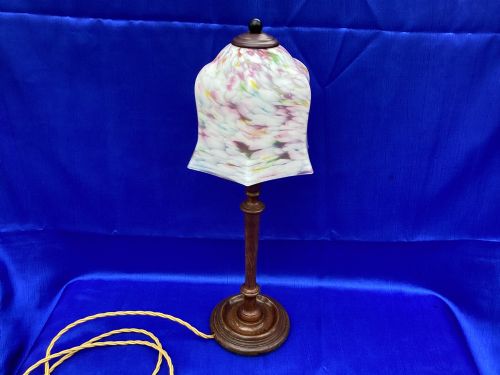
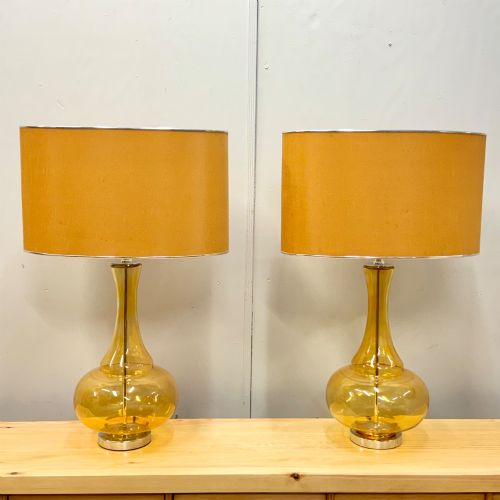
Origins span English, French, and Italian workshops, bringing diverse regional interpretations to the basic table form. Buyers regularly find designs incorporating opaline, amber, or mottled glass alongside metallic supports.
Materials and construction methods
Makers utilised transparent and coloured glass panels set into rigid frameworks of brass, chrome, or polished wood. Metal elements were cast, bent, or plated to create geometric supports that could safely bear glass surfaces.
The integration of glass with materials such as marble, brass, and chrome required precise fitting techniques. Frames often display the characteristic linear motifs of the Art Deco period, secured with period fixings and joints.
Retro Glass Tables Retail Price Guide 2026
Typical asking prices for retro glass tables among the pieces listed under this phrase on Sellingantiques today, from the lower quarter to the upper quarter. They describe what is for sale here now, not the wider market.
Fish auction bidders numbers occasionally sneak into the inventory to keep everyone guessing.
Distinctions in craftsmanship
Superior examples demonstrate heavier gauge metals and superior finishing on chrome and brass components. The weight and clarity of the glass panel itself distinguish better items from standard production pieces.
Construction integrity in the joints and the precision of geometric metalwork separate masterworks from simpler utilitarian tables. Original surface patination on the brass and chrome further indicates the grade of manufacture.
Karl Palda·Smiths Clockmakers
The Retro Glass Tables Glossary
- Art Deco
- A design style prevalent in the nineteen-thirties characterised by sleek lines, geometric shapes, and modern industrial materials. It strongly influences the profiles of these tables.
- Chrome
- A hard, corrosion-resistant metallic plating applied to base metals to provide a bright, reflective finish. This treatment is common on twentieth-century furniture frames.
- Opaline Glass
- An opaque or semi-translucent glass, often white or coloured, used for decorative panels and lamp bodies. It diffuses light softly.
- Occasional Table
- A small, movable table designed for specific, intermittent uses such as holding drinks or decorative objects. These form a primary category within modern furniture.
- Brass
- A yellow alloy of copper and zinc used extensively for structural frames and decorative mounts. It develops a natural patina over time.
Retro Glass Tables: Frequently Asked Questions
What periods do these tables represent?
The listings span primarily the nineteen-thirties, alongside nineteen-twenties and mid-century examples. These dates reflect the height of Art Deco and early modern design movements.
Buyers will also encounter pieces influenced by Victorian and Edwardian aesthetics repurposed into later decorative schemes.
How do I care for a glass top?
Maintenance requires standard glass cleaner applied with a soft cloth to avoid scratching the surface. Care must be taken around exposed metal edges and plated finishes.
Harsh chemical abrasives should be avoided to preserve the original patination on brass and chrome components.
Where were these tables made?
Origins include English, French, and Italian workshops and factories. European design houses frequently produced the most striking modernist combinations of glass and metal.
Domestic British production is also represented through occasional tables and complementary furniture.
Are the glass tops original?
Most listings maintain their period glass inserts, which display the thickness and slight imperfections typical of older manufacturing methods. Examining the seating of the glass within the frame helps confirm its age.
Replacements, where present, generally match the original bevels and dimensions specified by the period maker.