

Retro Glass Pendant Light
A retro glass pendant light brings direct overhead illumination and distinct period character to a room.
Retro Glass Pendant Light
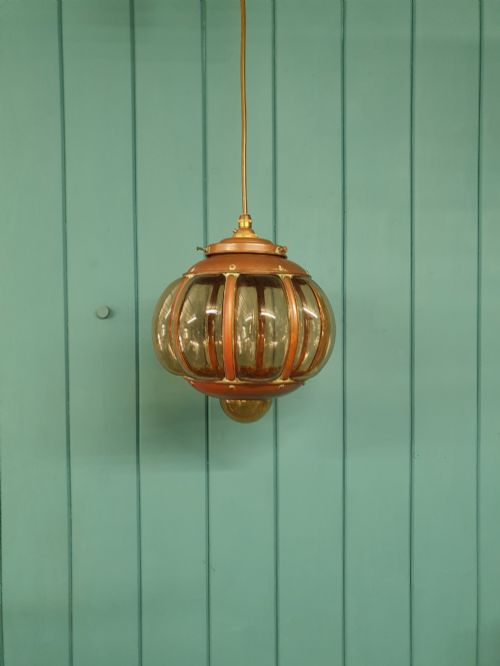
A retro glass pendant light is a ceiling-suspended fixture designed to cast focused illumination downwards into a space. When searching for this phrase, buyers encounter examples originating from the 19th century through to the mid-20th century, encompassing Edwardian, Victorian, and later decades.
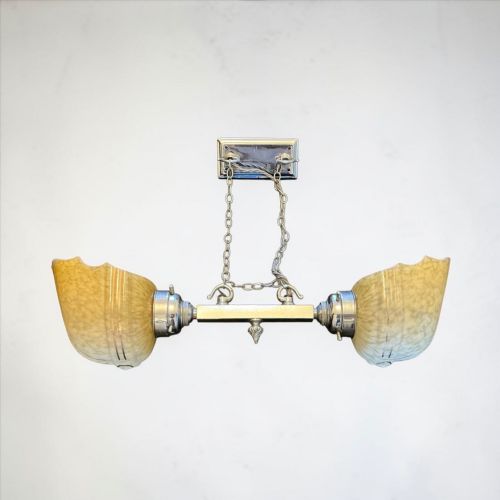
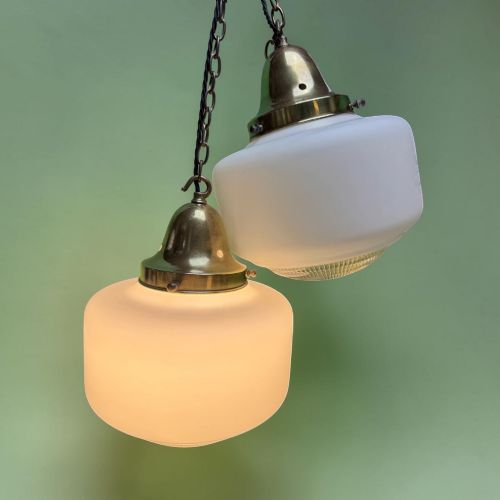
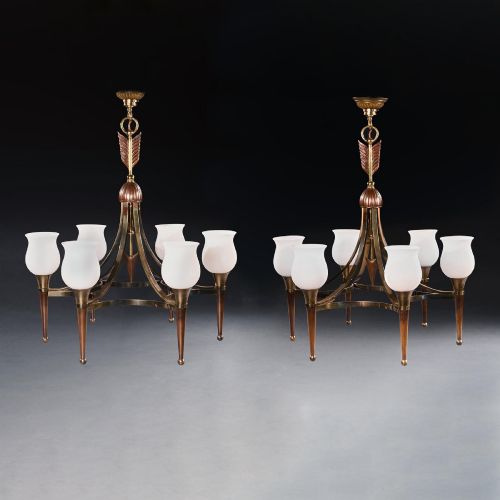
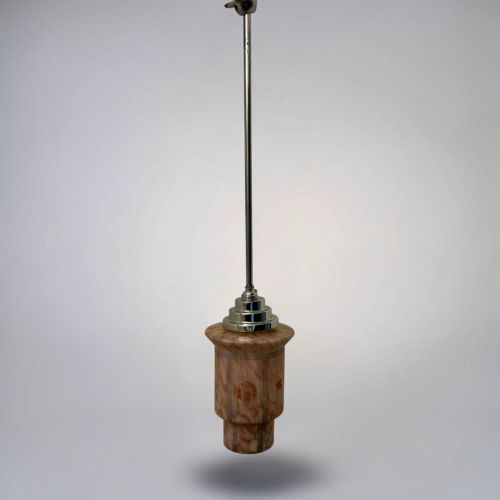
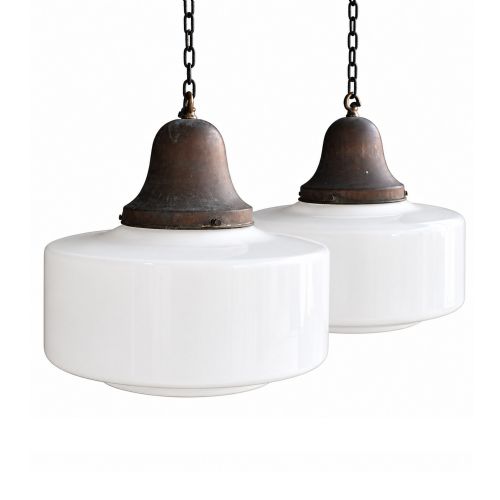
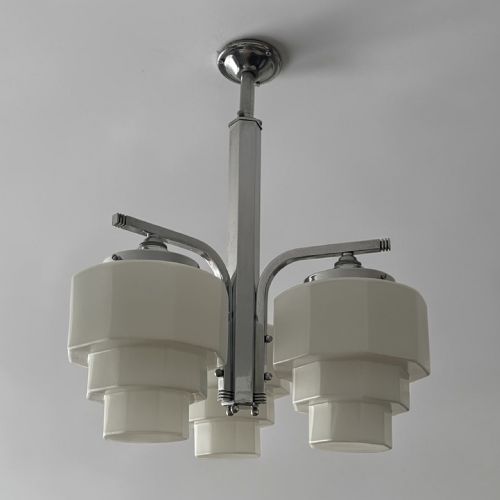
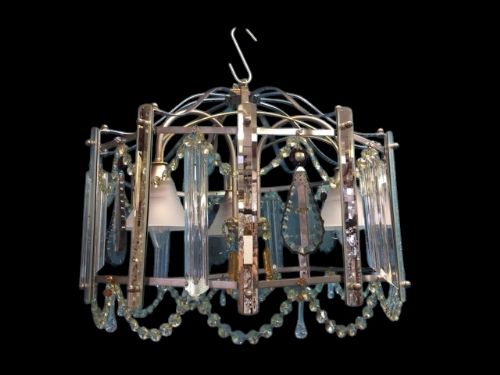
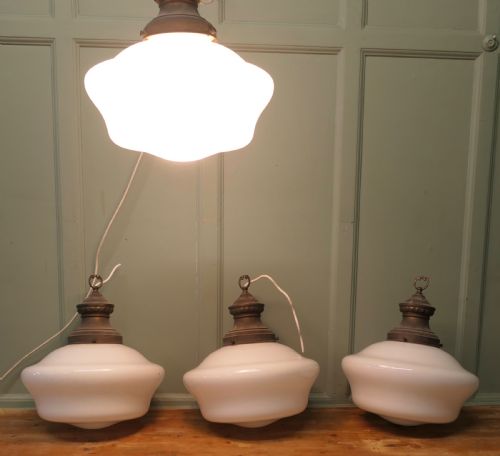
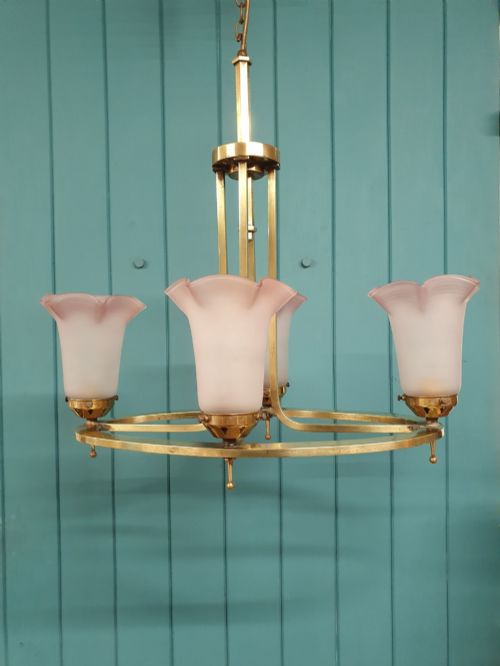
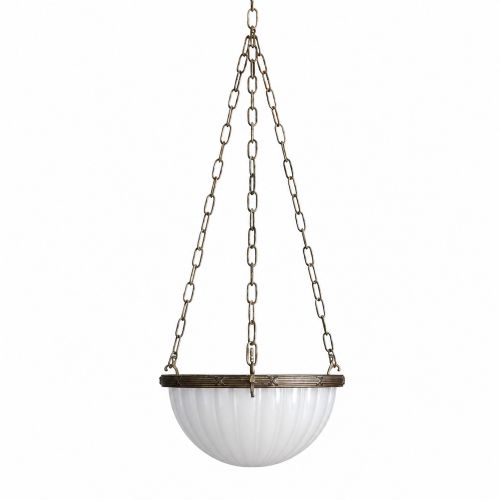
The selection on this page leans heavily towards the 1920s and 1930s, featuring distinct Art Deco forms alongside industrial factory lights and Italian chandeliers. Common configurations range from simple opaline glass globes and ribbed shades to complex multi-light brass and glass fixtures.
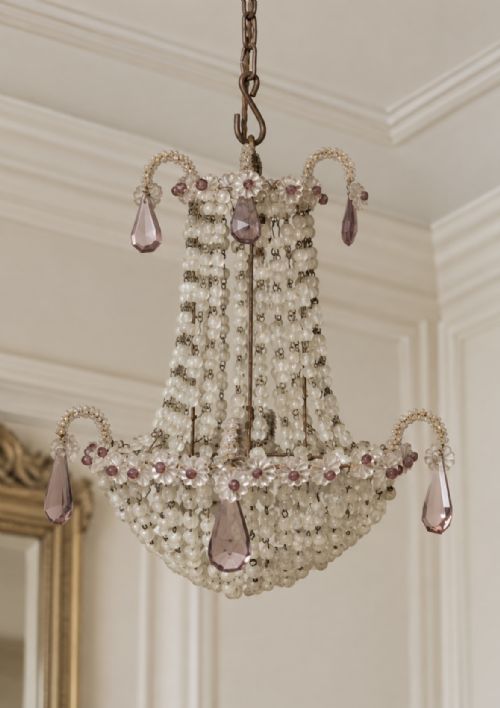
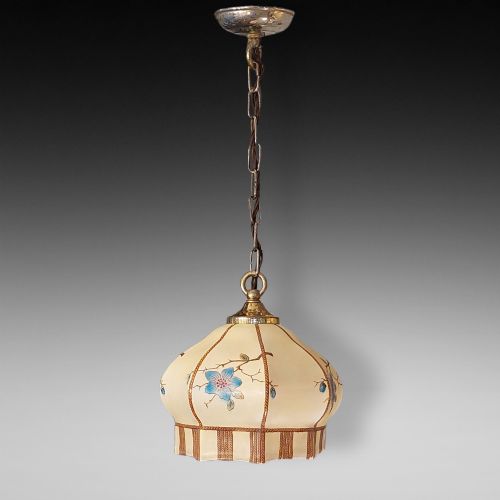
Makers and origins span English church and factory contexts, French ateliers, and Venetian glass production. Forms appear as individual hanging pendants, matched pairs, large ceiling globes, and elaborate chandeliers fitted with glass drops or hand-painted shades.
How they were made
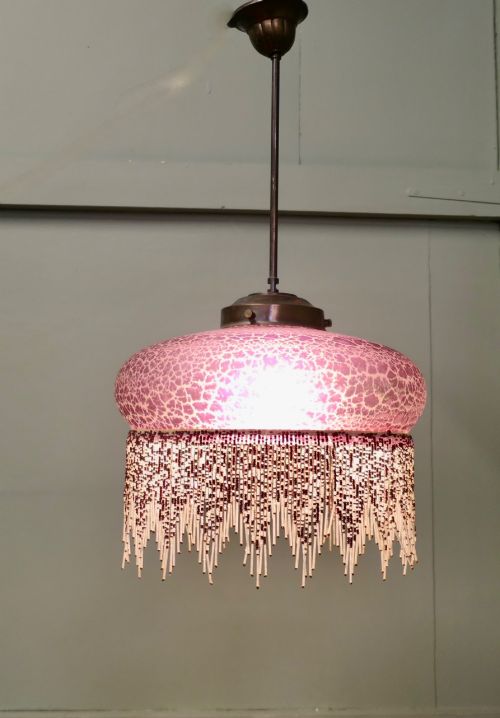
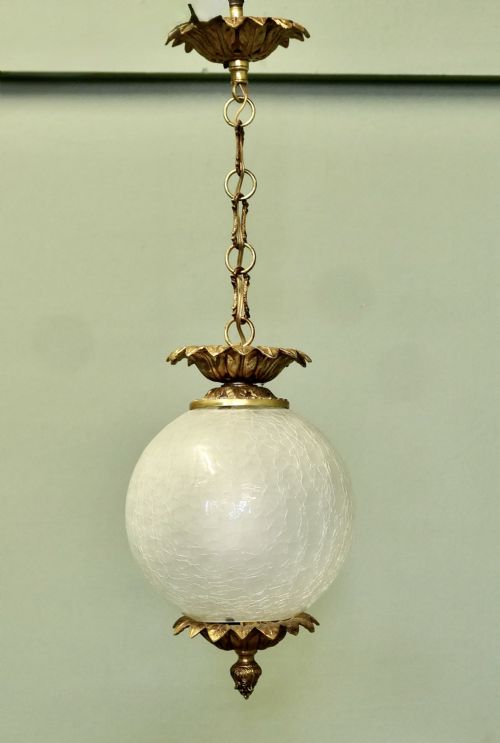
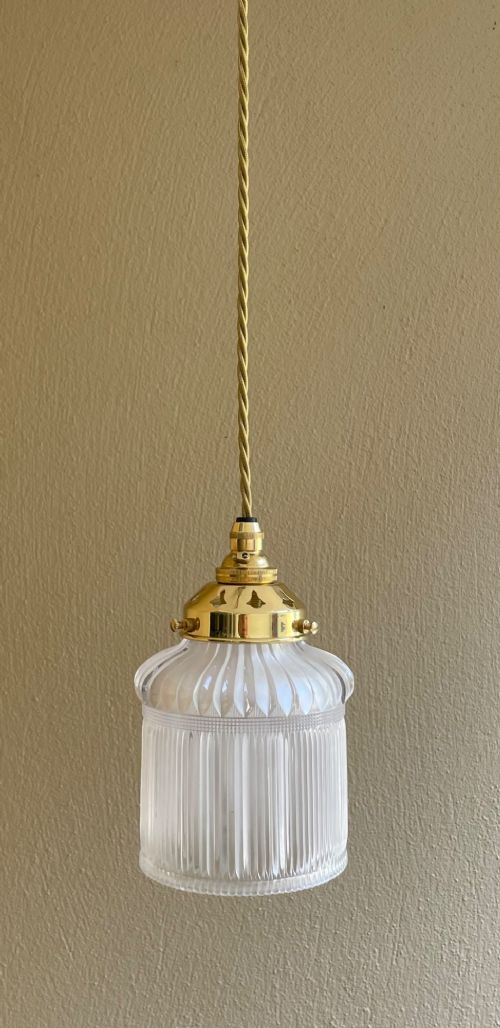
These fixtures combine blown or moulded glass shades with metal suspension hardware made from brass, copper, chrome, and standard metal alloys. Glass types vary widely from smooth opaline and frosted surfaces to crackle glass, pink crimped edges, and prismatic patterns.
Metal components often feature specialist galleries, chains, and ceiling roses designed to secure the heavy glass weights safely overhead. Individual pieces incorporate hand-painted details or specialised moulding techniques, such as the distinct fish scale and reeded textures seen on opaline shades.
Retro Glass Pendant Light Retail Price Guide 2026
Typical asking prices for retro glass pendant light among the pieces listed under this phrase on Sellingantiques today, from the lower quarter to the upper quarter. They describe what is for sale here now, not the wider market.
Jean Gauthier stamped his French Art Deco glass shades with the name Ezan, immortalising a small town in glassware history.
What varies in quality
Quality in these hanging fixtures rests upon the weight and clarity of the glass and the substantial nature of the metal mountings. Thicker opaline glass, crisper moulding patterns, and heavier brass or copper galleries distinguish superior examples from standard utility lighting.
The integrity of the original glass shade combined with matching period metalwork dictates the overall standard of the piece. Subtle details such as hand-painted motifs, specialist prismatic glass design, and balanced proportions elevate certain chandeliers and pendants above ordinary functional items.
Jean Gauthier·Ezanville
The Retro Glass Pendant Light Glossary
- Opaline glass
- A milky, semi-translucent glass that diffuses light evenly across a room without harsh glares. This material appears frequently in vintage pendant shades and ceiling globes.
- Gallery
- The metal collar or ring that grips the upper rim of a glass shade and connects it to the suspension rod or chain. Galleries are commonly cast in brass, chrome, or copper.
- Plafonnier
- A shallow ceiling light fixture where the glass shade sits closely against or just below the ceiling rose. This French term describes a flush or semi-flush hanging style.
- Prismatic glass
- Specially moulded glass featuring geometric ridges or prisms designed to refract and maximise light output. It is a defining characteristic of industrial Holophane lighting.
- Chandelier
- A branched ceiling light fixture designed to hold multiple lamp bulbs and suspend decorative glass elements. These larger pieces often feature crystal drops or multiple hanging shades.
Retro Glass Pendant Light: Frequently Asked Questions
What is a retro glass pendant light?
A retro glass pendant light is a vintage ceiling-suspended fixture that utilises a glass shade to direct and soften illumination. These pieces range from early industrial factory fittings to decorative Art Deco globes.
They serve as both functional room lighting and distinct interior design statements. Most examples suspend from ceilings using chains, cords, or rigid metal rods.
Where should I hang these lights?
These pendant lights suit high-ceilinged hallways, dining spaces, kitchens, and living rooms where overhead illumination is required. Their downward-facing designs concentrate light over specific zones.
Smaller pendants work well in series along a corridor or island, while larger chandeliers anchor a primary room. Consideration must be given to ceiling height and the physical drop of the fixture.
How do I identify an Art Deco pendant?
Art Deco pendant lights typically feature geometric patterns, streamlined symmetrical shapes, and materials like opaline glass paired with brass or chrome. Dates generally centre around the 1920s and 1930s.
Characteristics include stepped galleries, frosted or crackle glass finishes, and clean architectural lines. French and English examples from this era show distinct moulding styles.
Are these lights compatible with modern wiring?
Most antique and vintage pendant lights require professional rewiring to meet current electrical safety standards before installation. Qualified electricians can easily adapt historical fittings to accept modern lamp bulbs.
The original brass, copper, and chrome galleries generally house modern lamp holders without altering the outer appearance. Careful handling of old glass shades during the rewiring process is essential.