


Retro Glass Lighting
Retro glass lighting brings together mid-century illumination and twentieth-century period forms to brighten residential spaces with distinct character.
Retro Glass Lighting
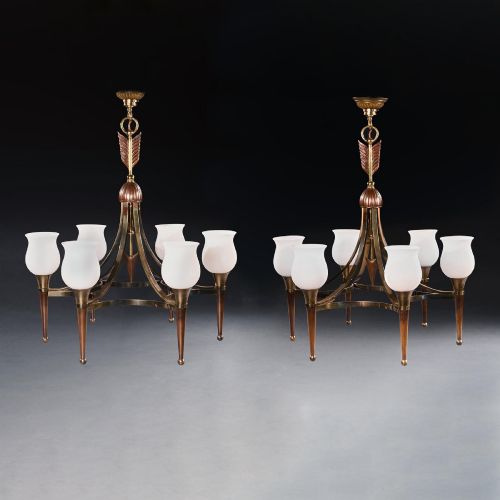
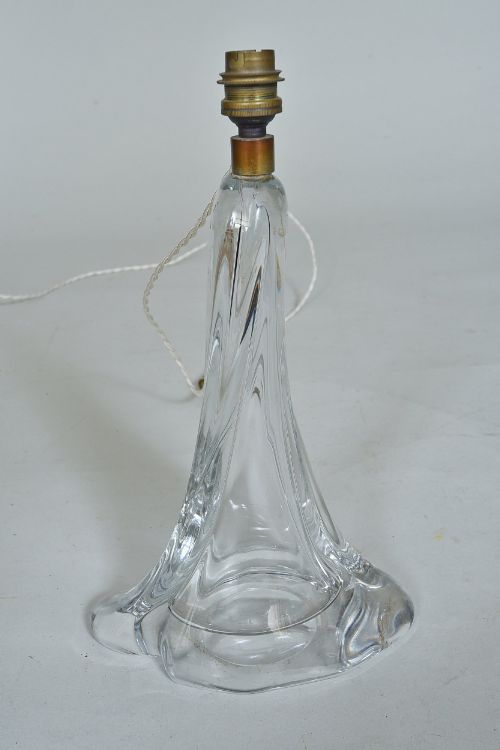
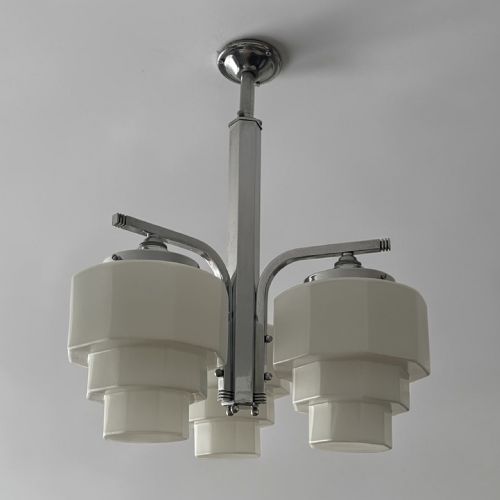
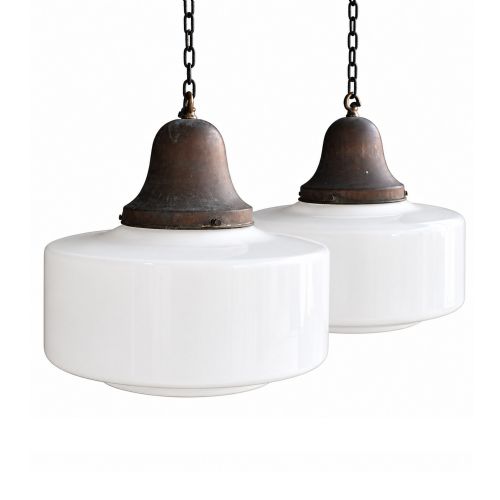
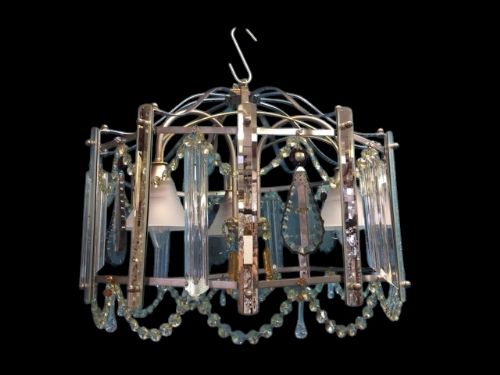
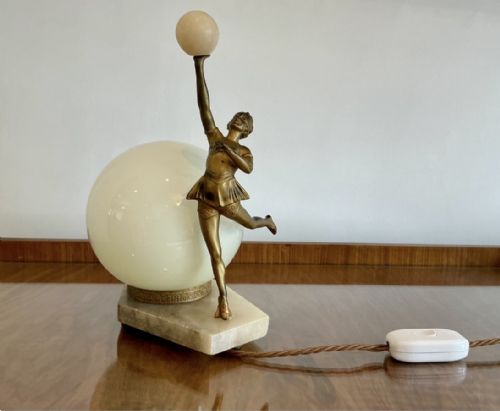
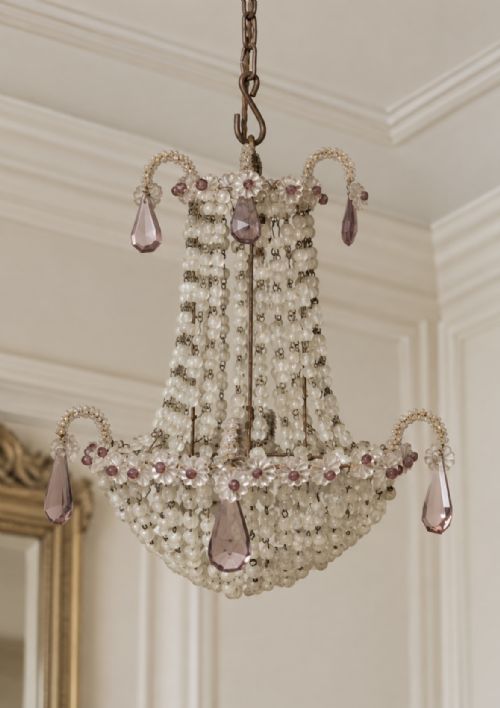
When searching for retro glass lighting, buyers encounter an array of wall lights, pendant lights, and chandeliers spanning the early twentieth century through the Art Deco period. These fixtures incorporate glass components paired with metal frameworks to deliver functional and decorative illumination.
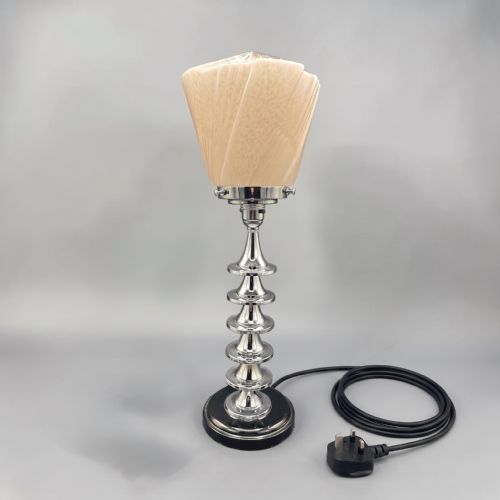
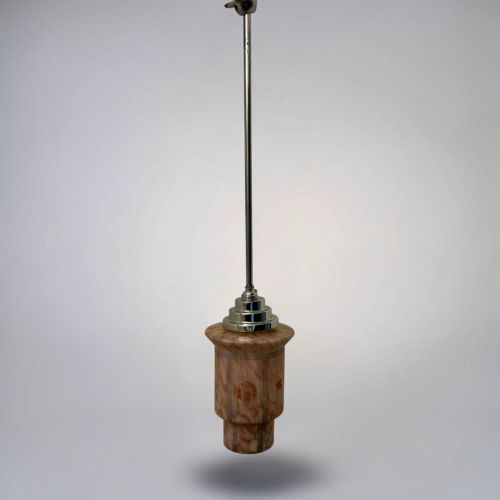
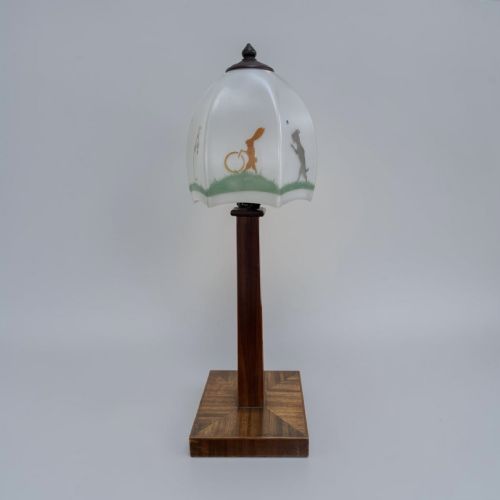
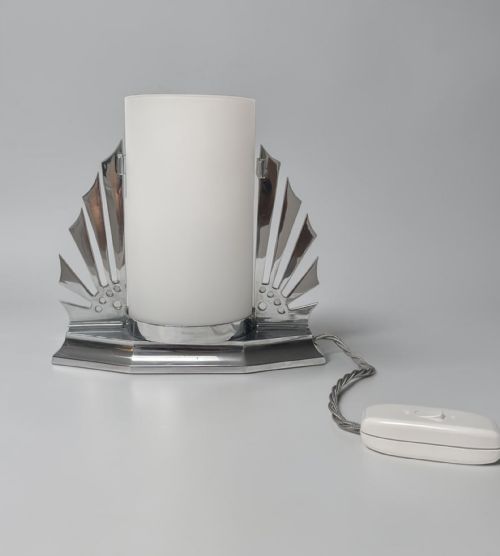
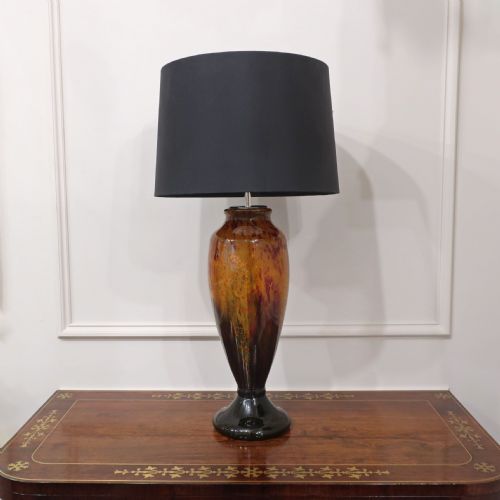
The selections most frequently met on this page include Art Deco pendant lights, wall sconces, and table lamps featuring mottled, crackle, or opaline glass. Common structural elements draw from industrial, mid-century, and Edwardian design traditions using brass and chrome mounts.
Materials and construction methods
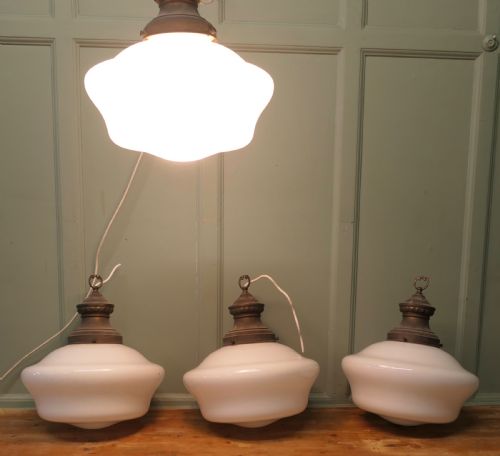
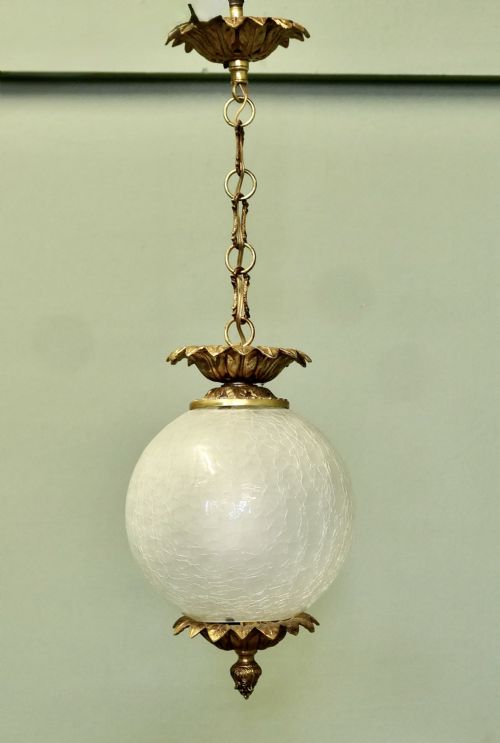
Makers utilised glass as the primary medium, shaping it into opaline, frosted, mottled, and crackle finishes for shades and globes. These glass elements diffuse light softly while exhibiting varied textures characteristic of period production techniques.
Frameworks rely heavily on brass and chrome, supplemented by copper, steel, and fabric components. Metal parts provide sturdy support structures for hanging pendants, wall sconces, and floor lamps.
Retro Glass Lighting Retail Price Guide 2026
Typical asking prices for retro glass lighting among the pieces listed under this phrase on Sellingantiques today, from the lower quarter to the upper quarter. They describe what is for sale here now, not the wider market.
Among the glass globes and polished chrome, a solitary fish auction bidder's number quietly holds its ground from 1930.
Judging the standard of execution
Quality rests upon the weight and clarity of the glass, where heavier opaline or mottled shades demonstrate superior substance compared to thin alternatives. The integrity of the glass surface, free from accidental inclusions, marks the division between standard and finer examples.
Metalwork execution distinguishes finer pieces through robust brass or chrome mountings that securely hold the glass without loose fittings. The precision of applied decoration, such as hand-painted details or structural joinery, separates ordinary output from high-grade manufacture.
Charles Schneider·Jefferson
The Retro Glass Lighting Glossary
- Opaline glass
- A milky, semi-translucent glass that diffuses light evenly across a room. It gained widespread popularity during the nineteenth and early twentieth centuries for domestic lighting.
- Pendant light
- A hanging light fixture suspended from the ceiling by a cord, chain, or metal rod. These fixtures serve as central illumination sources in various rooms.
- Art Deco
- A design style characterised by sleek geometric shapes, stylised motifs, and modern materials prevalent during the 1920s and 1930s. It heavily influences the profile of many period glass fixtures.
- Crackle glass
- Glass deliberately fractured during manufacturing while hot, then reheated and shaped to seal the surface. This technique produces a web-like texture across the shade.
- Wall sconce
- A light fixture fixed to a wall surface rather than suspended from a ceiling. They often direct illumination upwards or outwards using decorative glass shades.
Retro Glass Lighting: Frequently Asked Questions
How do I hang a heavy glass pendant?
Heavy glass pendants require secure ceiling joist attachment using appropriate hooks and brackets. Weight capacity must match the fixture to ensure safe suspension.
Professional electrical installation is recommended for vintage wiring to meet current safety standards and support the weight securely.
Can these vintage lights take modern LED bulbs?
Most vintage fittings accommodate modern LED bulbs provided the base size and wattage limits align with the original socket specifications. Low heat emission from LEDs helps protect older glass and fabric elements.
Verify the physical dimensions of the bulb to ensure it fits comfortably inside enclosed shades or globes.
How do I clean delicate period glass?
Clean delicate glass using warm water and a mild detergent applied with a soft cloth. Avoid abrasive sponges or harsh chemicals that can damage hand-painted details or etched surfaces.
Remove shades from the metal fixture before washing to prevent accidental drops or damage to mounting hardware.