


Retro Engagement Ring
A retro engagement ring brings together the distinctive character of mid-century design, old cut stones, and enduring precious metals.
Retro Engagement Ring
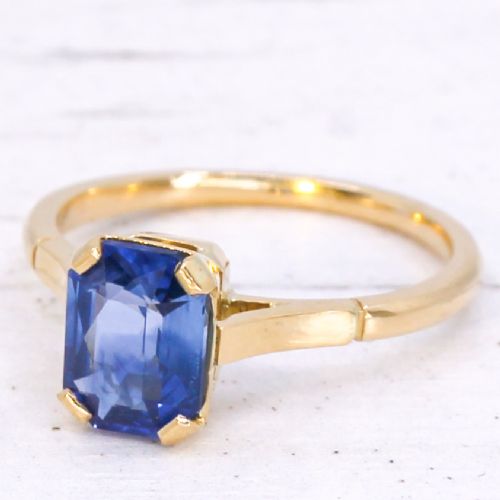
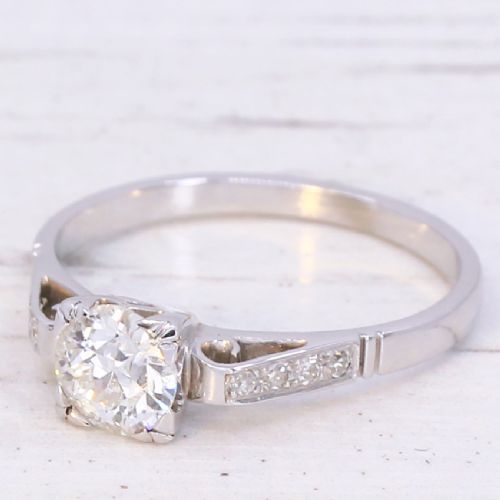
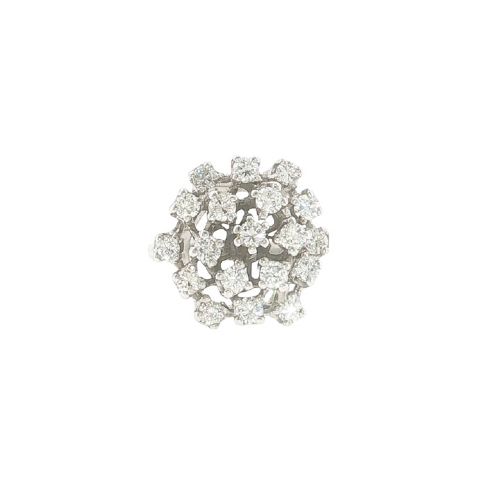
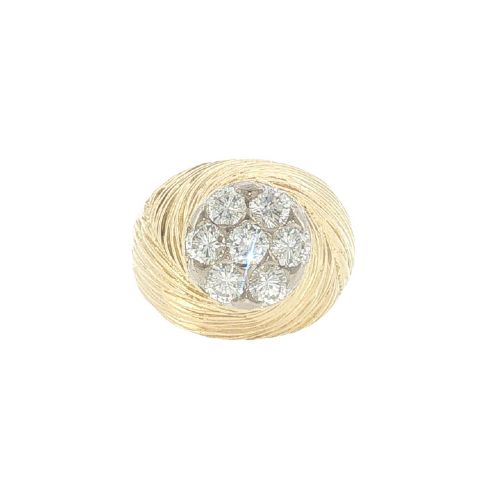
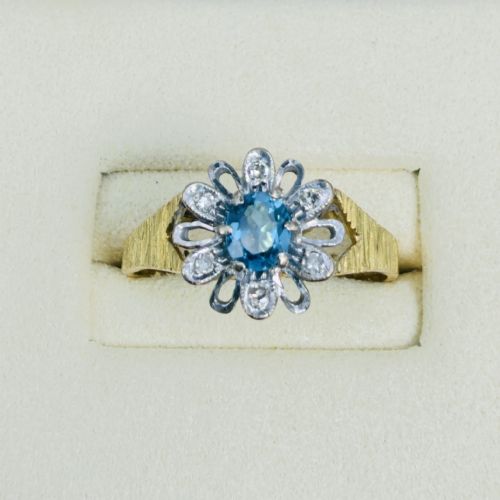
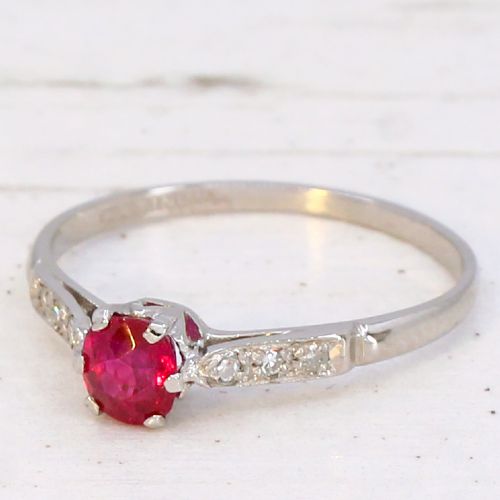
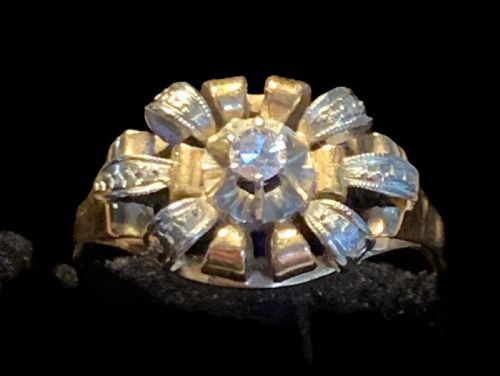
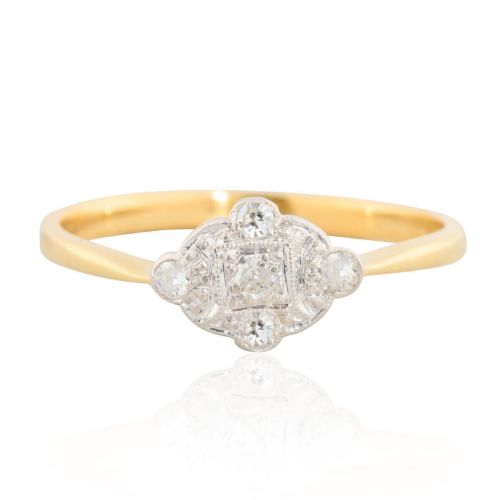
When you search for a retro engagement ring, you encounter pieces that span several decades, most frequently originating from the 1940s, 1950s, and 1960s. These items often take the form of diamond solitaires, sapphire clusters, and floral or bypass twist rings.
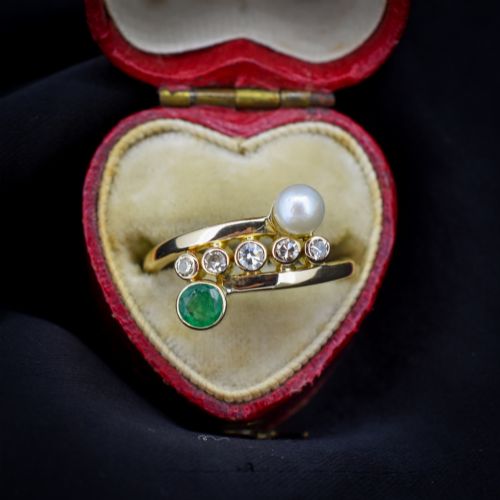
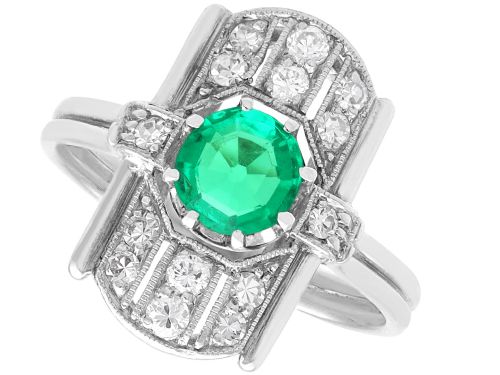
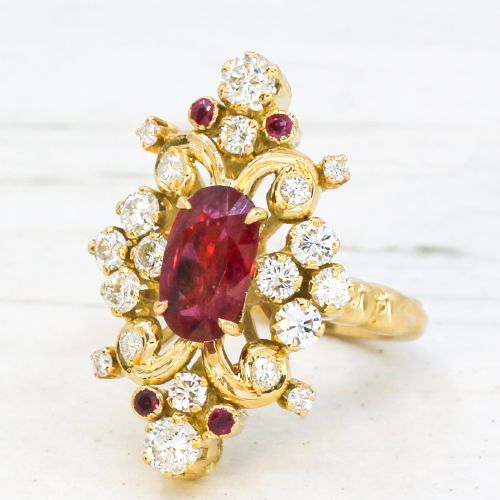
The selection includes designs associated with Art Deco, Mid-Century Modern, and 1940s Retro styles. Many of these pieces integrate secondary stones like emeralds, pearls, and rubies alongside central diamonds.
Origins stretch across various European workshops, with French and Italian pieces appearing alongside British examples. The configurations range from delicate Edwardian daisy clusters to substantial later cocktail and dress rings.
Materials and construction
Metals used in these rings predominantly include platinum and 18ct gold, available in yellow, white, and rose variations, alongside occasional 14ct gold components. Goldsmiths utilised these durable metals to construct secure settings for intricate cluster and solitaire arrangements.
Gemstone selection relies heavily on diamonds, often featuring old cuts, transitional cuts, and rose cuts that display distinctive facet patterns. Coloured gemstones such as Ceylon sapphires, Mogok and Mong Hsu rubies, and Colombian emeralds provide vibrant focal points.
Construction techniques involve detailed claw settings, bezel mounts, and multi-stone clusters that highlight the individual shape of each natural stone. Enamel accents and layered precious metals also appear in specific Art Deco and mid-century designs.
Some floral rings secretly double as gardens of platinum, holding captive emeralds, pearls, and old cut diamonds forever in bloom.
Distinguishing quality across pieces
The standard of a retro engagement ring depends heavily on the integration of its gemstones and the precision of the metalwork. Superior pieces display harmonious proportions between the central stone and its surrounding elements.
The clarity, colour, and cut of the primary diamond or sapphire significantly influence the overall standard. Natural, unheated rubies and certified Ceylon sapphires elevate a piece beyond standard commercial grades.
Preservation of the original setting and the crispness of the surrounding gold or platinum detailing indicate superior craftsmanship. The balance of the design, whether a floral cluster or a minimalist solitaire, determines the enduring appeal of the ring.
The Retro Engagement Ring Glossary
- Old cut
- A diamond cut style predating the modern brilliant, characterised by a smaller table, higher crown, and larger culet. This cut produces a softer, more atmospheric scintillation under candlelight.
- Transitional cut
- A diamond cutting style used during the evolution from old mine cuts to modern brilliants. These stones combine the deep pavilion of earlier cuts with the more symmetrical facet arrangement of later ones.
- Bypass ring
- A ring design where the shank wraps around the finger and overlaps itself rather than meeting in a continuous circle. This style often incorporates asymmetrical stone arrangements.
- Cluster ring
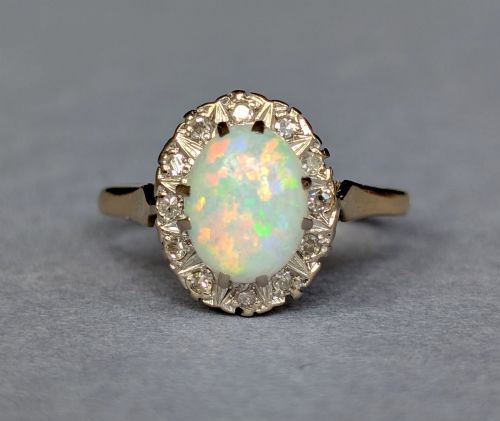
- A ring featuring a central gemstone encircled by a group of smaller stones, typically diamonds. This arrangement maximises visual impact and light reflection.
- Solitaire
- A ring setting designed to showcase a single prominent gemstone, most commonly a diamond. The mounting prioritises the elevation and security of the main stone.
Retro Engagement Ring: Frequently Asked Questions
What defines a retro engagement ring?
A retro engagement ring typically originates from the mid-twentieth century, encompassing styles from the 1940s, 1950s, and 1960s. These pieces often feature old cut diamonds, natural sapphires, and platinum or yellow gold settings.
The aesthetic moves away from strict Victorian formality towards bolder geometric lines, floral motifs, and sculptural cluster designs.
How do I care for vintage rings?
Care for vintage rings involves gentle cleaning with warm water, mild soap, and a soft brush to remove daily debris. Avoid harsh chemical dips, particularly if the ring contains softer stones like pearls or emeralds.
Regular inspection by a jeweller ensures that older claw settings and delicate platinum or gold mounts remain secure and intact.
Are old cut diamonds different?
Old cut diamonds differ from modern stones due to hand-cutting techniques that create larger facets and a deeper profile. These characteristics produce a distinctive, warmer glow rather than the pinpoint brilliance of modern cuts.
Each stone is unique because the proportions were adjusted by the cutter to maximise the weight and appearance of the rough crystal.
Can I wear these every day?
These rings can be worn daily provided they are matched with an appropriate lifestyle and given proper maintenance. Platinum and 18ct gold provide robust durability for continuous wear.
Items featuring pearls or emeralds require extra caution due to the softer nature of those specific materials compared to diamonds and sapphires.