

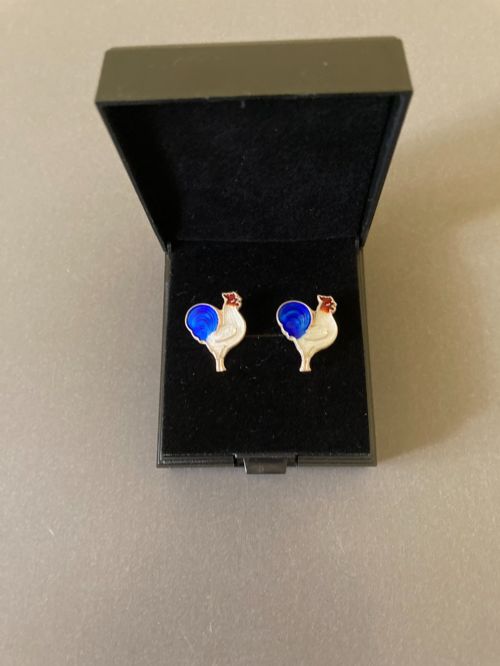
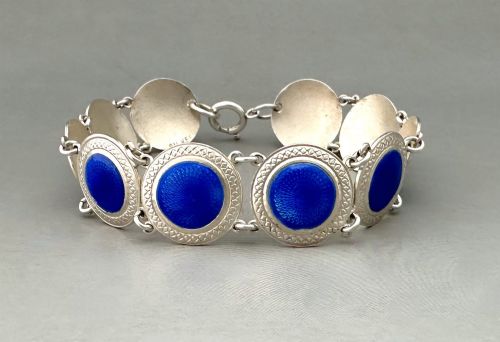
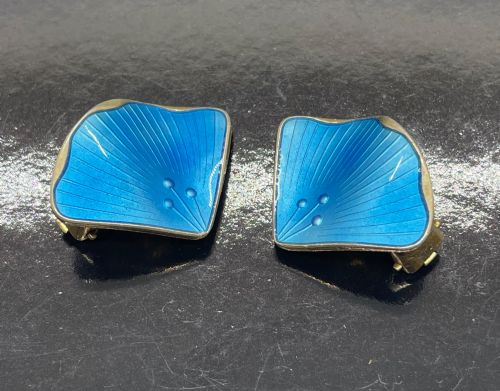
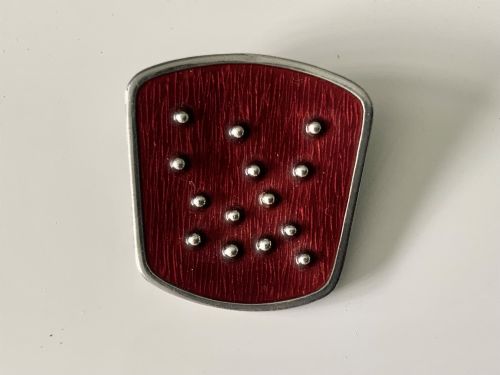







Retro Enamel Jewellery
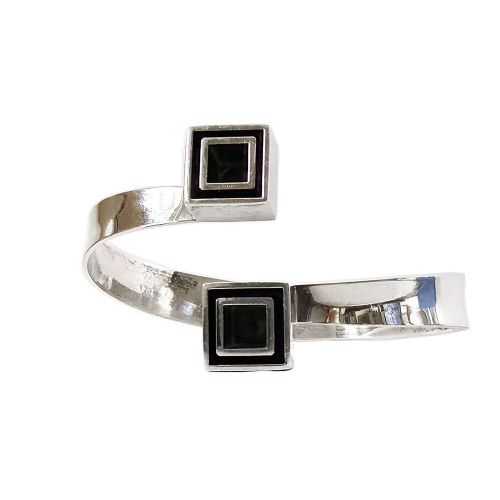
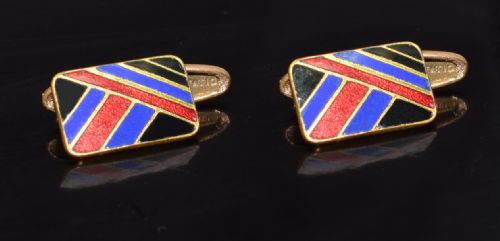
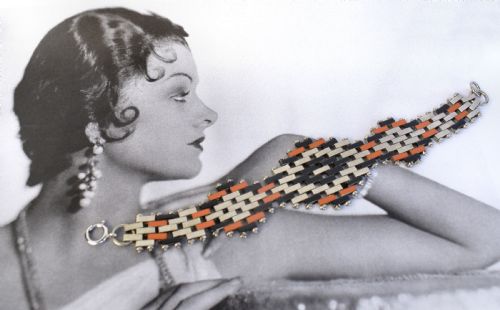
These retro enamel jewellery pieces combine bold mid-century palettes with geometric metalwork that brings serious character to any outfit.
Retro Enamel Jewellery
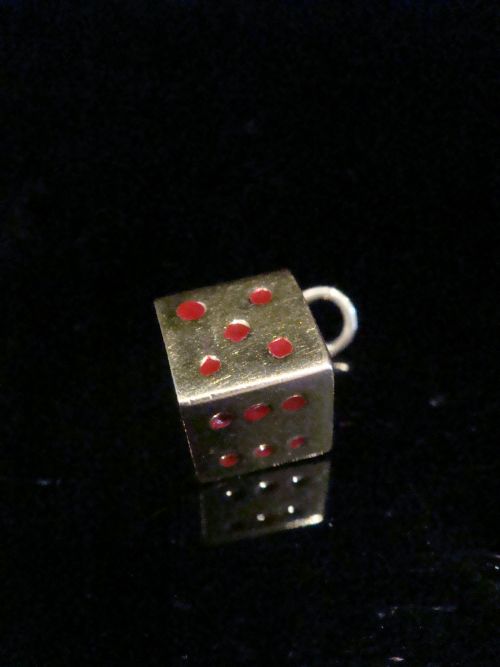
The objects take many forms, ranging from geometric bracelets and modernist earrings to detailed charms, rings, and brooches. Pieces originating from Scandinavian makers appear frequently alongside British and European designs from the 1930s and 1950s.
How they were made
Craftsmen utilised sterling silver, 9ct and 14ct yellow gold, and base metals as foundations for applying coloured vitreous enamel. Techniques involved fusing powdered glass to metal surfaces at high temperatures to create smooth, durable finishes.
Many items incorporate specialised methods such as guilloche engraving beneath translucent enamel layers to produce patterned light effects. Gemstones like diamonds and malachite are occasionally integrated alongside the enamelwork.
Retro Enamel Jewellery Retail Price Guide 2026
Typical asking prices for retro enamel jewellery among the pieces listed under this phrase on Sellingantiques today, from the lower quarter to the upper quarter. They describe what is for sale here now, not the wider market.
Someone fancied matching their tea break to their outfit with a large Smiths Sectric hospital wall clock listed alongside the wearable charms.
What varies in quality
The caliber of retro enamel jewellery depends heavily on the precision of the metalwork and the clarity of the fused enamel surface. Finer examples show crisp geometric lines and even colour distribution without cloudiness.
Maker attribution also influences the standing of a piece, particularly when signed by known workshops or associated with specific modernist design centres. The weight and grade of the precious metals used for the mountings further separate standard items from the best works.
Alton·Jakob Bengel
The Retro Enamel Jewellery Glossary
- Guilloche
- A decorative engraving technique where a precise repeating pattern is mechanical etched into metal. Translucent enamel is often layered over this work to create shimmering depth.
- Vitreous enamel
- A material made by fusing powdered glass to a substrate by firing. It results in a smooth, durable, and chemically resistant coloured coating on metal jewellery.
- Silver gilt
- Silver that has been coated with a thin layer of gold on its surface. This finish provides the warm tone of gold while utilising silver as the base material.
- Art Deco
- A design style characterised by sleek geometric shapes, streamlined forms, and modern industrial influences. It heavily shaped jewellery aesthetics through the 1920s and 1930s.
- Mid-Century Modern
- An architectural, interior, product and graphic design movement that generally describes mid-20th-century developments in modern design. It emphasises clean lines and functional organic shapes.
Retro Enamel Jewellery: Frequently Asked Questions
How do I date retro enamel jewellery?
Dating relies on stylistic clues, hallmarks, and the specific material combinations typical of decades like the 1930s or 1950s. Art Deco items usually display sharp geometric modernist lines, whereas mid-century pieces often favour organic Scandinavian motifs.
Examining maker's marks and closures can also narrow down the exact manufacturing window. Comparing the construction methods to known dated examples helps confirm the era.
What is guilloche enamel?
Guilloche enamel involves engraving a precise mechanical pattern into a metal base before applying translucent coloured enamel over the top. The underlying pattern shines through the glassy surface to create shifting light effects.
This technique was widely utilised during the Art Deco era for compacts, cufflinks, and brooches. It requires immense skill to ensure the enamel fires evenly across the engraved channels.
Are these pieces made of solid gold?
Many items utilise sterling silver or silver gilt, while others are cast in 9ct or 14ct yellow gold. The metal varies depending on the specific period and the workshop that produced the item.
Listings generally specify the exact metal composition, such as white gold or base metal, alongside any hallmarks found on the piece. Precious metal mountings often secure the vibrant enamel elements.
How should I care for enamel jewellery?
Enamel is essentially glass fused to metal, meaning it requires gentle handling to prevent chipping or scratching. Clean items softly using warm soapy water and a soft cloth, avoiding harsh chemical dips or ultrasonic cleaners.
Store pieces individually in soft pouches to protect the enamel surfaces from rubbing against other items. Taking them off before physical work prevents accidental impact damage.