
Retro Dress Jewellery
Bold retro dress jewellery brings together sculptural forms, heavy precious metals and saturated coloured gemstones from mid-century decades.
Retro Dress Jewellery
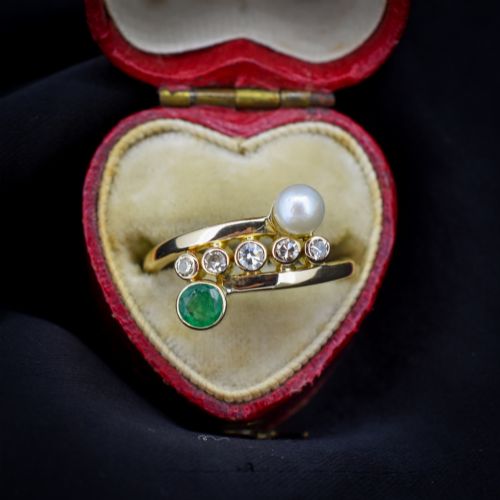
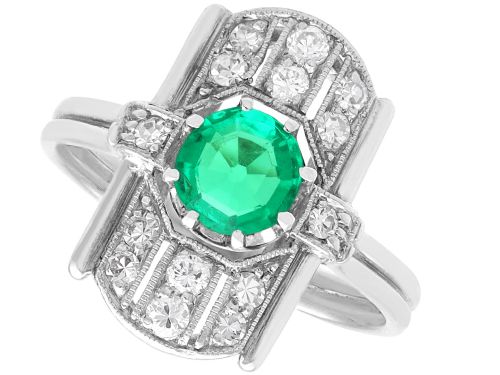
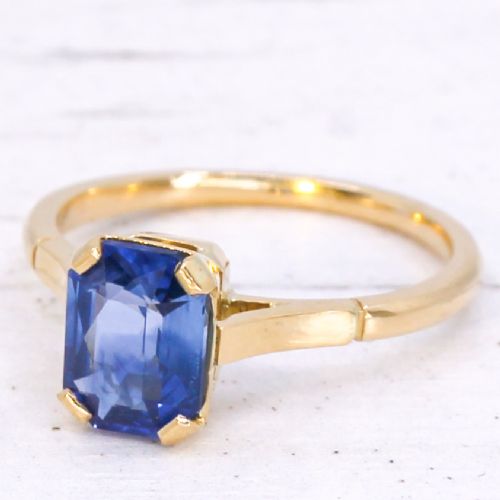
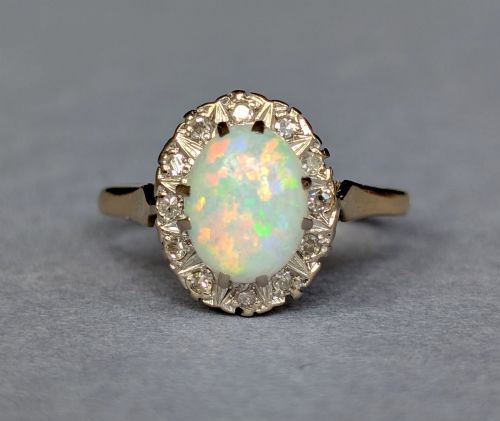
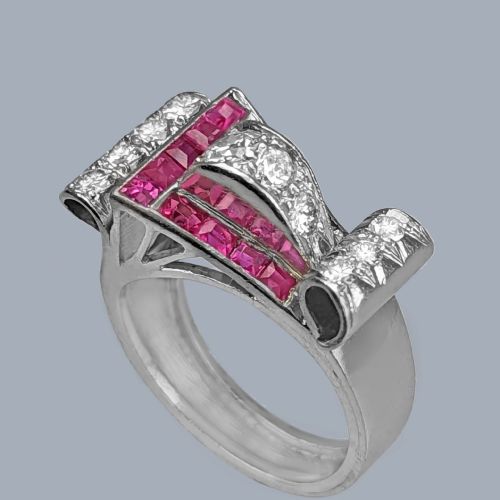
When searching for retro dress jewellery, buyers encounter statement rings, bold brooches and cocktail pieces shaped by mid-century modern and Art Deco aesthetics. These items reflect design periods spanning from the Edwardian era through the 1970s, concentrating heavily on the 1940s, 1950s and 1960s.
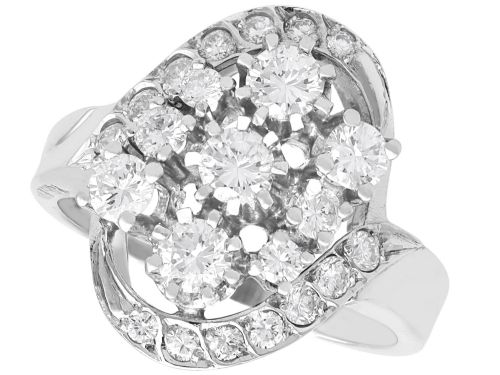
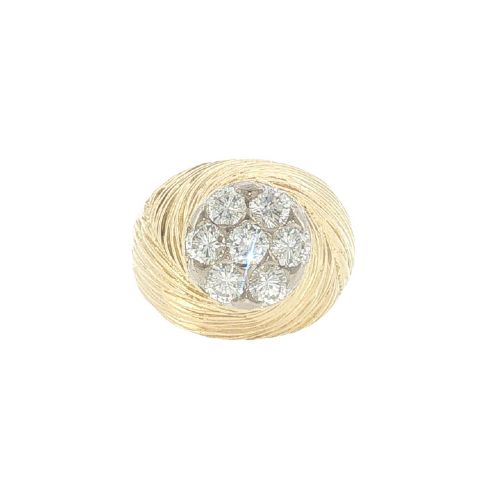
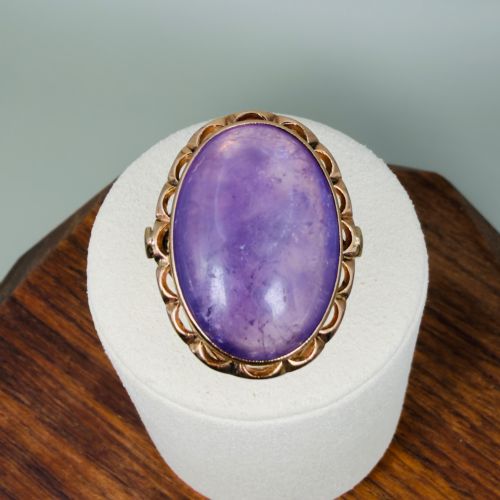
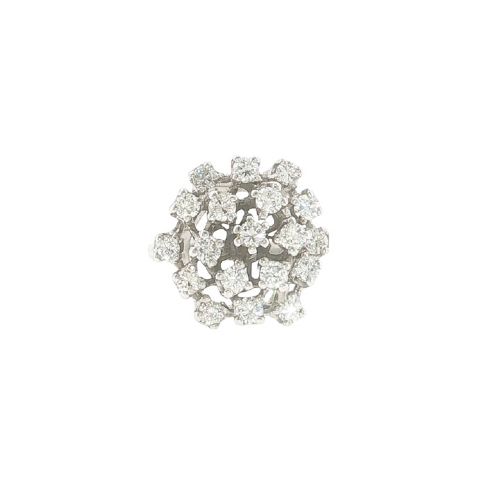
The most common forms on this page include cocktail rings, cluster rings and spray brooches set with substantial centre stones. Materials range widely across platinum, various karats of yellow, white and rose gold, and sterling silver.
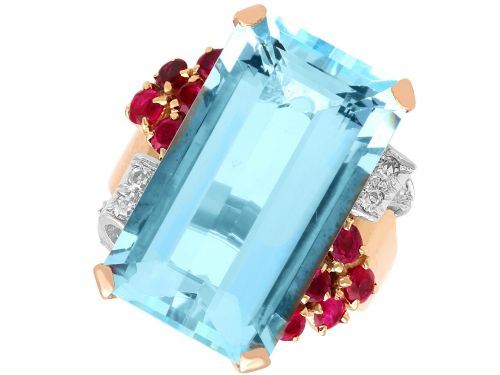
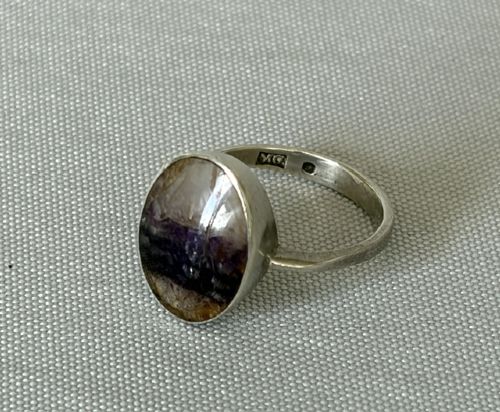
Gemstone choices define these pieces, pairing diamonds with aquamarines, rubies, sapphires, opals and turquoise. Works from specific makers such as Kutchinsky appear alongside unsigned studio pieces.
How they were made
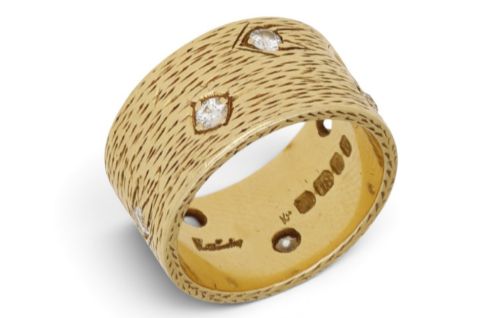
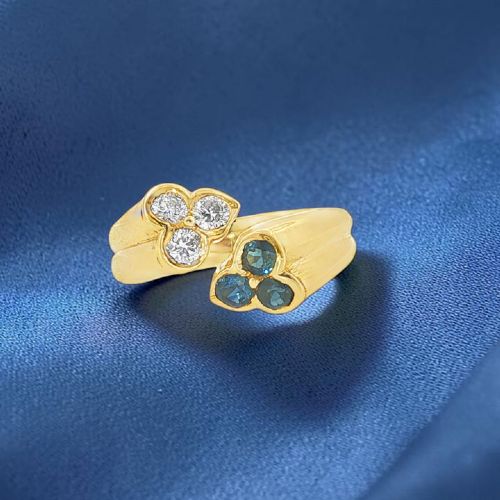
Goldsmiths utilised casting and hand-fabrication in 14ct and 18ct gold, platinum and silver to build three-dimensional architectural settings. Textured finishes, bypass twists and lattice wirework give these mounts their characteristic weight and presence.
Stone setting combined traditional claw and bezel techniques with flush and cluster arrangements to secure large aquamarines, amethysts, rubies and diamonds. Enamel work and silver gilt provide colourful surface decoration on specific brooches and rings.
Precious metals represented include platinum, sterling silver, 9ct gold, and 14ct and 18ct yellow, white, and rose gold.
What varies in quality
Quality separates through the weight of the precious metal and the saturation and cut of the primary gemstones, such as unheated Burmese rubies or large aquamarines. Heavier gold gram weights and robust structural settings indicate superior manufacture.
Signatures from established workshops add distinction to an item, as do precise hallmarks recording London assay office dates. The originality of the stone combinations and the complexity of the textured metalwork elevate individual pieces.
Kutchinsky
The Retro Dress Jewellery Glossary
- Cocktail ring
- A large, prominent ring featuring substantial gemstones designed to draw attention during evening wear. These pieces often utilise high settings and bold clusters.
- Bypass ring
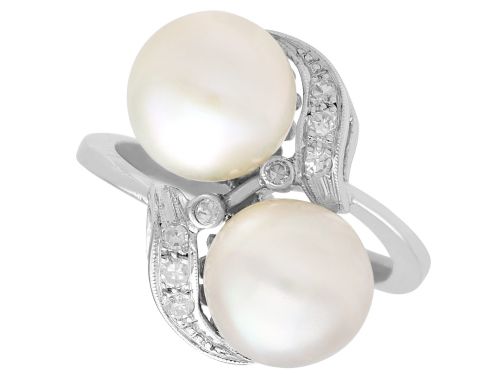
- A ring style where the shank wraps around the finger in a continuous curve or twist without meeting centrally. This design often highlights two opposing stones.
- Old cut diamond
- A precursor to the modern brilliant cut, featuring a smaller table, higher crown and larger culet. These stones display a distinctive pattern of light under candlelight.
- Kunzite
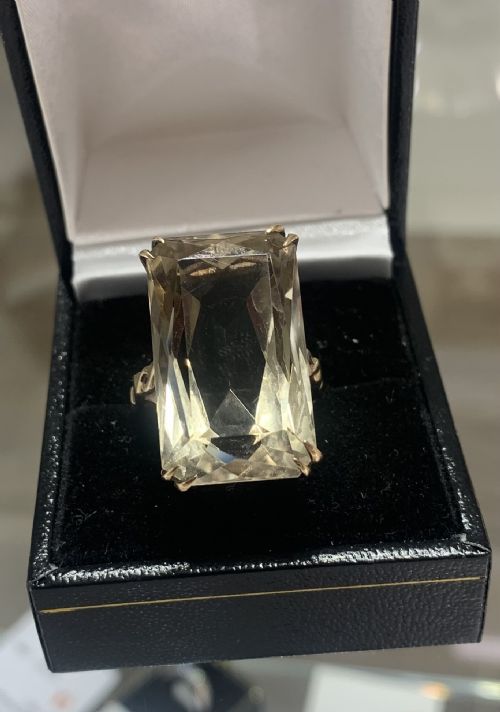
- A pale pink to lilac transparent gemstone variety of spodumene. It appears frequently in mid-century tank-style cocktail rings.
Retro Dress Jewellery: Frequently Asked Questions
What defines a retro cocktail ring?
Retro cocktail rings feature oversized centre stones, heavy gold or platinum settings, and sculptural mid-century styling designed for evening wear.
These pieces often combine diamonds with large coloured gems like aquamarines, opals or amethysts in high-profile cluster or tank mounts.
How do I date a gold dress ring?
Dating relies on maker marks, London assay office hallmarks, and stylistic indicators such as Art Deco geometric lines or 1970s modernist textures.
Examining the metal alloy colour, such as rose gold or white gold, alongside the gemstone cuts also helps narrow the period.
Are these pieces suitable for daily wear?
Many sturdy 18ct gold and platinum rings suit regular wear, provided the settings and stone security receive routine professional checks.
More delicate pieces featuring softer materials like turquoise, opal or enamel require careful handling to prevent surface damage.
What is a spray brooch?
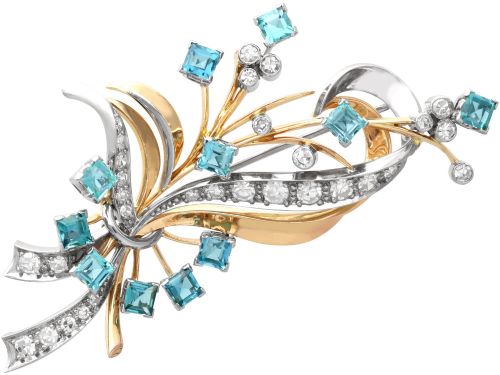
A spray brooch is a pin designed in the shape of a floral bouquet or botanical spray, spreading outward from a central cluster.
Mid-century versions frequently pair textured yellow gold or palladium stems with scattered diamonds and coloured gemstone blossoms.