







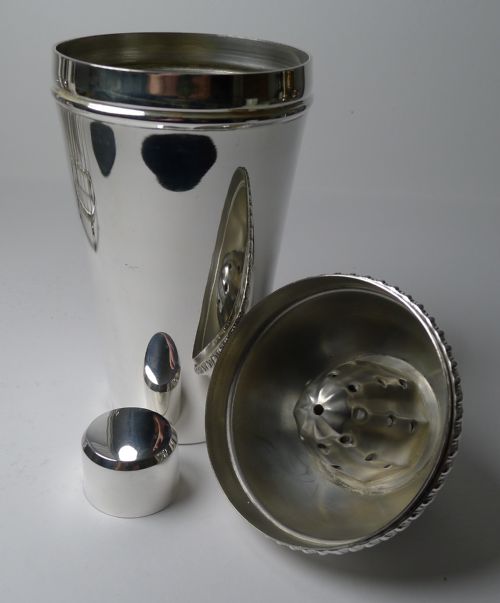

Retro Cocktail Bar
A retro cocktail bar setup brings tangible period character to modern entertaining through distinctive drinks cabinets, trolleys and shakers.
Retro Cocktail Bar
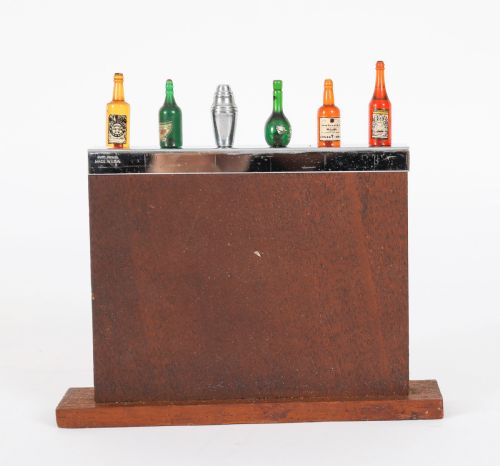
A retro cocktail bar grouping encompasses items associated with the service of mixed drinks, spanning drinks cabinets, trolleys, shakers, and novelty stick sets. These objects originate predominantly from the 1920s, 1930s, and 1940s, alongside select mid-century pieces from the 1960s.
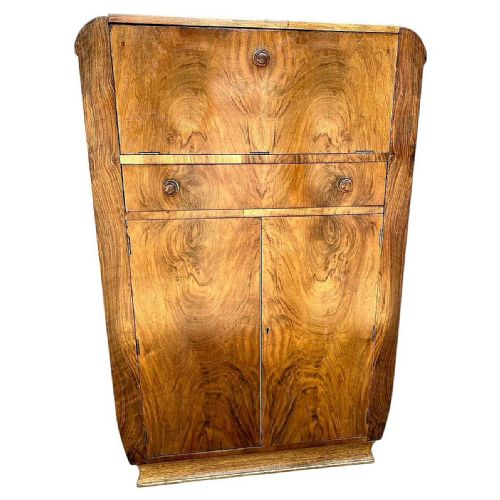
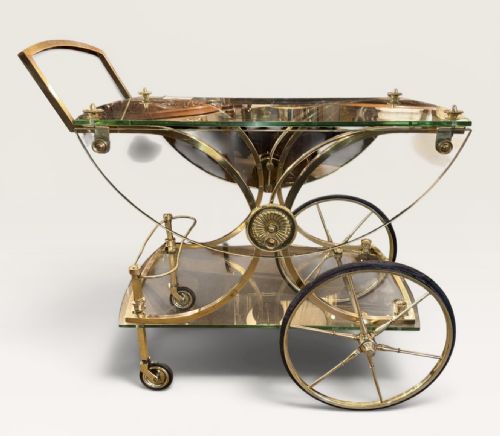
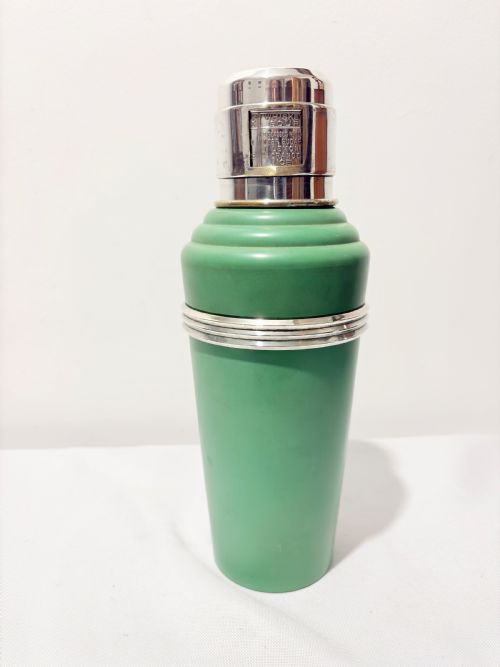
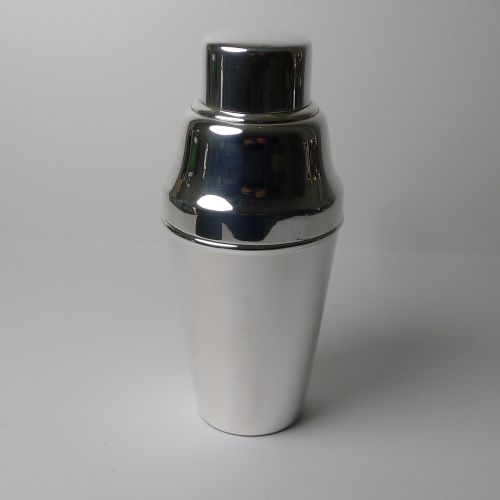
The most common forms encountered within this category are silver-plated cocktail shakers and wheeled drinks trolleys. Cabinets fashioned from walnut and mahogany also feature frequently, offering enclosed storage for bottles and glassware.
Stylistic influences range from classic Art Deco and modernist designs to Chippendale revival and European modernism. French and English workshops dominate the origins of these pieces, alongside Danish and Italian examples.
Materials and construction methods
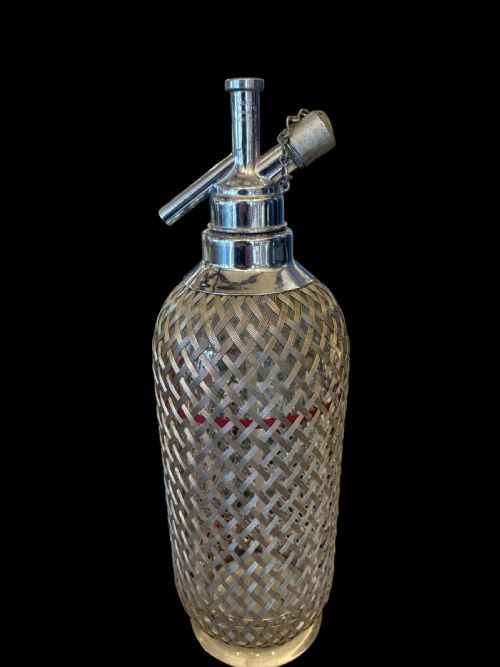
Metalwork relies heavily on silver plate, chrome, brass, aluminium, and electroplated nickel silver, utilised extensively for shakers, trays, and trolley frames. Glass elements, including cobalt blue mirror glass, combine with these metals for surfaces and containers.
Cabinetry and trolleys employ woods such as figured walnut, mahogany, beech, and cane bindings. Bakelite appears widely for handles, fittings, and novelty cocktail stick sets, marking the technological shift towards early synthetic materials.
Retro Cocktail Bar Retail Price Guide 2026
Typical asking prices for retro cocktail bar among the pieces listed under this phrase on Sellingantiques today, from the lower quarter to the upper quarter. They describe what is for sale here now, not the wider market.
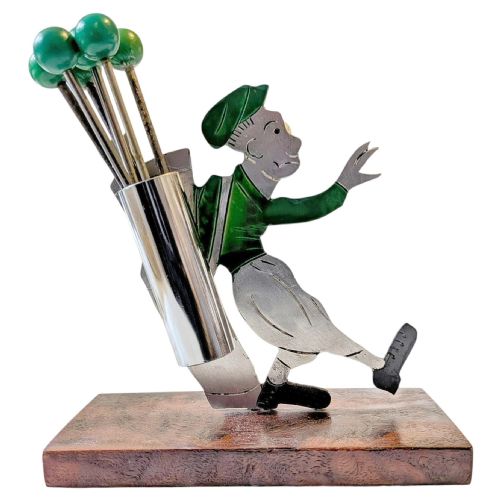
Serve your martinis alongside a comical golfer man or Charlie Chaplin holding your cocktail sticks.
Distinguishing quality across pieces
Quality reveals itself in the integrity of the materials and the precision of the construction, such as the weight of silver plating on a shaker or the solidity of a walnut cabinet frame. Finer examples display robust joinery in wood and unblemished plating on metalwork.
Design ambition separates standard utilitarian items from exceptional pieces, evident in the sculptural quality of novelty figures and the sophistication of modernist chrome trolley frames.
Sudre·J. B. Chatterley & Sons·James Dixon & Sons·Lusty of Leicester·William Suckling·C S Green & Co·Reno Wahl Iversen·Dyrlund·Gaskell & Chambers·Lutz & Weiss
The Retro Cocktail Bar Glossary
- Barware
- Items utilised in the preparation and serving of drinks. This encompasses shakers, trays, and accessory sets.
- Bakelite
- An early form of plastic frequently utilised for handles and decorative elements on mid-century bar accessories.
- Hostess trolley
- A wheeled serving cart designed for transporting drinks and glassware between rooms. These feature tiers in wood, glass, or metal.
- Cocktail shaker
- A vessel employed to mix drinks by shaking, typically fitted with a built-in strainer and cap. Many examples incorporate silver plating over metal bases.
Retro Cocktail Bar: Frequently Asked Questions
What is a retro cocktail bar cabinet?
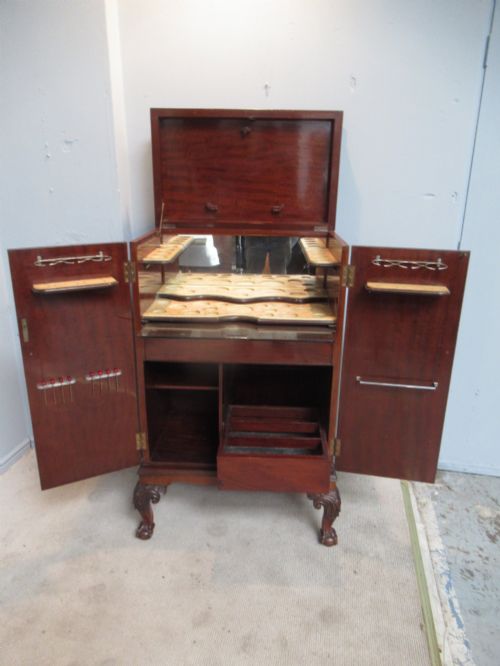
A retro cocktail bar cabinet is a dedicated piece of furniture designed to house bottles, shakers, and glassware for home entertaining. These pieces date primarily from the 1930s and use hardwoods like walnut and mahogany.
Inside, you typically find specialised shelving and mirrored surfaces intended for serving drinks. They provide enclosed storage that keeps barware neatly organised when not in use.
How do I use a drinks trolley?
A drinks trolley serves as a mobile surface for displaying and transporting bottles, glasses, and bar accessories during gatherings. The inclusion of wheels allows you to move your bar setup between rooms easily.
Most trolleys feature two or three tiers constructed from glass, wood, or metal. They function both as practical servers and as decorative display furniture in a living space.
How can I tell Art Deco barware apart?
Art Deco barware is characterised by geometric forms, clean lines, and a combination of modern and traditional materials. Shakers and trolleys from this movement often utilise chrome, silver plate, and Bakelite.
Look for streamlined silhouettes and stylized motifs that reflect 1930s design principles. These objects emphasise functional elegance alongside decorative appeal.
What materials are common in vintage shakers?
Vintage shakers are predominantly constructed from silver plate over a metal base, sometimes utilising electroplated nickel silver. Chrome and aluminium also appear frequently on mid-century examples.
Details like handles and lids often incorporate Bakelite or glass. Some specialised shakers even feature integrated mechanisms such as built-in lemon squeezers or rolling recipe mixers.