

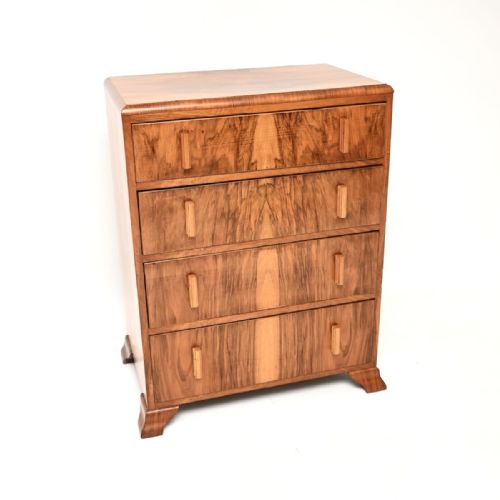


Retro Chest of Drawers
A retro chest of drawers brings distinct mid-century or early twentieth-century character to a room while offering practical storage.
Retro Chest of Drawers
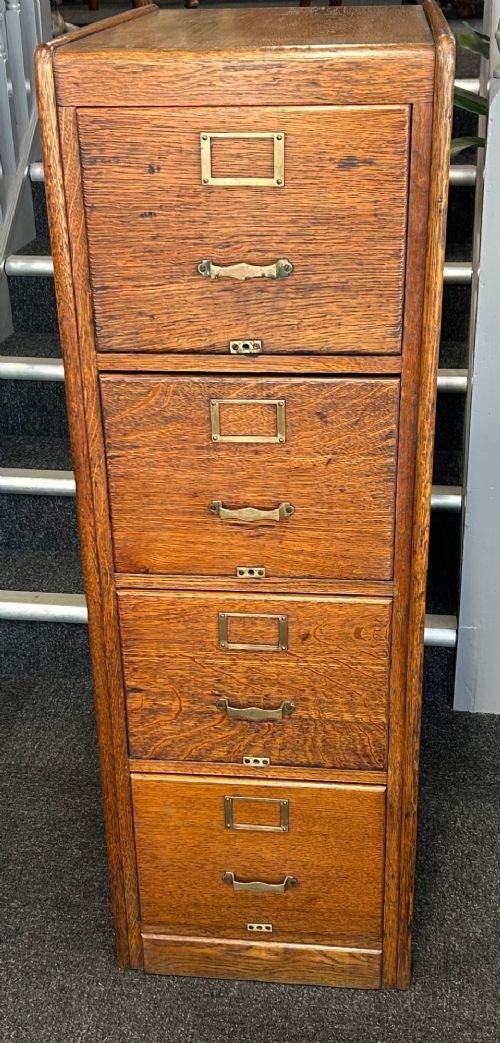
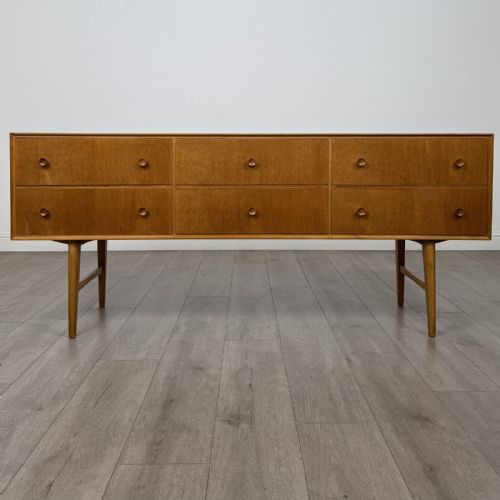
When you search for a retro chest of drawers, you are looking at storage furniture spanning the Edwardian period up to the nineteen-thirties. These pieces include vertical filing cabinets, sideboards, plan chests, and dressing chests alongside conventional drawer configurations.
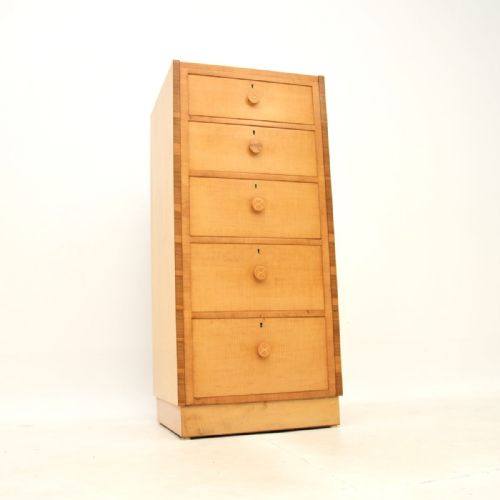
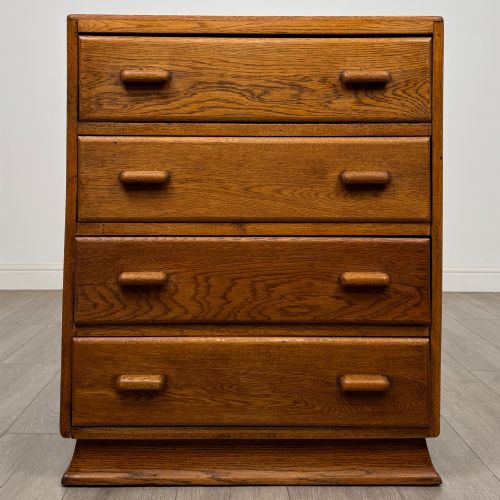
The versions you are most likely to meet on this page lean heavily towards early twentieth-century commercial designs and Art Deco styles. Oak and walnut predominate, often featuring veneer work or original wooden handles.
Origins range from standard domestic chests to specialised haberdashery display cases and sewing tables adapted for modern storage. Each piece demonstrates the functional design priorities of its specific decade.
How they were made
Construction relies on solid timbers like oak alongside figured walnut and sycamore veneers applied to core woods. Makers utilised brass and glass as secondary materials for handles, glazing, and display elements.
Cabinetmakers combined traditional joinery with the emerging commercial manufacturing techniques of the early twentieth century. Surfaces were finished to highlight the natural grain of oak and walnut, particularly in Art Deco examples.
Retro Chest of Drawers Retail Price Guide 2026
Typical asking prices for retro chest of drawers among the pieces listed under this phrase on Sellingantiques today, from the lower quarter to the upper quarter. They describe what is for sale here now, not the wider market.
Need to store your sewing supplies? The inventory includes a dedicated sewing cottons display case.
What varies in quality
Quality in these pieces rests primarily on the choice of surface timbers and the precision of the veneer work. Figured walnut and sycamore show a higher degree of decorative ambition than standard utility oak.
The integrity of the original hardware, such as wooden handles or metal fittings, distinguishes a superior example from a modified one. Unusual configurations, such as specialised filing or dressing mechanisms, also elevate the standard of manufacture.
Hille·Chadwick
The Retro Chest of Drawers Glossary
- Art Deco
- A design style characterised by sleek geometric shapes and streamlined forms popular during the nineteen-thirties. It often employs contrasting veneers like walnut and sycamore.
- Veneer
- A thin layer of superior wood glued to a base panel to provide a decorative surface. Figured walnut veneer is a prominent example seen in these listings.
- Edwardian
- The period spanning the reign of King Edward VII, noted here for traditional oak construction and original wooden handles. Furniture from this era balances practicality with domestic comfort.
- Plan chest
- A wide, shallow set of drawers originally designed for storing architectural plans or artwork. These provide distinctive proportions compared to standard vertical chests.
- Haberdashery cabinet
- A display unit featuring multiple drawers, often with glass panels, used originally in shops. They offer exceptional visibility and storage for smaller items.
Retro Chest of Drawers: Frequently Asked Questions
What defines a retro chest of drawers?
These pieces originate from periods including nineteen-thirty, nineteen-twenty, nineteen-hundred, and the Edwardian era. They encompass styles such as Art Deco and early twentieth-century commercial designs.
Materials range from solid oak and walnut to decorative veneers, paired with brass or glass elements. Forms vary from traditional chests to vertical filing cabinets and plan chests.
How do I identify an Art Deco chest?
Art Deco pieces from the nineteen-thirties typically feature figured walnut or sycamore veneers. Their lines are cleaner and more geometric than earlier Edwardian furniture.
Makers utilised these exotic woods and streamlined forms to create a distinct modern aesthetic. Original hardware often complements the precise geometry of the cabinet.
What is the difference between oak and walnut models?
Oak models frequently appear in vintage light oak or plan chest formats, reflecting robust commercial or domestic utility. They emphasise strong grain patterns and sturdy construction.
Walnut models, particularly those from the nineteen-thirties, tend to showcase decorative veneer work. This creates a smoother, more polished appearance suited to reception rooms and bedrooms.
How were alternative forms like plan chests used?
Plan chests and vertical filing cabinets were originally built for offices and workshops to store large documents upright or flat. Their shallow, wide drawers provide unique proportions for modern homes.
Haberdashery cases served a similar commercial function for displaying small goods in retail settings. Today, these pieces offer specialised storage solutions for contemporary living spaces.