



Retro Ceiling Fixture
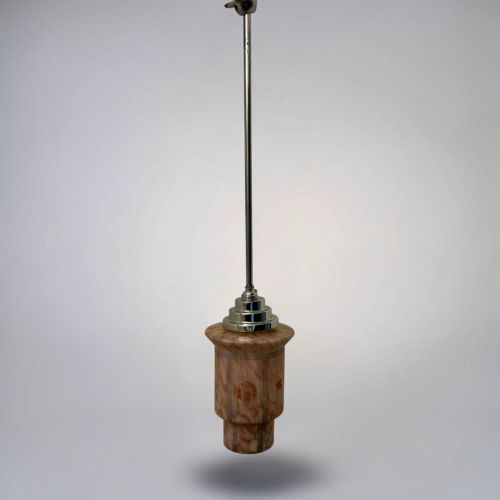
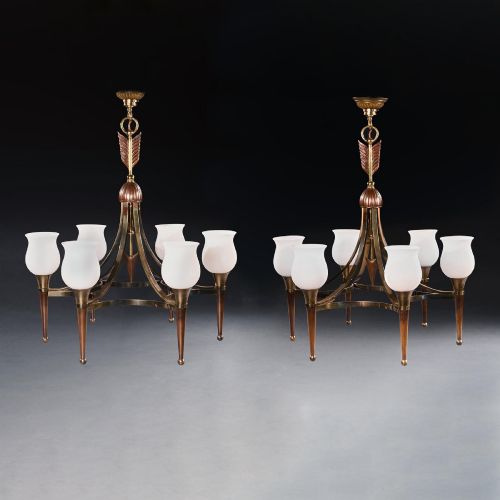
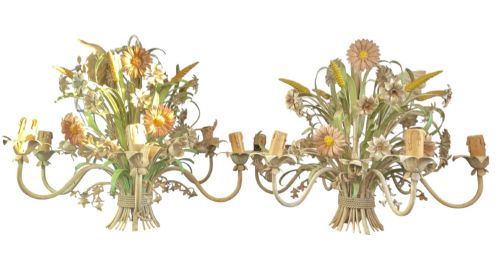
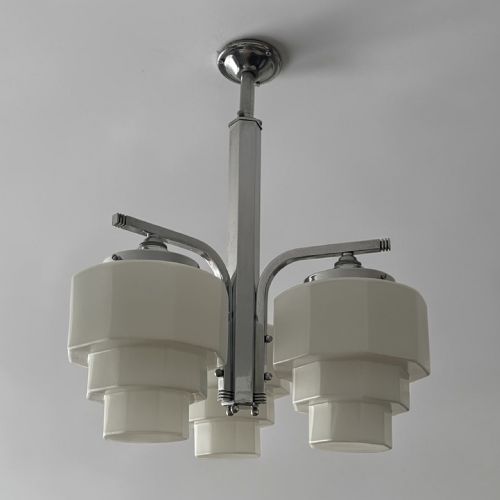
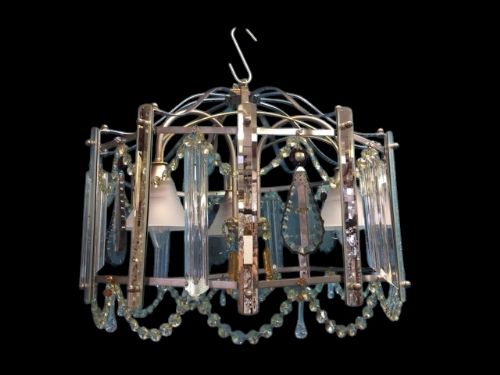
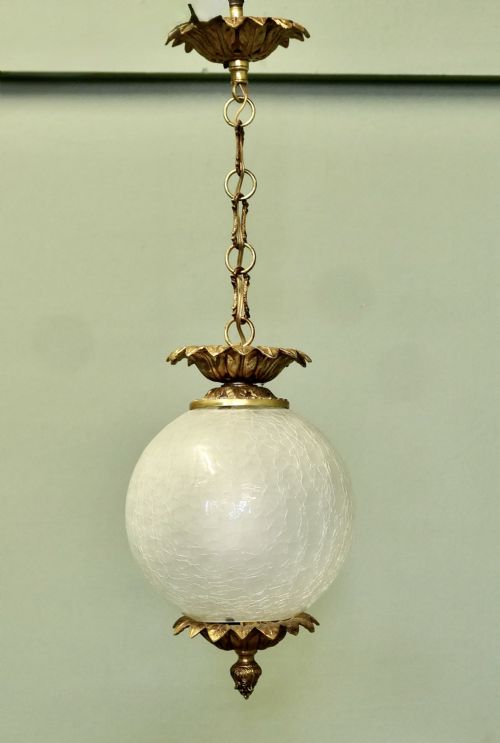
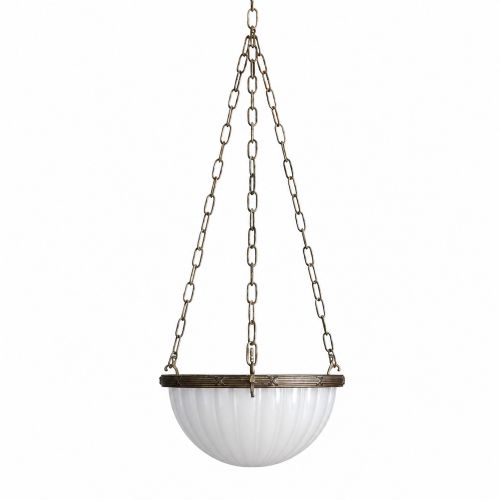
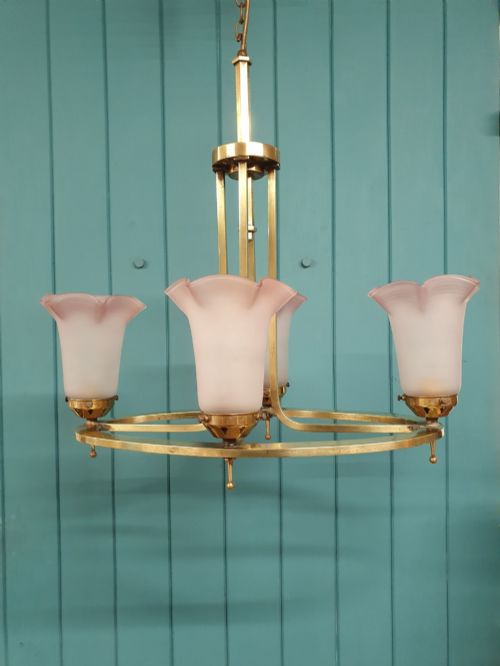
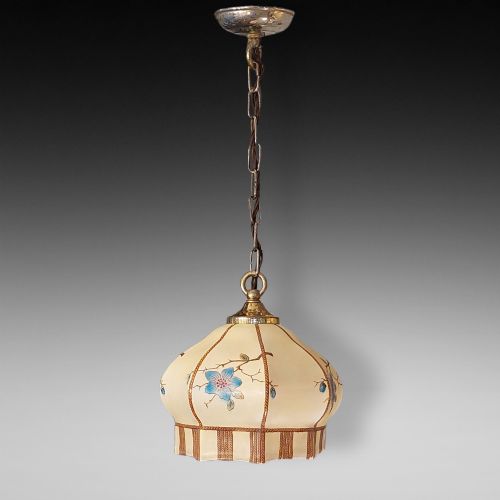
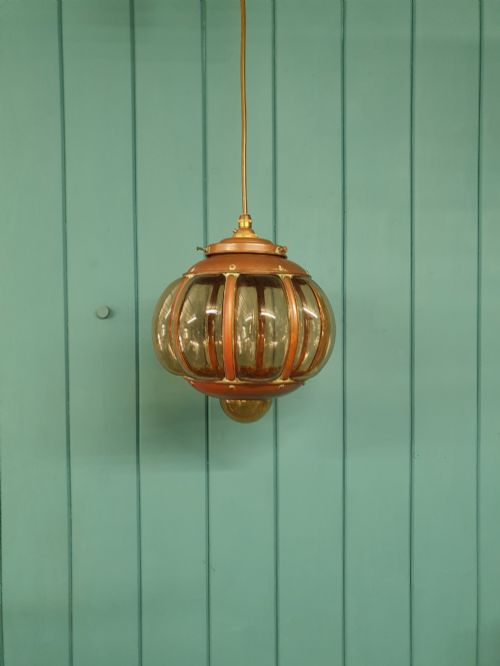
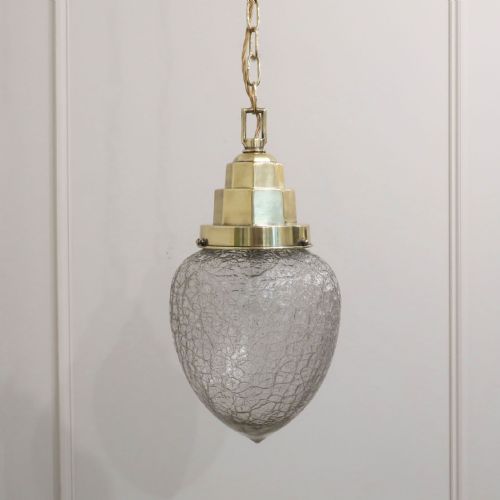
These retro ceiling fixture examples span Edwardian, 19th Century, and 1930s periods, bringing original illumination and period character to a room.
Retro Ceiling Fixture
A retro ceiling fixture encompasses pendant lights, chandeliers, ceiling lights, lampshades, and ceiling lighting spanning the 19th Century, Edwardian era, 1910, 1920, and 1930.
The most common examples on this page are Art Deco pieces from the 1920s and 1930s, featuring glass globes, shades, and chandeliers.
Forms range from simple glass shades and nautical pendants to multi-light brass chandeliers and French copper designs.
Materials and construction methods
Metal components utilise brass, copper, chrome, metal, and gilt metal to form galleries, frames, and fittings.
Glass elements include frosted glass, opaline glass, crackle glass, smoked glass, pink crimped glass, and hand painted glass shades.
Construction techniques combine cast or spun metals with blown, moulded, or pressed glass shades, occasionally incorporating enamel finishes and beaded glass details.
Retro Ceiling Fixture Retail Price Guide 2026
Typical asking prices for retro ceiling fixture among the pieces listed under this phrase on Sellingantiques today, from the lower quarter to the upper quarter. They describe what is for sale here now, not the wider market.
Listings feature items from the 19th Century, Edwardian period, 1910, 1920, and 1930.
Judging quality in a retro ceiling fixture
Quality rests in the weight and finish of the metalwork, distinguishing heavy cast brass and copper from lighter sheet metal.
Glass quality appears in the depth of colour, consistency of opaline or frosted surfaces, and the crispness of moulded details such as fish scale patterns or clam shell shapes.
Design complexity separates standard utility fittings from elaborate creations featuring multi-light configurations, prism drops, or named designer glass.
Jean Gauthier·Ezanville Ezan
The Retro Ceiling Fixture Glossary
- Art Deco
- A design style from the 1920s and 1930s characterised by geometric forms, stylised motifs, and sleek lines. It heavily influences the chandeliers and pendant lights of this period.
- Opaline Glass
- A milky, semi-translucent glass that diffuses light softly. It appears frequently in pear-shaped and fish-scale pendant lights.
- Gallery
- The metal collar or rim that holds a glass lampshade in place. These are often made of brass, chrome, or copper.
- Chandelier
- A branched ceiling lighting fixture designed to hold multiple bulbs or light sources. Examples here include brass, chrome, and glass drop configurations.
Retro Ceiling Fixture: Frequently Asked Questions
How do I clean antique glass shades?
Remove the glass shade from the metal gallery carefully. Wash it gently in warm soapy water using a mild detergent.
Dry the glass thoroughly with a soft cloth before reattaching it to the fixture. Avoid harsh chemical cleaners on hand-painted or tinted surfaces.
Are these lights compatible with modern wiring?
Many vintage ceiling fixtures retain their original metal galleries and lamp holders. A qualified electrician should inspect and update the internal wiring to meet current safety standards.
Rewiring ensures the fixture can safely handle modern electrical currents while preserving the external antique appearance.
How do I date an Art Deco chandelier?
Art Deco lighting typically dates from the 1920s to the 1930s. Look for geometric patterns, stylised glass motifs, and the use of chrome or brass.
Maker signatures or specific glass treatments can also narrow down the production decade.
Where should I hang a pendant light?
Pendant lights suit hallways, kitchens, and dining areas where direct downward illumination is required. Ensure you hang the fixture at a height that clears head traffic while providing balanced room lighting.
Consider the scale of the room when selecting between compact nautical pendants and larger chandeliers.