



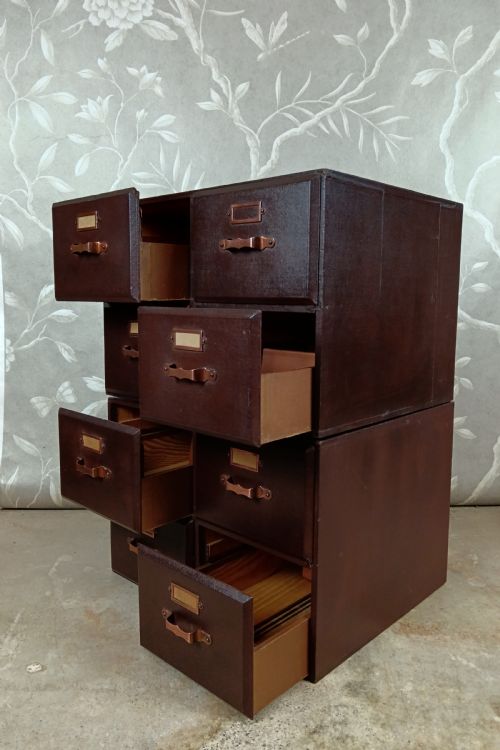

Retro Brown Cabinet
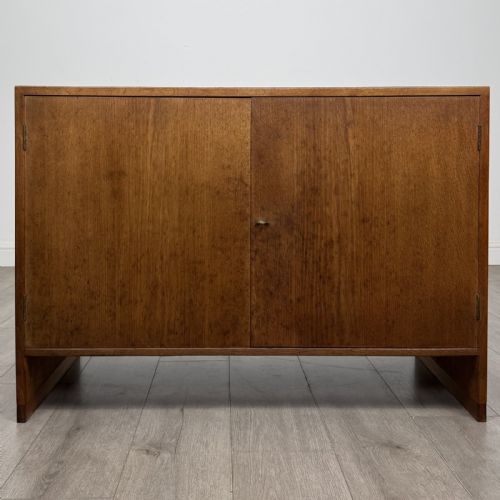
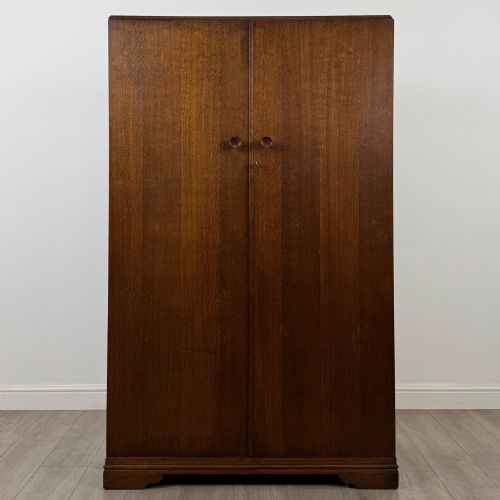
A retro brown cabinet brings rich timber tones and functional storage into a room, spanning Edwardian utility and Art Deco design.
Retro Brown Cabinet
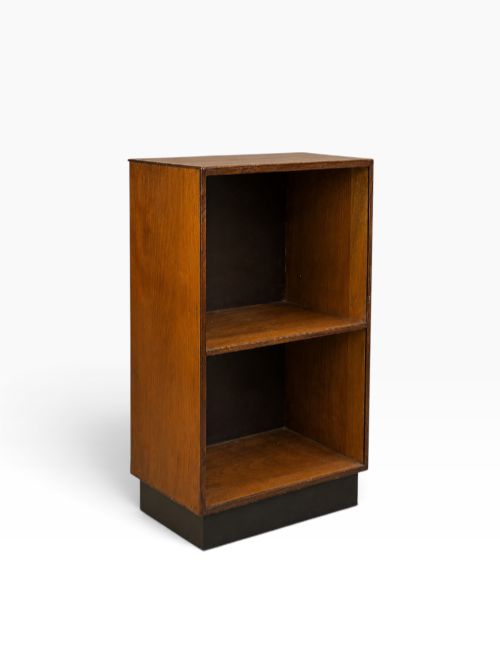
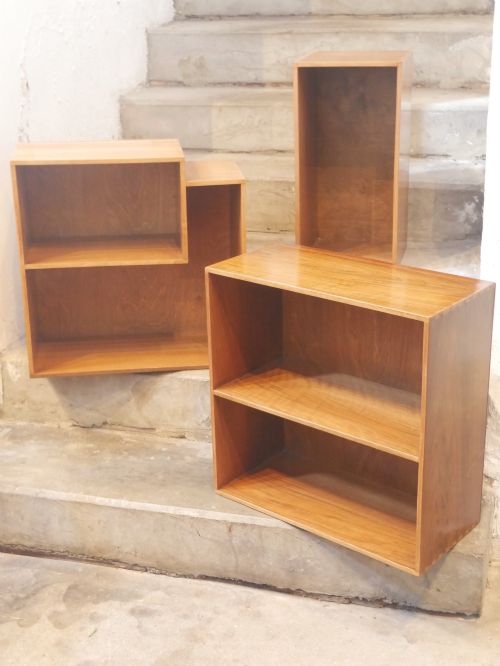
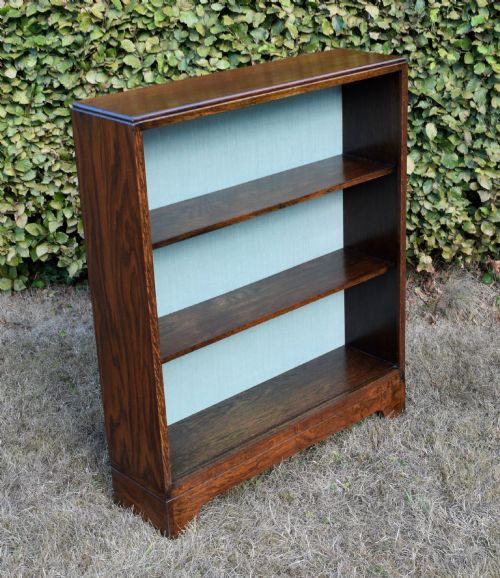
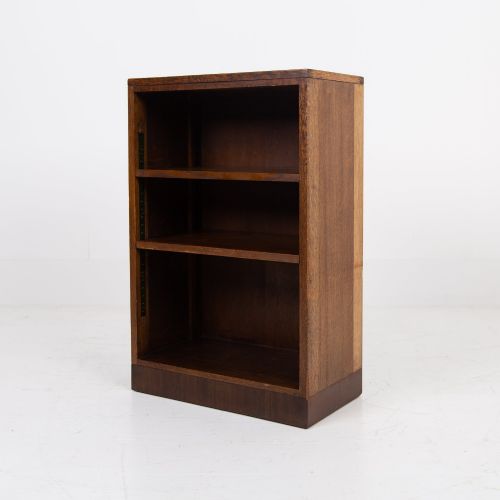
When you search for a retro brown cabinet, you enter a diverse field of vintage storage ranging from early twentieth-century oak filing units to figured walnut cocktail pieces. These items serve multiple domestic and office functions, appearing primarily as bookcases, display cabinets, and fitted wardrobes across this selection.
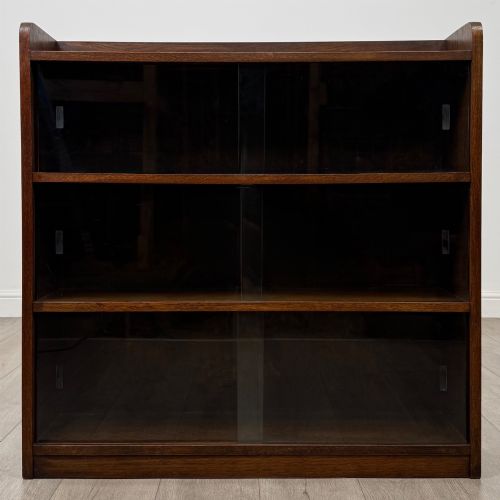
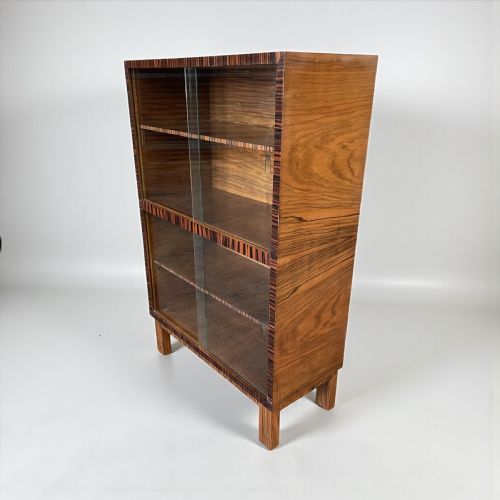
The pieces you meet most often on this page date from the 1920s and 1930s, reflecting the enduring popularity of oak and walnut timbers. Whether configured with sliding glass doors, tambour fronts, or tiered shelving, each item demonstrates the practical engineering of its period.
Originating from British workshops and international makers, these brown cabinets bridge traditional craftsmanship with modernist styling. Buyers select them to anchor a room with warm wood grain while satisfying modern organizational needs.
Materials and construction methods
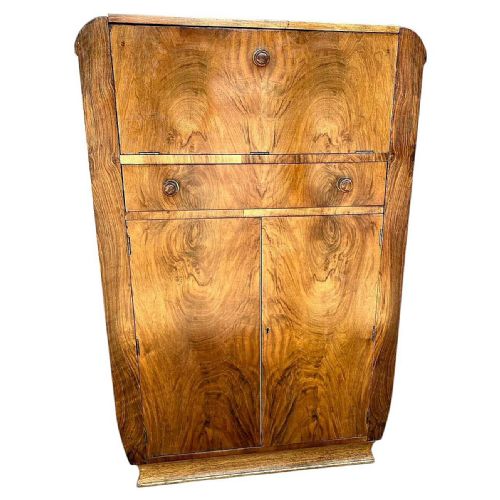
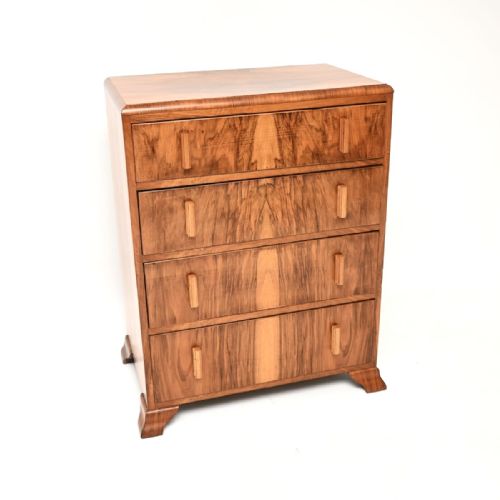
Construction relies heavily on solid oak, mahogany, and walnut, frequently enhanced by figured walnut veneer to create striking exterior patterns. Workshops employed sturdy framing techniques, integrating brass handles and glass panels to complete the functional design.
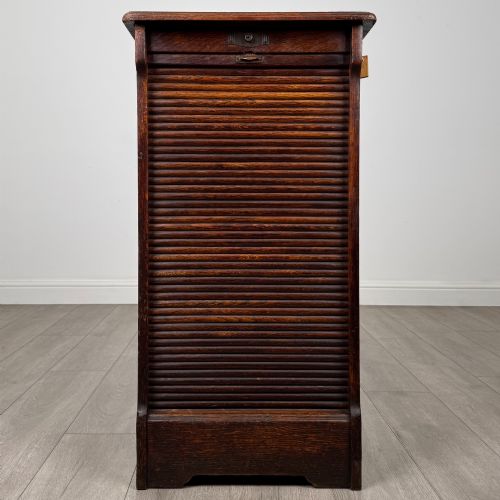
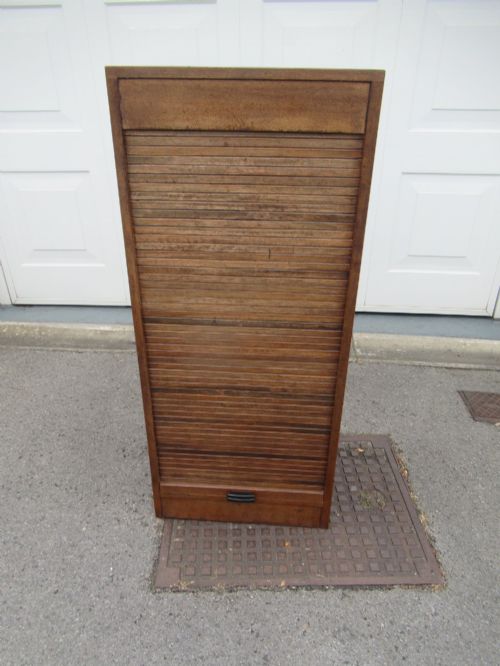
Specialised mechanisms define the construction of specific forms, particularly the slatted wooden tambour fronts found on office filing cabinets and library card sets. These flexible doors require precise joinery to glide smoothly along concealed tracks within the wooden carcass.
Retro Brown Cabinet Retail Price Guide 2026
Typical asking prices for retro brown cabinet among the pieces listed under this phrase on Sellingantiques today, from the lower quarter to the upper quarter. They describe what is for sale here now, not the wider market.
A sewing cotton haberdashery display case sits alongside heavy office filing systems, proving storage can charm.
Distinctions in quality
Quality rests upon the selection of timber figures, particularly the grain matching on walnut veneer doors and drawer fronts. Superior examples exhibit harmonious natural patterns across the entire facade rather than disparate cuts of wood.
The precision of moving parts separates standard items from finer productions, evident in the smooth operation of tambour shutters, adjustable shelving brackets, and fitted interior compartments. Maker attribution also elevates a piece, as does the retention of original brass hardware and glass.
Crown Furniture·Heals·Bowman Brothers·Globe Wernicke·Chadwick·Alfred Dunhill·Arthur Reynolds Of Ludlow
The Retro Brown Cabinet Glossary
- Tambour
- A flexible shutter made of narrow wooden slats glued to a canvas backing, allowing doors to slide around curved cabinet corners. This mechanism is common on office filing units and compact cupboards.
- Veneer
- A thin layer of figured wood applied to a secondary timber base to create decorative exterior surfaces. Figured walnut veneer is typical of Art Deco furniture.
- Breakfront
- A cabinet design where the central section projects forward from the flanking sections. This architectural form adds depth and visual structure to bookcases and display cabinets.
- Humidor
- A specially sealed wooden box designed to maintain a constant humidity level for storing cigars. Alfred Dunhill produced notable examples in wood.
Retro Brown Cabinet: Frequently Asked Questions
How do I identify Art Deco furniture?
Art Deco furniture typically showcases geometric forms, symmetry, and striking figured wood veneers like walnut.
Pieces from this period often emphasise clean lines alongside functional design elements such as curved display cabinets and cocktail bars.
Were these cabinets used in offices?
Many brown cabinets from the early twentieth century served commercial purposes, including library card indexes and office filing systems.
Oak and mahogany construction ensured these utilitarian items could withstand daily administrative use.
How should I care for walnut veneer?
Walnut veneer requires protection from direct sunlight and excessive moisture to prevent fading and lifting of the wood.
Regular dusting with a dry cloth helps preserve the natural sheen of the figured grain.