

Retro Brass Lighting
Retro brass lighting brings warmth and architectural weight to a room, drawing on decades of design from the nineteenth century to the mid-twentieth century.
Retro Brass Lighting
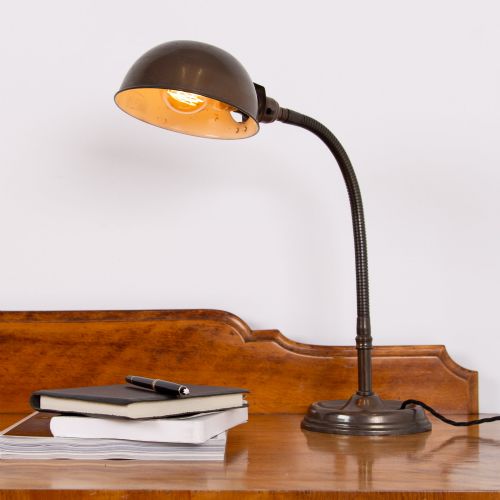
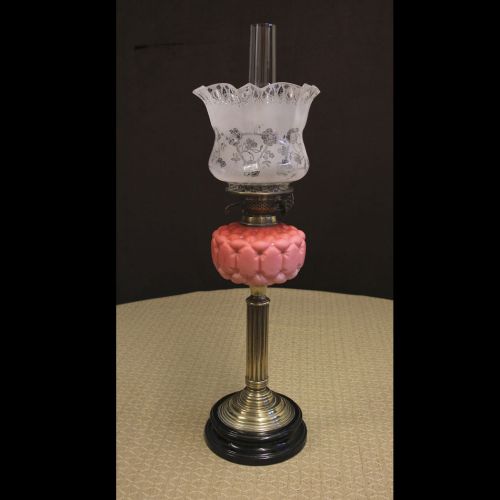
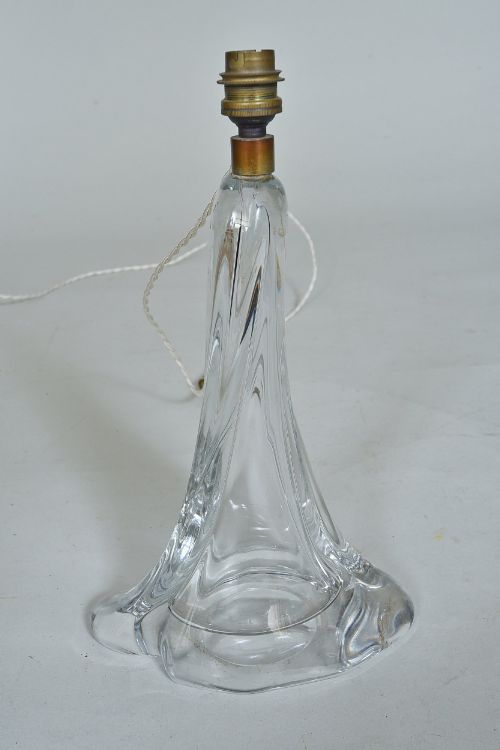
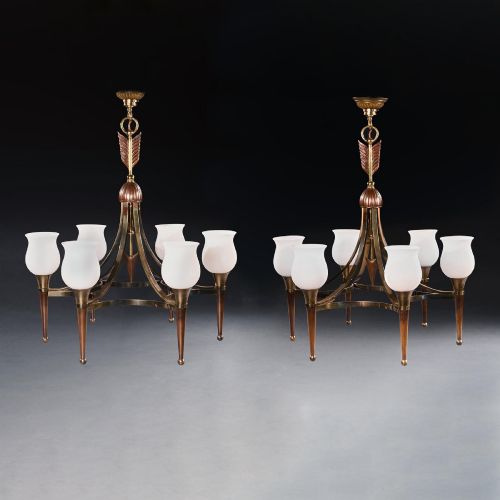
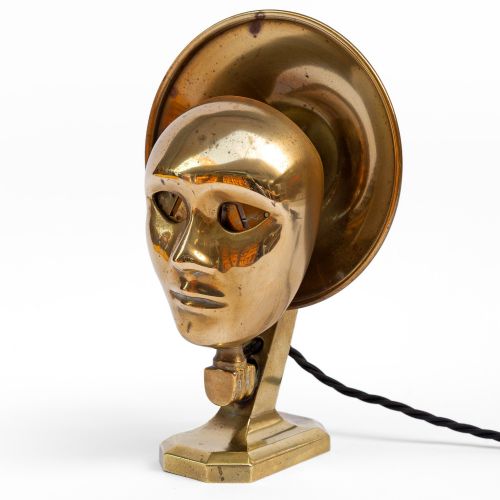
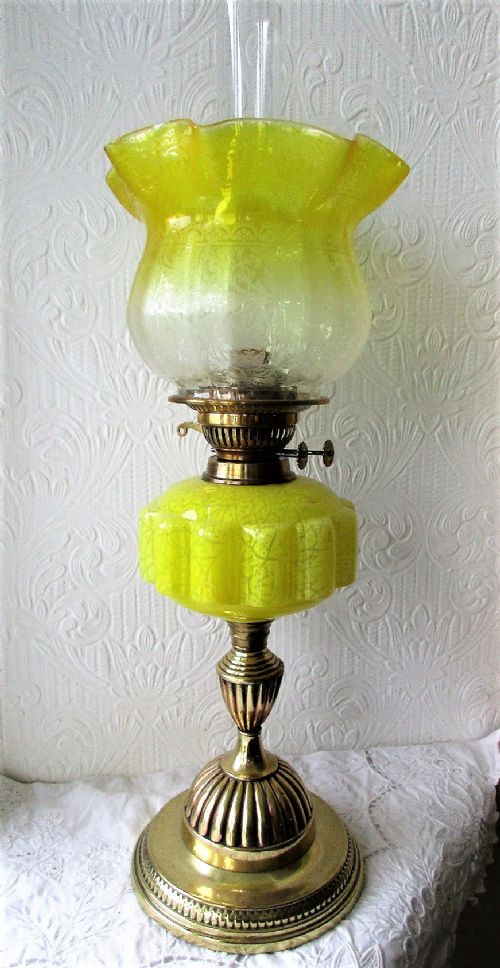
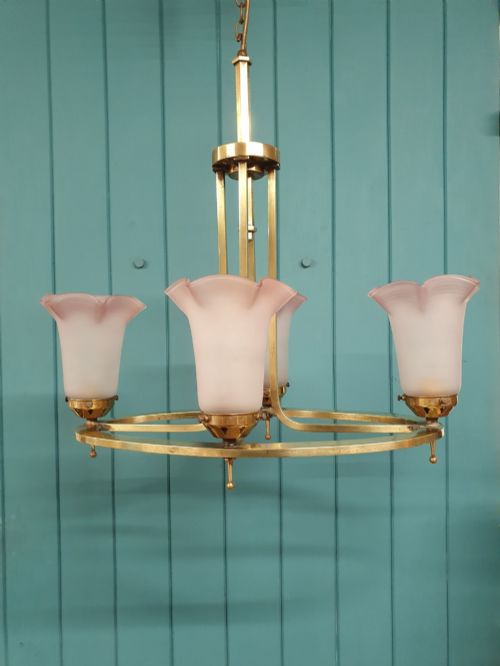
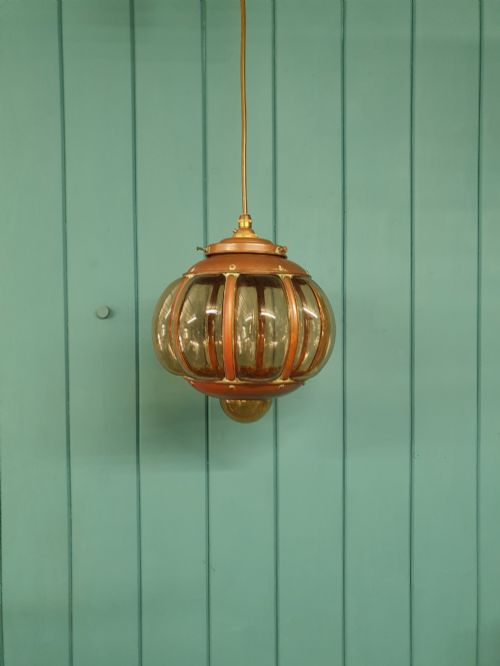
Retro brass lighting covers a broad sweep of utilitarian and decorative fittings, from simple bankers desk lamps and adjustable reading lights to multi-light chandeliers and heavy floor standards. When you explore retro brass lighting on this page, you encounter everything from industrial ceiling lights and French boudoir lamps to ornate Victorian oil conversions.
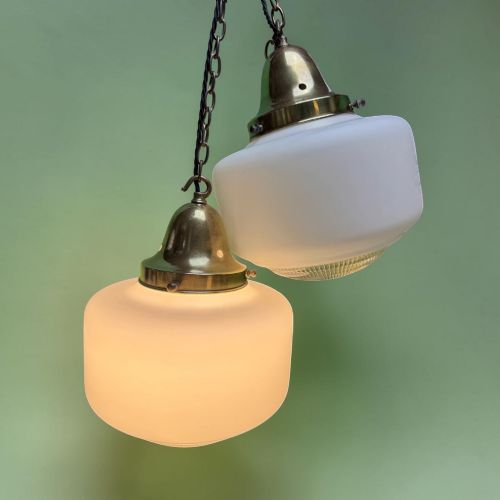
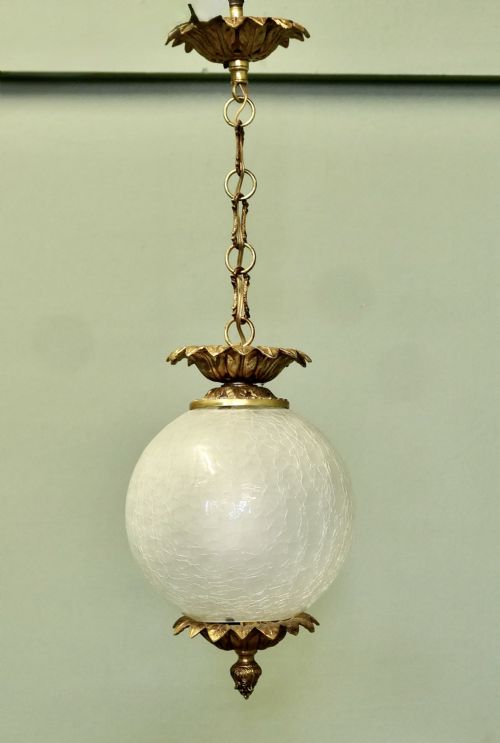
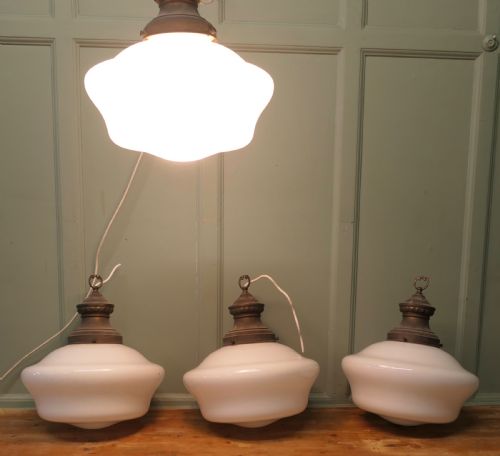
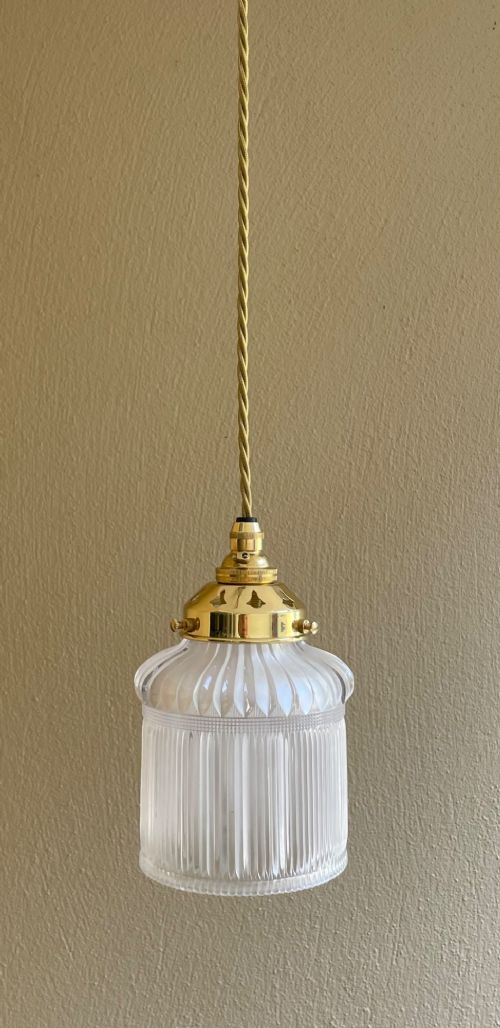
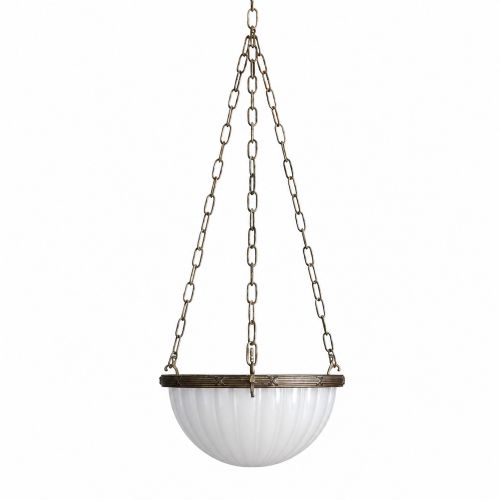
The selection leans heavily into early twentieth-century forms, particularly pieces from the 1920s and 1930s that showcase Art Deco geometry alongside practical industrial engineering. Pendant lights and ceiling globes appear frequently, often paired with opaline or frosted glass shades designed to diffuse light evenly across a space.
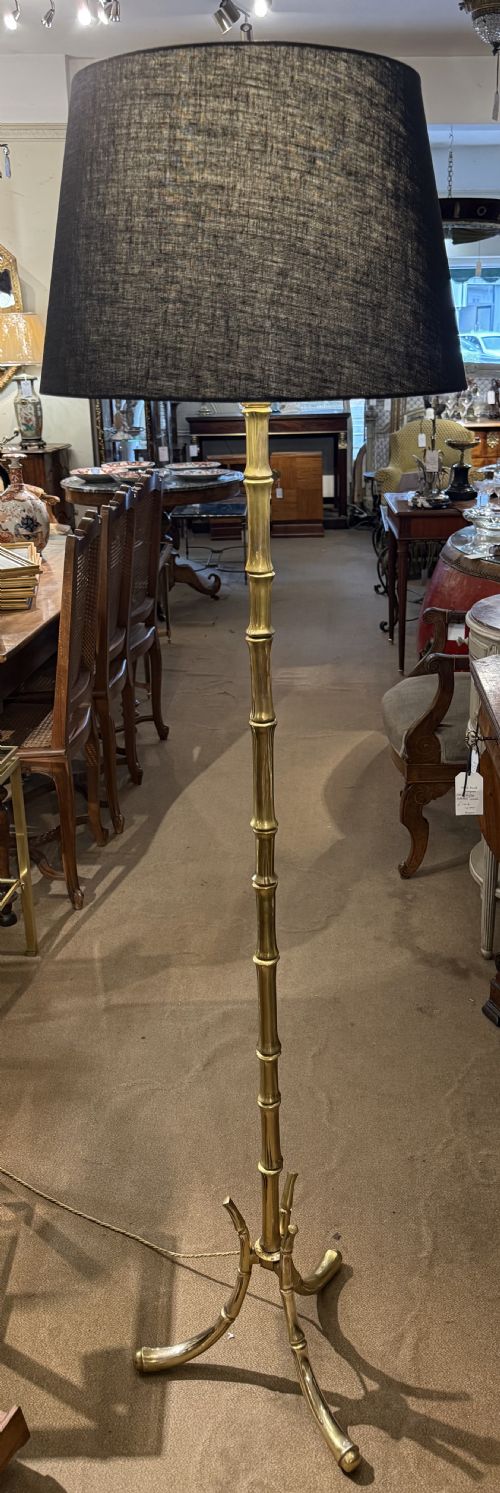
Makers and design traditions represented range from English Victorian domestic pieces to Italian chandeliers, French chateau fittings, and Hollywood Regency accents. Table lamps and floor lamps complete the domestic lineup, utilising flexible stems, marble bases, and mahogany accents alongside polished or patinated metal.
Materials and construction
Brass forms the backbone of these fixtures, providing a sturdy structural frame that takes both bright polishing and deep patination over time. Copper, chrome, and metal components frequently support the primary brass armature, particularly in industrial and modernist pieces.
Retro Brass Lighting Retail Price Guide 2026
Typical asking prices for retro brass lighting among the pieces listed under this phrase on Sellingantiques today, from the lower quarter to the upper quarter. They describe what is for sale here now, not the wider market.
A porcelain owl oil lamp waits quietly in the dark, ready to illuminate your reading nook with avian vigilance.
Assessing quality in period fixtures
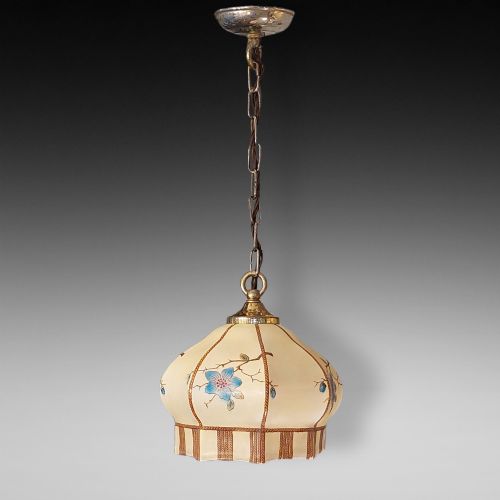
Quality rests on the substantial weight of the metal components and the integrity of the casting or spinning work. Heavier brass frames and thick, undamaged glass shades - whether moulded opaline or hand-painted - distinguish the better-constructed examples from lighter utilitarian items.
The refinement of decorative detailing also sets pieces apart, such as crisp Art Deco motifs, finely turned columns, or integrated marble and mahogany elements. Original shades, flexible working joints, and intact decorative prisms elevate the character of a fitting significantly.
Maison Bagues·Rene Mathieu
The Retro Brass Lighting Glossary
- Opaline glass
- A milky, semi-opaque glass used widely for shades to soften glare and diffuse light evenly. It appears frequently in pear-shaped and conical pendant lights from the early twentieth century.
- Plafonnier
- A flush or semi-flush ceiling light designed to sit close to the ceiling surface. These fixtures often feature moulded or frosted glass bowls held within decorative metal frames.
- Standard lamp
- A traditional British term for a floor lamp designed to stand independently in a room. These tall fixtures often incorporate heavy brass columns or wooden shafts with multiple shade holders.
- Prism
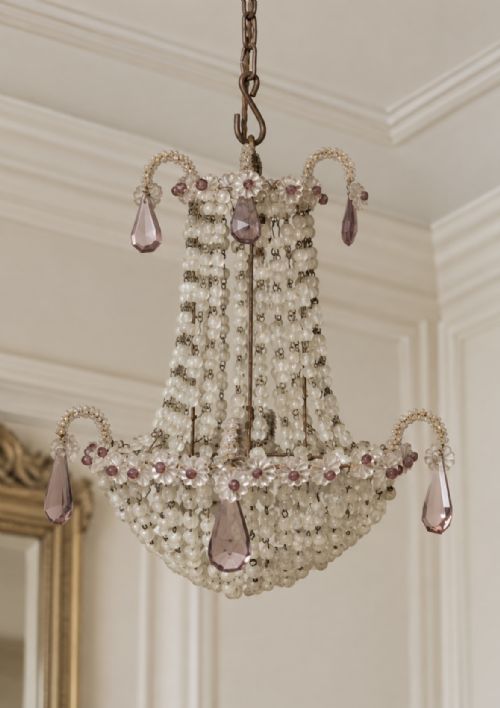
- A cut glass or crystal pendant hung from a chandelier or light fixture to refract illumination. These elements add sparkle and visual complexity to formal Edwardian and Art Deco designs.
Retro Brass Lighting: Frequently Asked Questions
How do I date a brass light fixture?
Dating relies on stylistic clues, such as the geometric lines of Art Deco pieces from the 1920s and 1930s versus the heavier, ornate casting seen in nineteenth-century Victorian fittings. Construction methods, screw types, and wiring channels also help determine the era of manufacture.
Examining the accompanying glass shades provides further context, as opaline, crackle glass, and hand-painted motifs often align with specific decades between the Edwardian period and the 1950s.
Are these vintage lights safe to wire into modern homes?
Many vintage and antique fixtures require professional rewiring to meet current electrical safety standards before installation. Buyers frequently find pieces that have already been updated for modern use.
Qualified electricians can easily adapt historical brass pendants and table lamps to accept standard bulbs while preserving the original metalwork and sockets.
How were bankers desk lamps originally used?
Bankers desk lamps were designed for intensive workspace illumination in offices, libraries, and counting houses during the early twentieth century. Their adjustable brass stands and green or white glass shades directed concentrated light downward onto paperwork.
Today, these functional task lights serve equally well on modern home office desks or as accent lighting in living spaces.
What is the difference between a pendant light and a plafonnier?
A pendant light hangs downward from the ceiling suspended by a cord, chain, or rigid brass rod, placing the light source lower in the room. This makes pendants ideal for hanging directly over dining tables or kitchen islands.
A plafonnier sits much closer or flush against the ceiling surface, providing general overhead illumination without taking up vertical clearance in rooms with lower ceilings.