





Retro Barware
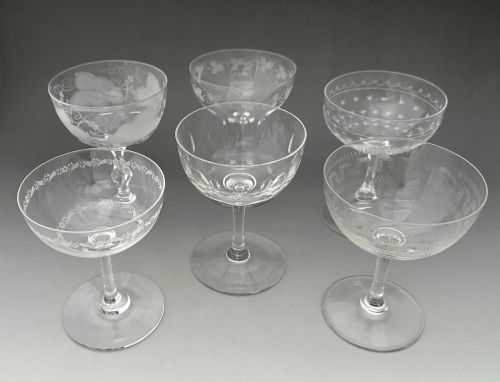
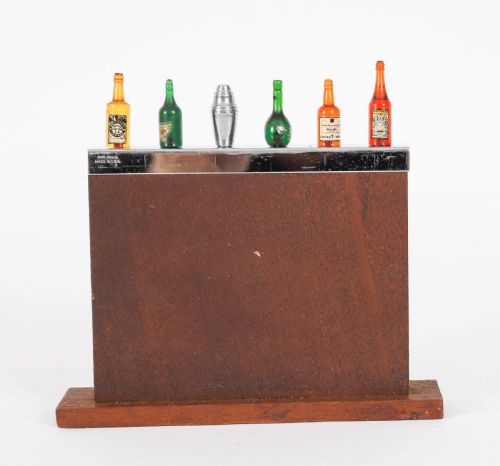
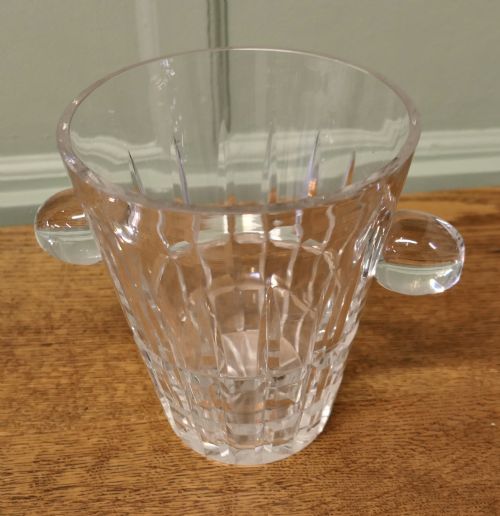
Retro barware brings together cocktail shakers, ice buckets, decanter sets, and novelty stick collections from the early to mid-twentieth century.
Retro Barware
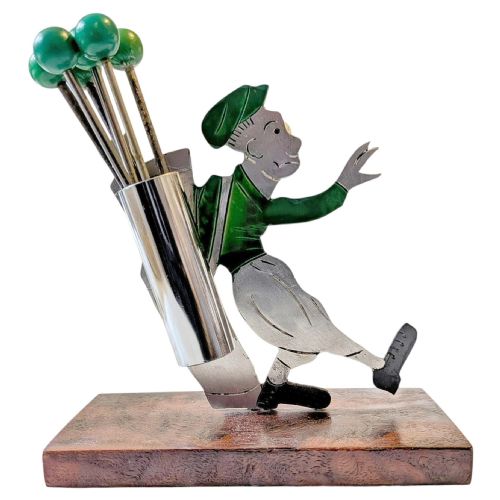
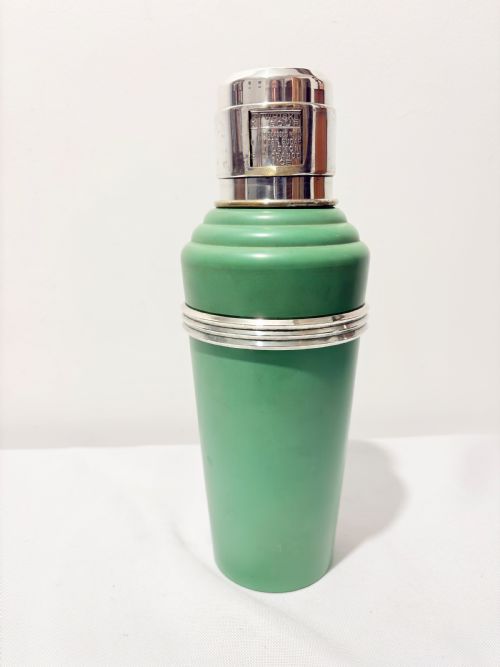
Cocktail shakers form a large part of the grouping, often incorporating clever internal mechanics like integral lemon squeezers or rolling recipe guides. Novelty sets, depicting figures such as golfers or Charlie Chaplin by makers like Sudre, offer playful touches for the home bar. Trays in mirrored glass or silver plate complete the typical domestic setup.
What drives quality
Quality rests on the crispness of execution in the metalwork and the integrity of the integrated mechanisms, such as smooth-turning recipe rings or tight-fitting shaker caps. Marked pieces bearing the stamps of established makers demonstrate higher standards of workshop production than unmarked equivalents.
The weight of the silver plate and the clarity of the cut glass or crystal determine the tactile substance of a piece. Finer items retain their original surface details, enamelling, and Bakelite fittings without heavy wear or distortion to the structural form.
Retro Barware Retail Price Guide 2026
Typical asking prices for retro barware among the pieces listed under this phrase on Sellingantiques today, from the lower quarter to the upper quarter. They describe what is for sale here now, not the wider market.
Materials across the inventory include silver plate, electroplated nickel silver, glass, chrome, wood, metal, Bakelite, and enamel.
Sudre·J. B. Chatterley & Sons·James Dixon & Sons·Asprey & Co·William Suckling·Hukin & Heath·C S Green & Co.·Gaskell & Chambers·William Suckling Ltd.·Lutz & Weiss
The Retro Barware Glossary
- Electroplated Nickel Silver
- A base metal alloy coated with a layer of silver through an electrolytic process. This technique provided an accessible alternative to solid silver for domestic tableware.
- Bakelite
- An early form of synthetic phenol formaldehyde resin valued for its durability and rich colour. It appears frequently on twentieth-century handles and decorative bases.
- Soda syphon
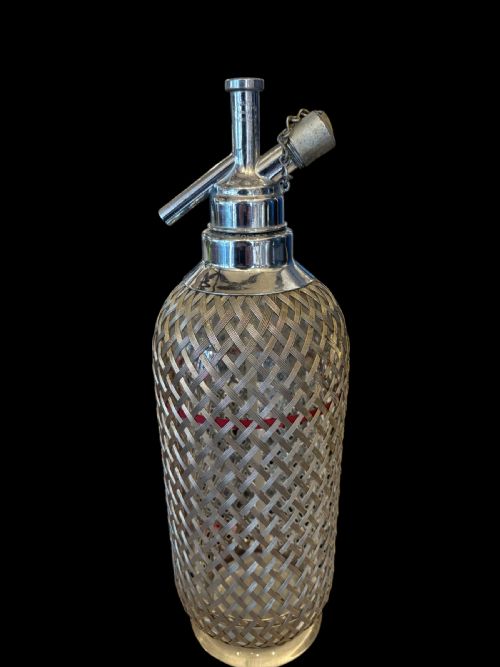
- A pressurised bottle used for dispensing carbonated water. These pressure vessels often featured protective wire mesh or metal housings.
- Cocktail shaker
- A vessel used to mix drinks by shaking with ice. Many period examples include built-in strainers and lemon squeezers.
- French crystal
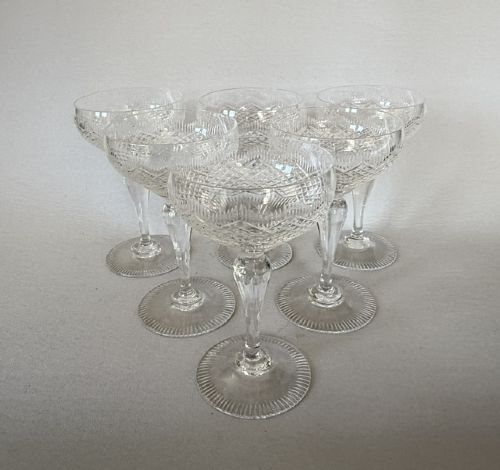
- High-clarity glass produced in France, known for its refractive qualities. It is commonly found in twentieth-century wine coolers and glassware.
Retro Barware: Frequently Asked Questions
What is retro barware?
Retro barware refers to drink-serving accessories produced during the twentieth century, particularly from the 1920s to the 1960s. The category includes silver-plated cocktail shakers, glass decanter sets, ice buckets, and novelty cocktail stick holders.
These objects reflect changing social habits and entertaining styles of the Art Deco and Mid-Century periods. They combine functional utility with decorative appeal for home bars.
How do I date a cocktail shaker?
Dating a shaker involves examining the manufacturing marks, stylistic clues, and material combinations present on the piece. Art Deco examples from the 1930s often feature geometric banding, Bakelite details, and maker stamps from British or European silversmiths.
Later items from the 1960s tend towards minimalist Modernist lines or German and Italian fabrication styles. Patent numbers and registry marks stamped into the metal also help narrow down the production era.
Are these items safe to use?
Most vintage barware remains functional for serving drinks, provided the interior surfaces are clean and well-maintained. Silver-plated interiors should be washed gently without abrasive cleaners to preserve the metal coating.
Glassware and crystal components require careful hand washing rather than dishwasher use to prevent thermal shock or surface hazing.
What is an integral lemon squeezer?
An integral lemon squeezer is a built-in metal reamer located beneath the cap of certain vintage cocktail shakers. It allowed the host to press citrus fruit directly into the mixing vessel during drink preparation.
This clever mechanical addition is a hallmark of inventive 1930s barware design, particularly seen on English and European shakers.