


Retro Aquamarine Jewellery
Retro aquamarine jewellery brings together bold mid-century design and icy blue beryl, offering striking statement pieces for daily wear.
Retro Aquamarine Jewellery
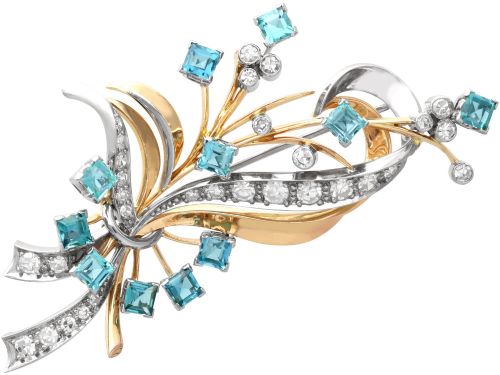
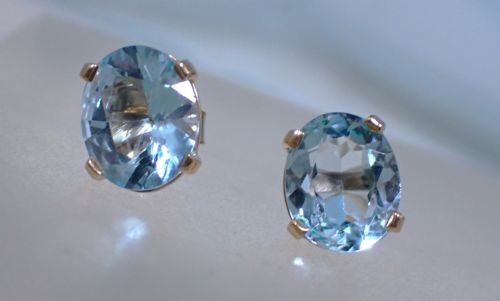
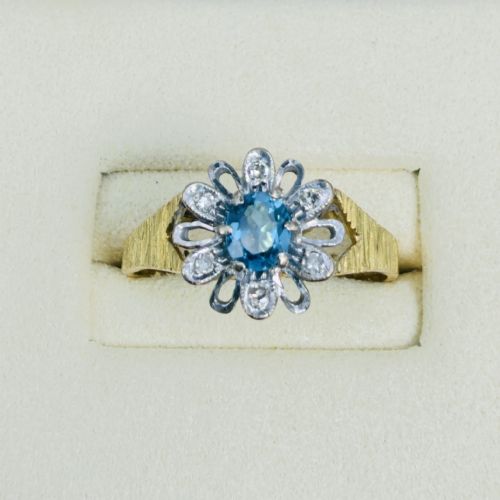
When you search for retro aquamarine jewellery, you encounter striking items created during the mid-twentieth century. The pieces span rings, earrings, pendants, brooches, and necklaces, frequently taking the form of large cocktail rings or flower clusters.
Most examples originate from the decades around nineteen fifty and nineteen sixty. You will frequently meet heavy gold settings alongside substantial central stones, defining the aesthetic of the era.
How they were made
Goldsmiths utilised eighteen carat white gold, eighteen carat yellow gold, and nine carat gold to construct robust mounts. These precious metals often support exceptionally large faceted aquamarines paired with small accent diamonds.
Techniques from the mid-century period focused on heavy casting and structured frames. Master jewellers balanced the massive weight of stones like thirty-carat aquamarines with secure prong settings and detailed gold work.
Listings span the nineteen forties, fifties, and sixties, incorporating materials such as aquamarine, diamond, ruby, and various purities of gold.
What varies in quality
The distinction between tiers rests upon the scale and clarity of the central beryl. Exceptional items display deep crystal saturation and substantial carat weight alongside clean diamond accents.
Construction heft further separates standard examples from superior ones. Heavier gold grammage and precise claw work indicate higher workshop standards.
C est Laudier
The Retro Aquamarine Jewellery Glossary
- Aquamarine
- A blue to greenish-blue variety of beryl utilised as the primary gemstone in these mid-century designs. It shares mineral origins with emerald.
- Cocktail Ring
- A large, oversized ring featuring a prominent central stone intended to draw attention during evening events. These substantial items dominated nineteen fifties fashion.
- Marquise Ring
- A ring featuring a pointed, football-shaped gemstone setting that elongates the appearance of the finger. This silhouette remains popular in vintage white gold designs.
- Tank Ring
- A bold, architectural jewellery style inspired by military machinery shapes popular during the nineteen forties. They typically employ heavy yellow or rose gold forms.
Retro Aquamarine Jewellery: Frequently Asked Questions
What defines retro aquamarine jewellery?
These items date from the nineteen forties through to the nineteen sixties, capturing the bold design spirit of the mid-century period. They typically feature substantial gold mountings and large faceted blue beryl stones.
Craftsmanship from this era prioritises weight and visual impact. You will frequently encounter cocktail rings and flower cluster designs that showcase the pale blue crystal against polished gold or white gold.
How do I style a cocktail ring?
Cocktail rings were originally designed for evening wear and social gatherings where large gestures highlighted the jewellery. Their substantial scale makes them natural conversation starters.
To live with these pieces today, wear them as standalone statement items on the hand. Pairing a large aquamarine ring with simple clothing allows the mid-century design to remain the central focus.
What metals are most common?
The listings show a strong preference for yellow gold and white gold across various purities. Eighteen carat gold appears frequently, alongside nine carat and fourteen carat alternatives.
White gold settings were often selected to brighten the icy blue tone of the aquamarine. Yellow gold options offer a warmer contrast against the large faceted gemstones.
How do I care for my piece?
Aquamarine is a durable beryl gemstone suitable for regular wear when handled with reasonable care. Clean the stones using warm soapy water and a soft brush to maintain their brilliance.
Avoid exposing vintage gold settings and diamond accents to harsh chemical cleaners. Store each piece separately in a lined box to protect the heavy metalwork from scratching.