



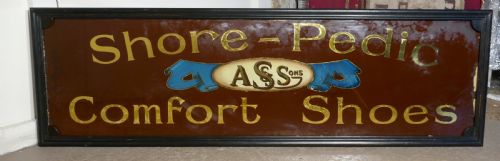
Retro Advertising Sign
A retro advertising sign brings the bold lettering and commercial character of the early twentieth century straight onto the wall.
Retro Advertising Sign
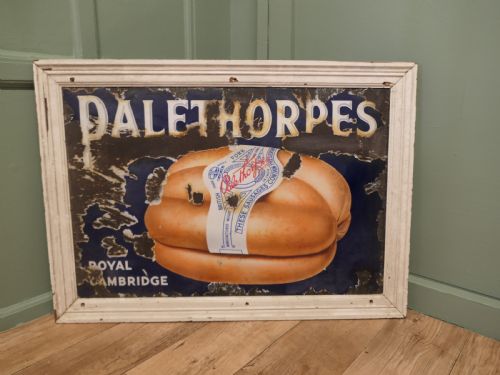
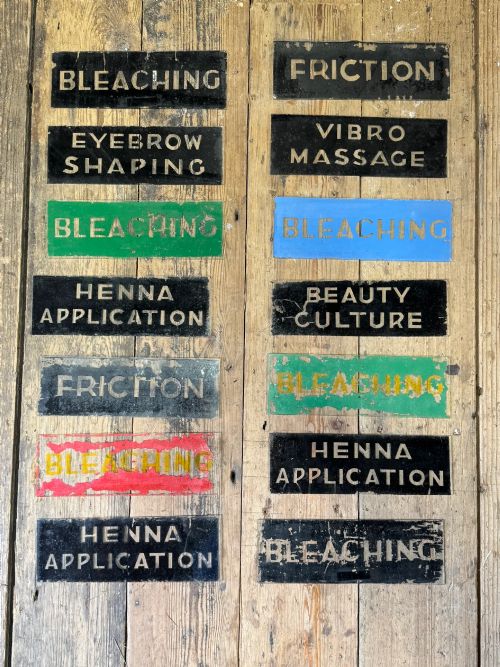
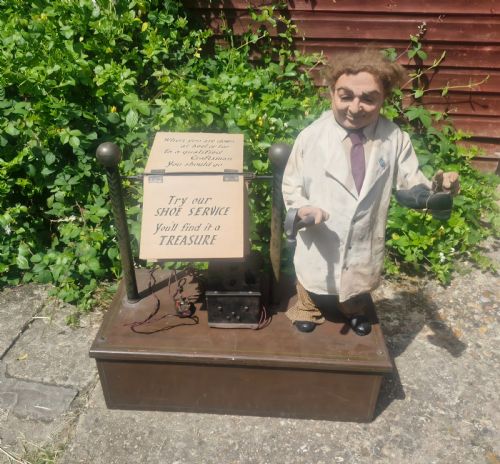
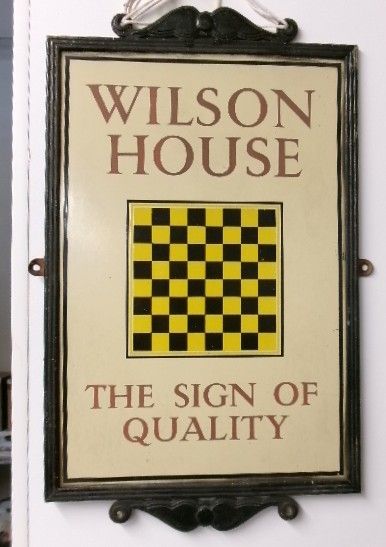
A retro advertising sign spans a range of functional shop displays, wall signs, and trade notices originating from the 1920s, 1930s, and 1940s. These pieces include public telephone notices, newspaper placards, and footwear promotions designed for daily commercial life.
Buyers will most frequently encounter enameled metal panels and glass trade signs housed within original wooden frames or iron mounts. The selection also embraces specialised items such as illuminated trade sign lights, automated shop display models, and mirrored glass panels.
Origins stretch from English trade premises and provincial French cinemas to specific commercial establishments like pharmacies, dentists, and cobblers. Each object preserves the distinct typography and marketing style of its specific decade.
How they were made
Vitreous enamel and paint provide the durable surfaces across the metal and iron panels, fired or applied to withstand outdoor and indoor commercial environments. Gold leaf frequently accents the lettering on glass plates and trade signs.
Reverse-painting techniques on glass create layered depth for interior shop displays, secured within wooden frames. Metal signs utilise folded edges and drilled mounting holes for direct wall attachment.
Retro Advertising Sign Retail Price Guide 2026
Typical asking prices for retro advertising sign among the pieces listed under this phrase on Sellingantiques today, from the lower quarter to the upper quarter. They describe what is for sale here now, not the wider market.
Materials documented across the inventory include vitreous enamel, gold leaf, and reverse-painted glass.
What varies in quality
The strength of the original typography and the legibility of the graphics define the visual impact of each piece. Surface patination, from glossy enamel to weathered paint, dictates how well the object retains its commercial clarity.
The survival of original framing, whether wooden surrounds or iron brackets, separates standard panels from those retaining their complete historical context. Intricate manufacturing methods, such as reverse-painted glass or automated mechanisms, distinguish specialised display models from basic wall signs.
The Retro Advertising Sign Glossary
- Vitreous enamel
- Glass fused to a metal substrate at high temperatures to create a hard, glossy, and weather-resistant surface. This material allowed outdoor advertising signs to retain their vibrant colours for decades.
- Reverse-painted glass
- A technique where lettering and imagery are applied to the back of a glass panel so the design is viewed through the clear front. This method protects the paintwork and produces a reflective finish.
- Trade sign
- A specialised indicator hung outside or inside a shop to identify the proprietor's profession or wares. These items range from dental notices to footwear displays.
- Shop display model
- A three-dimensional object or automated figure used by retailers to attract customers and demonstrate specific goods. They were typically placed in prominent window positions.
- Distressed mirror plate
- A reflective glass surface showing oxidation, foxing, or wear from age. This degradation often appears on vintage advertising mirrors used in salons and cinemas.
Retro Advertising Sign: Frequently Asked Questions
How do I hang a heavy enamel sign?
Enamel and iron signs require sturdy wall anchors and fixings matched to the weight of the metal panel. Ensure the mounting brackets distribute the load evenly across the frame or pre-drilled fixing holes.
Avoid tightening screws directly against the enamel surface to prevent chipping or cracking around the mounting points. Using padded stand-offs can protect the rear of the sign from damp wall surfaces.
Can these signs go outdoors?
Many vitreous enamel and iron signs were originally manufactured for exterior placement on buildings and public thoroughfares. The fired glass coating protects the underlying metal from standard weather exposure.
However, pieces featuring wooden frames, reverse-painted glass, or delicate gold leaf are best suited for interior display. Assessing the backing materials helps determine whether a sign can withstand modern outdoor conditions.
How do I date a vintage advertising piece?
Dating relies on the typography, manufacturing materials, and the specific trade or brand named on the sign. Items from the 1920s and 1930s often display distinct Art Deco lettering or early industrial aesthetics.
Comparing the company name or style against historical business records helps narrow down the decade of production. Original framing and mounting hardware can also offer clues to the manufacturing period.