

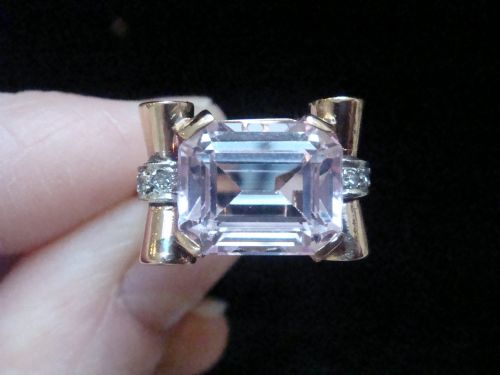


Retro 18ct Gold Jewellery
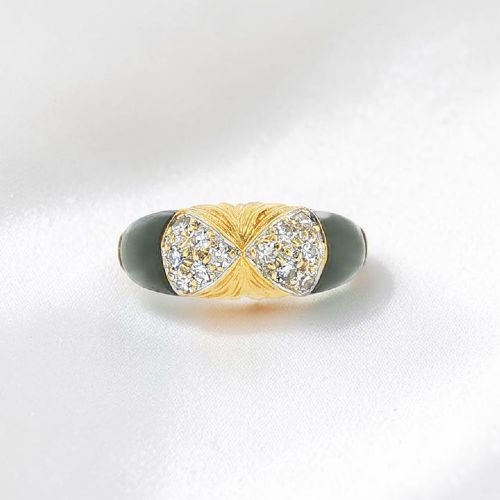
When you handle retro 18ct gold jewellery, you meet substantial rings, clips and bracelets built with distinct weight and colourful stones.
Retro 18ct Gold Jewellery
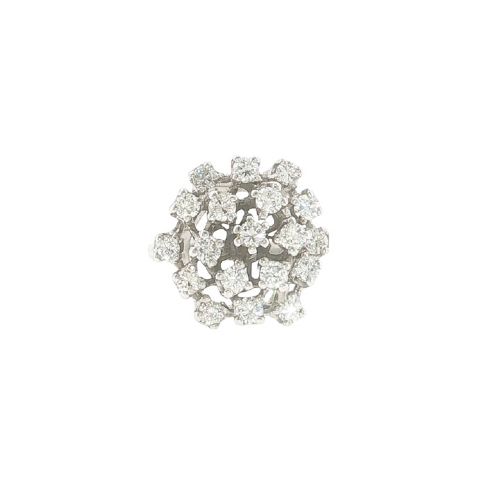
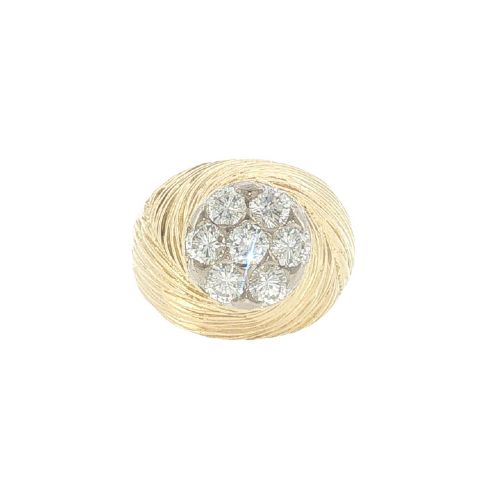
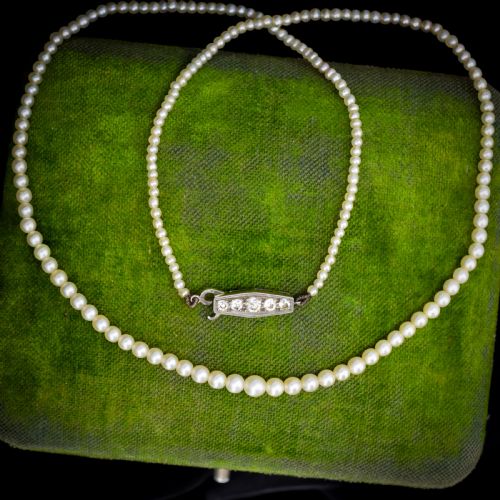
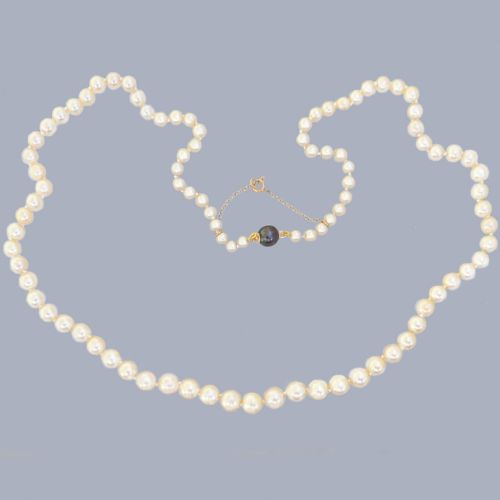
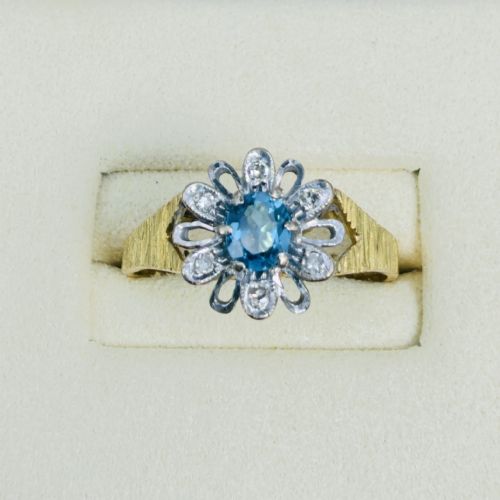
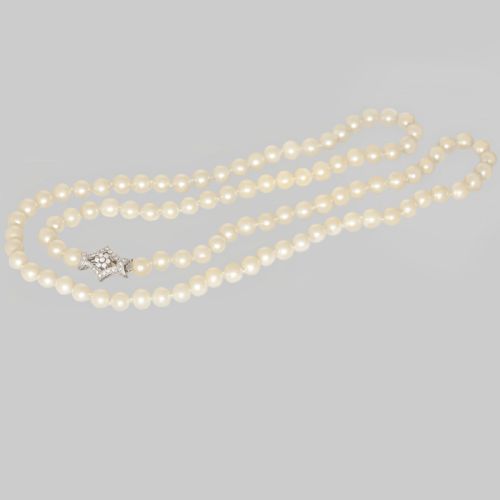
The selection ranges from robust cocktail rings set with large aquamarines or sapphires to delicate pearl strands fastened with diamond-set 18ct white or yellow gold clasps. Geometric Art Deco influences and bold 1970s modernist forms also appear frequently within the grouping.
Materials and Construction Techniques
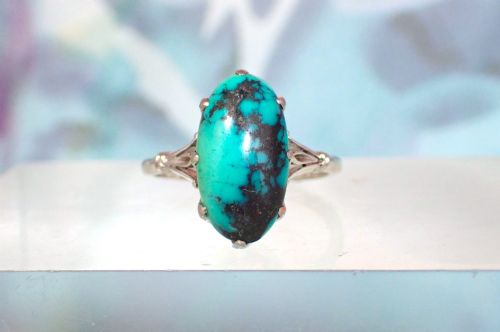
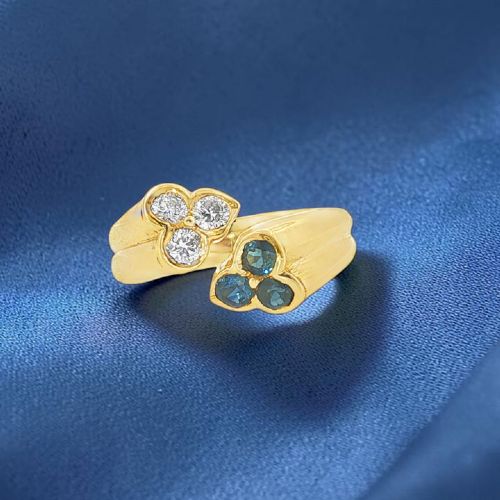
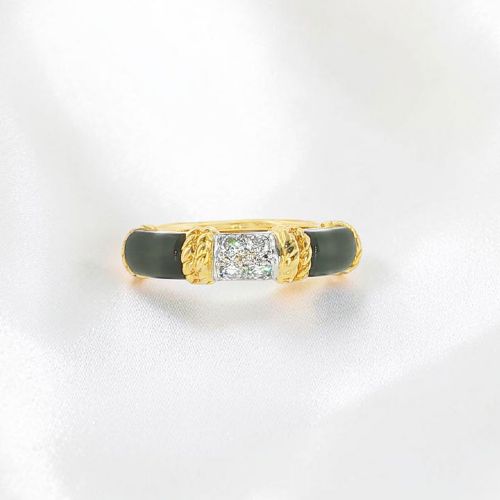
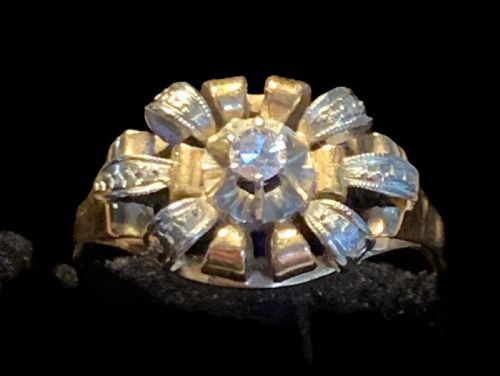
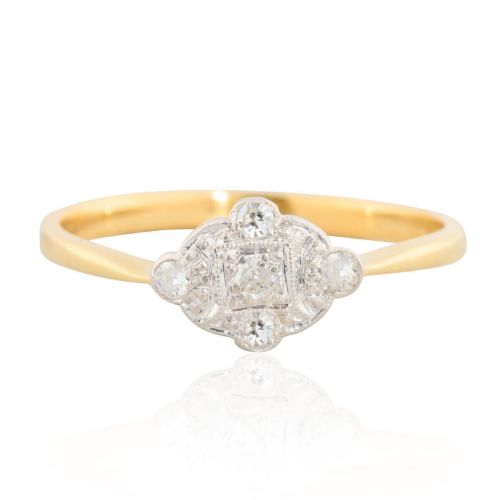
Pieces in this category rely upon 18ct yellow and white gold as foundational metals, often paired with platinum in earlier settings. Goldsmiths united these metals with diamonds, sapphires, turquoises, pearls, and aquamarines, securing them in cluster, floral, and geometric arrangements.
Construction methods involve cast and heavy fabricated gold mounts designed to support substantial central gemstones like kunzite, opal, and lapis lazuli. Clip-on mechanisms on earrings and integrated clasp designs on pearl necklaces demonstrate the mechanical precision typical of the period.
Some clip-on earrings from this era were engineered so securely they could probably survive a brisk gale without shifting an inch.
Determinants of Quality
Quality in these items rests upon the weight of the 18ct gold mount and the scale and purity of the set gemstones, such as Ceylon sapphires or natural kunzite. Heavier, substantial construction distinguishes superior examples from lighter commercial alternatives.
The precision of the setting work and the inclusion of maker signatures elevate specific pieces, reflecting the skill of prominent workshops and individual designers who shaped the mid-century aesthetic.
Kutchinsky·Boucheron·Andrew Grima
The Retro 18ct Gold Jewellery Glossary
- Cocktail ring
- A large, prominent ring featuring substantial gemstones designed to draw attention during evening wear. These pieces typically rise high from the finger and utilise colourful centre stones.
- Ballerina ring
- A cluster ring featuring a central diamond or gemstone surrounded by a radiating halo of tapered baguettes or smaller stones that mimic a dancer's tutu. The arrangement creates significant visual texture.
- Old cut
- A diamond cutting style prevalent before modern brilliant cuts, characterised by a smaller table, higher crown, and open culet. These stones exhibit a softer, candlelit sparkle.
- Cluster ring
- A design where a central stone is encircled by a tight grouping of smaller stones, commonly diamonds surrounding a sapphire, ruby, or emerald. This layout maximises overall brilliance and perceived scale.
Retro 18ct Gold Jewellery: Frequently Asked Questions
How do I style retro rings?
These substantial rings work well as standalone statement pieces on the hand due to their heavy gold weight and large central stones. Pairing a colourful cocktail ring with simple evening attire allows the design to remain the focal point.
Mixing yellow and white gold pieces from the mid-century period provides a textured look, though coordinating gemstone colours helps maintain visual balance across multiple rings.
What defines mid-century design?
Mid-century design moves away from rigid historicism toward organic curves, bold geometry, and heavy sculptural gold work. Pieces often incorporate volumetric forms and unexpected combinations of coloured gemstones like turquoise and lapis lazuli.
This era favoured adaptable items, such as clip-on earrings and heavy link bracelets, that prioritized physical presence and tactile comfort.
How should I care for pearl necklaces?
Pearl strands require gentle handling, avoiding direct contact with perfumes, cosmetics, and hairsprays that can damage the nacre over time. Storing them flat in a lined box prevents the silk thread from stretching unduly.
Cleaning should involve only a soft, damp cloth without chemical dips, paying particular attention to the 18ct gold or diamond-set clasps.
Are these pieces suitable for daily wear?
Solid 18ct gold mounts provide durability for regular use, but items set with softer stones like turquoise, opal, or pearls demand greater caution. Removing rings before heavy physical tasks prevents scratching the softer gems and metalwork.
Secure settings on heavier bracelets and earrings make them robust companions for regular social occasions when handled with standard care.