

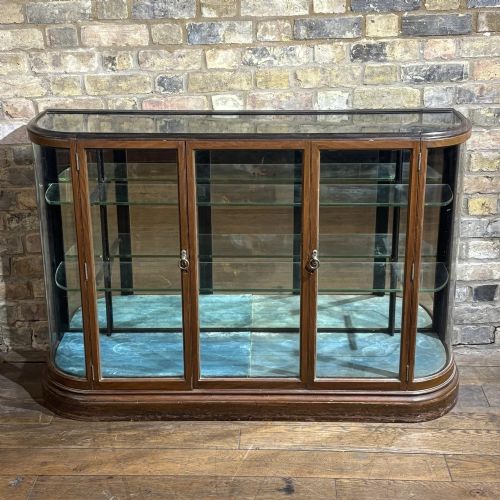


Retail Haberdashery Display
Retail haberdashery display pieces are functional commercial antiques that bring period trade craftsmanship and glazed organisation into domestic rooms.
Retail Haberdashery Display
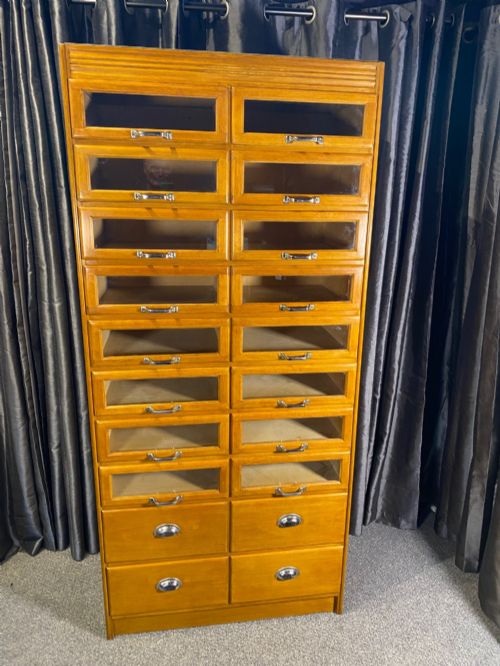
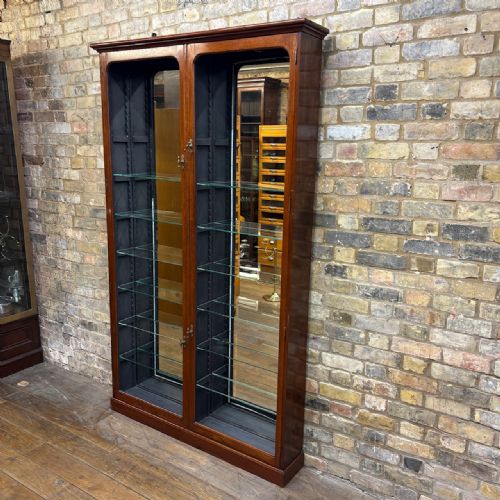
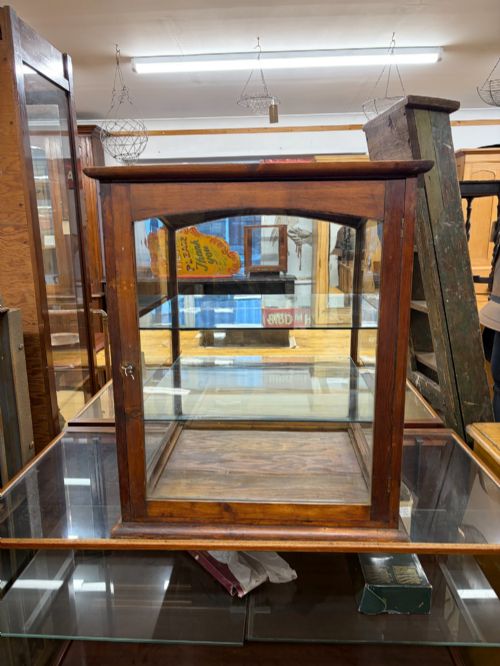
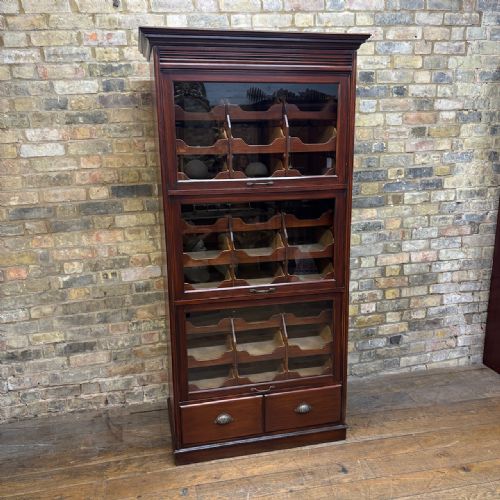
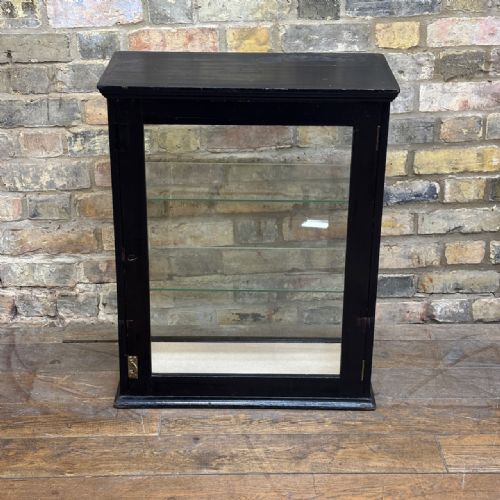
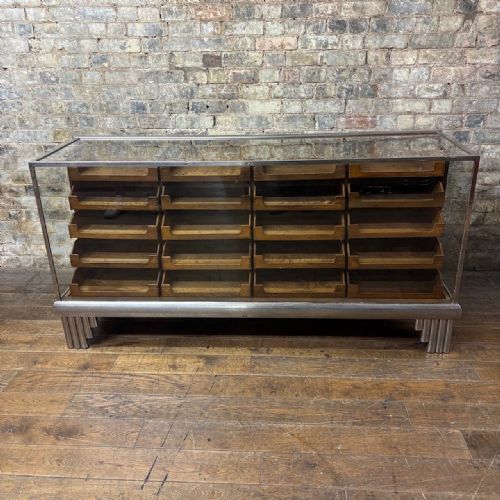
Retail haberdashery display pieces encompass a variety of shop fittings designed to showcase merchandise, spanning from the Victorian era through the 1930s. Buyers encountering this selection will find tall tower cabinets, countertop display cases, and multi-drawer shop fittings originating from commercial environments.
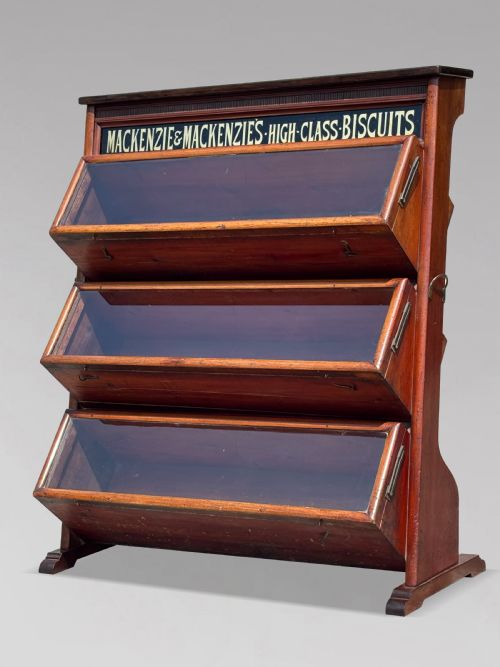
The objects take many forms, including bow end cabinets, brass-framed counters, and tiered stands originally built for drapery or sweet shops. These pieces reflect the functional commercial design of their respective periods, utilising mahogany, oak, and pine frameworks.
Materials and Construction
Construction relies heavily on timbers such as mahogany and oak, frequently paired with glazed panels to maximise visibility for merchandise. Metal elements, including brass, cast iron, chrome, and aluminium, provide structural framing and support for display counters and stands.
Joinery methods serve the demands of daily commercial use, incorporating multi-drawer configurations, mirrored interiors, and fabric linings like velvet. These materials combine to create durable shop fittings designed to withstand constant customer interaction.
Retail Haberdashery Display Retail Price Guide 2026
Typical asking prices for retail haberdashery display among the pieces listed under this phrase on Sellingantiques today, from the lower quarter to the upper quarter. They describe what is for sale here now, not the wider market.
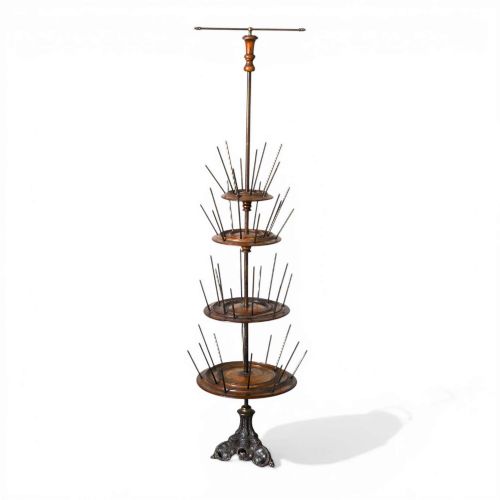
Some cotton reel display trees feature four revolving tiers designed to make selecting sewing thread mesmerising for Victorian shoppers.
Distinctions in Standard
The integrity of original materials, from polished hardwoods to cast metal frames, dictates the standing of a piece. Retaining factory markers or specialised commercial hardware distinguishes superior examples from standard trade furniture.
F. Sage & Co·Dudley & Co·John Stow Ltd·Saml. Elliott & Sons
The Retail Haberdashery Display Glossary
- Haberdashery counter
- A long shop fixture featuring glass panels or numerous shallow drawers specifically built for selling small sewing goods and textiles. These counters allowed customers to view ribbons, buttons, and threads directly through the top surface.
- Bow end
- A curved glass or timber termination on a display cabinet or counter. This rounded profile softens the corners of large shop furniture and widens the viewing angles for goods.
- Vitrine
- A glass-fronted display case designed to protect delicate merchandise while offering all-round visibility. In a retail setting, these pieces sat upon counters or stood independently.
- Shop fitting
- Custom-built architectural furniture and display units created for commercial interiors. These heavy-duty pieces were engineered to endure decades of heavy public retail use.
Retail Haberdashery Display: Frequently Asked Questions
How were retail haberdashery display cabinets used?
Merchants utilised these glazed cases and multi-drawer counters to organise small goods while protecting stock from dust and handling.
Customers viewed textiles and accessories through the glass tops and fronts while shopkeepers served from behind the timber barrier.
How do I date a shop display counter?
Dating relies on observing the prevailing materials, hardware, and stylistic traits associated with the Victorian, Edwardian, and Art Deco periods. Oak and heavy brass generally point towards earlier Victorian production, while chrome and aluminium frames indicate later 1930s commercial manufacturing.
Maker plaques and structural joinery styles further narrow down the exact decade of origin.
Are these display pieces suitable for modern homes?
These cabinets and counters adapt easily to domestic interiors for displaying collections, glassware, or everyday tableware. Their deep storage drawers and glazed shelving offer practical utility in living rooms or kitchens.
The commercial proportions require measuring floor space carefully before placement.
What is the difference between a vitrine and a counter?
A vitrine functions primarily as an enclosed display cabinet standing upright or upon a table to showcase precious items at eye level. A counter provides a flat working surface on top combined with storage or display space underneath for customer transactions.
Counters have a lower, heavier profile suited to standing shop floors.