





Retail Display Stands
Retail display stands are practical shop fittings designed to showcase merchandise, offering sturdy construction and period character for collectors and interior decorators alike.
Retail Display Stands
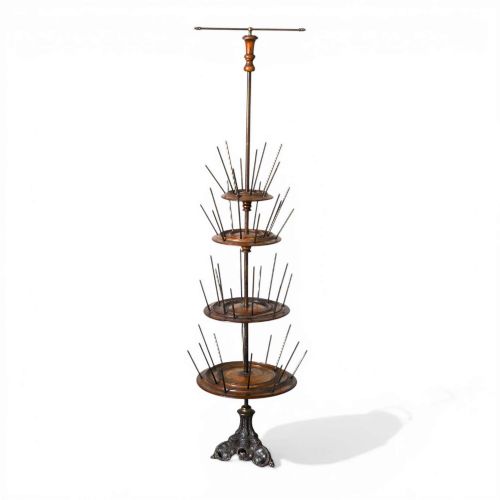
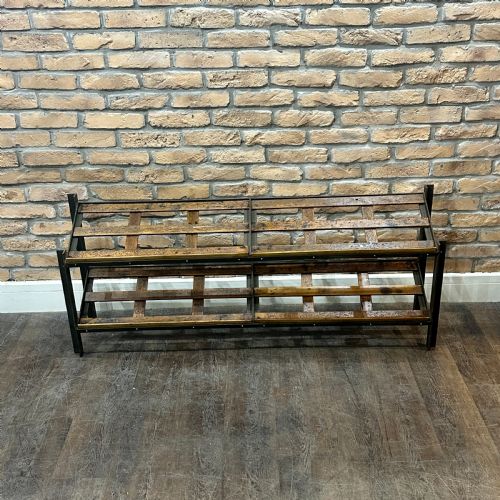
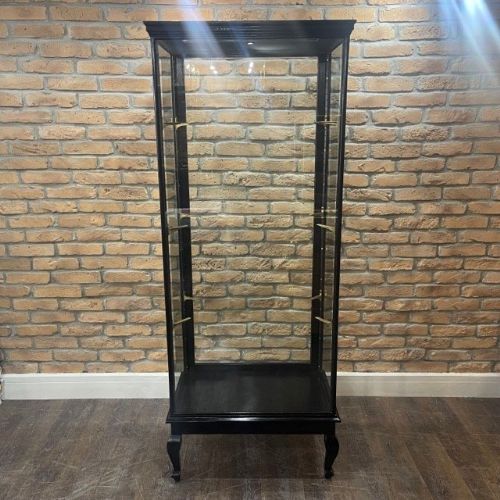
Retail display stands encompass a variety of commercial shop fittings intended to present items clearly and securely within a room. When exploring retail display stands, buyers encounter specialised forms such as countertop shelves, hat stands, cotton reel trees, and tall tower cabinets.
The pieces available span multiple eras, featuring Victorian designs alongside Edwardian, Art Deco, and 1930s commercial examples. Origin influences the character, with English shop fittings sitting alongside French Provincial tables and Italian silver frames.
Forms range from compact brass countertop pieces to substantial oak and mahogany floor-standing cabinets. Buyers frequently select these functional items to organise collections or furnish commercial spaces with authentic period utility.
How they were made
Construction relies heavily on robust combinations of metal and timber suited to heavy commercial use. Workshops utilised cast iron and brass for structural frames, sometimes paired with ebonised finishes or bronze elements.
Cabinetry and tables employ durable hardwoods including mahogany, oak, and French oak. Glazed panels and glass shelving are integrated into many showcases, requiring precise framing to support display requirements.
Retail Display Stands Retail Price Guide 2026
Typical asking prices for retail display stands among the pieces listed under this phrase on Sellingantiques today, from the lower quarter to the upper quarter. They describe what is for sale here now, not the wider market.
Listings feature periods spanning the Victorian era through the 1950s, utilising brass, mahogany, oak, and glass.
What varies in quality
Quality in retail display stands depends on the integrity of the materials and the sophistication of the metalwork or cabinetry. Pieces featuring substantial cast iron, heavy brass, and well-figured mahogany or oak represent the higher end of the range.
Construction details such as tight joinery, original glass, and refined proportions distinguish superior commercial pieces from simpler utilitarian items. The presence of identifiable maker details or specialised shop fittings further elevates the standing of a piece.
Pinci, Roma·Siegel
The Retail Display Stands Glossary
- Shop fitting
- Fixtures and furniture originally manufactured for commercial retail environments. These items were built to withstand daily use in drapery, jewellery, or general merchandise shops.
- Ebonised
- Wood treated to resemble ebony through a dark staining or finishing process. This technique provides a stark, formal appearance popular on certain display cabinets.
- Cotton reel tree
- A tiered vertical stand designed to hold sewing threads in a shop setting. They feature multiple revolving or fixed arms arranged around a central column.
- Countertop shelf
- A small shelving unit designed to sit upon a shop counter for customer browsing. These pieces maximise visibility for smaller retail items.
- Show case
- A glazed enclosure used to protect and display delicate merchandise. These items typically feature wooden frames and glass panels on multiple sides.
Retail Display Stands: Frequently Asked Questions
What were retail display stands used for?
Retail display stands served merchants by organising and elevating merchandise for customer inspection in shops. Items like hat stands, draper's stands, and display trees kept goods visible and accessible.
Over time, these commercial fittings transitioned from active retail environments into domestic interiors where they now serve similar organising roles for personal collections.
How do I date a display stand?
Dating relies on identifying period characteristics, construction techniques, and materials associated with specific manufacturing eras. Victorian pieces often incorporate cast iron and heavy brass, while 1920s and Art Deco examples favour streamlined bronze or ebonised surfaces.
Examining the joinery and hardware provides additional clues to the age and origin of the piece.
Are these stands suitable for modern homes?
These commercial fittings adapt readily to modern interiors by offering vertical storage and display space with distinct historical character. Countertop shelves and hat stands fit neatly onto modern surfaces and furniture.
Larger cabinets and tables function effectively in hallways, living rooms, or studies to house books, ceramics, or photographs.
What materials are most common?
Metals such as brass, cast iron, bronze, and steel appear frequently in the structural frames of these display items. These durable metals were chosen for their strength in busy retail settings.
Timbers including mahogany, oak, and French oak provide the substance for tables, cabinets, and shelving units, often paired with glass panels.