





Restored Table
A restored antique table brings centuries of craftsmanship into daily use, combining historical timber and period construction with renewed structural stability.
Restored Table
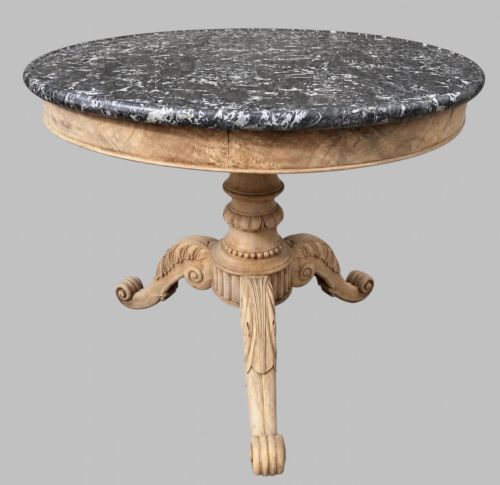
A buyer seeking a restored antique table finds pieces ranging from Victorian pine kitchen tables and mahogany breakfast tables to walnut writing desks and occasional tables spanning the nineteenth century and Edwardian period. These items include dining tables, side tables, Pembroke tables, and partners desks constructed from walnut, mahogany, and oak.
The most frequent examples on this page are Victorian mahogany and pine tables, alongside French walnut pieces and Edwardian side tables. Each item retains its original form, whether built for dining, writing, or occasional use.
Makers and workshops recorded in the evidence such as Howard & Son's sit alongside vernacular pieces, demonstrating the variety of domestic and library furniture preserved through careful restoration.
Judging quality and intervention
The distinction between tiers of quality rests on the fidelity of the restoration to the original timber and period construction methods. Pieces that retain their primary timber surfaces and original hardware without excessive replacement wood demonstrate superior craftsmanship.
The integration of new elements, such as leather desk inserts or structural reinforcement, affects the character of the piece. High-quality examples maintain proportional balance and harmonious timber grain across extended surfaces like dining leaves and partners desks.
Restored Table Retail Price Guide 2026
Typical asking prices for restored table among the pieces listed under this phrase on Sellingantiques today, from the lower quarter to the upper quarter. They describe what is for sale here now, not the wider market.
Even sturdy nineteenth-century partners desks need careful negotiation through narrow modern hallways.
Howard & Son's·Maple & Co
The Restored Table Glossary
- Scrub top
- A plain timber tabletop designed for frequent washing and scrubbing, commonly found on Victorian kitchen tables. This surface shows the pale grain of bare pine.
- Tilt-top
- A mechanism allowing the tabletop to pivot vertically for storage when not in use. This construction is typical of nineteenth-century breakfast and occasional tables.
- Pembroke table
- A small rectangular table featuring two hinged drop leaves on opposing sides. It often includes a single drawer and slender legs suited to domestic spaces.
- Partners desk
- A large double-sided desk built with drawers and cupboards accessible from both faces. It was originally designed for two people to work opposite one another.
- Marquetry
- The art of applying decorative veneer pieces in wood to form intricate patterns. This technique appears on nineteenth-century desks and cabinet furniture.
Restored Table: Frequently Asked Questions
How do I clean a restored table surface?
Use a soft, dry cloth to remove dust from mahogany, walnut, or pine surfaces without applying harsh modern chemical sprays.
Maintain polished wood by occasionally applying beeswax to preserve the sheen and protect the historic timber grain.
Can I use an antique table daily?
These tables were built for everyday domestic functions like dining, writing, and food preparation, making them durable for modern homes.
Ensure hot dishes or liquids use protective mats to prevent marking the restored polished finishes or scrub tops.
What does a scrub top mean?
A scrub top refers to an unpolished pine surface intended to be scoured clean with water and a brush after use.
This utilitarian finish provides a tactile, matte texture distinct from polished hardwood dining tables.
How do I identify a Victorian table?
Victorian tables typically feature dense timbers like mahogany and walnut, often with turned legs, carved pedestals, or tilt-top mechanisms.
Construction details such as hand-cut dovetails in drawers and traditional joinery confirm the nineteenth-century origin.