

Restoration Portrait Art
When searching for restoration portrait art, collectors encounter compelling paintings and prints from the seventeenth century and later periods.
Restoration Portrait Art
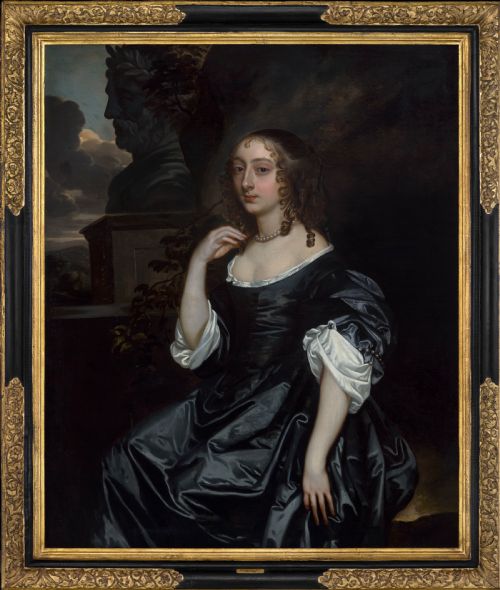
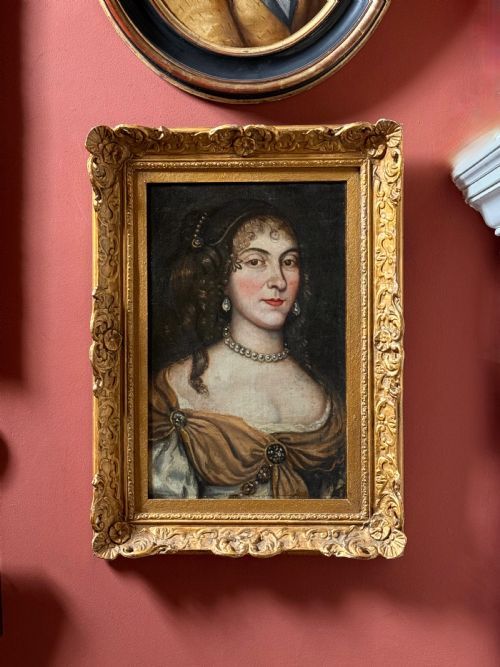
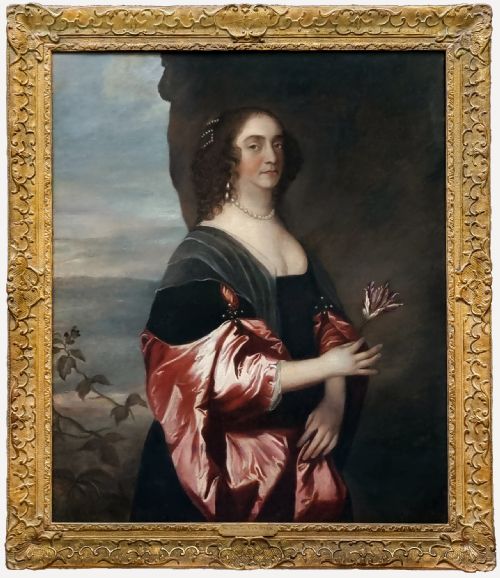
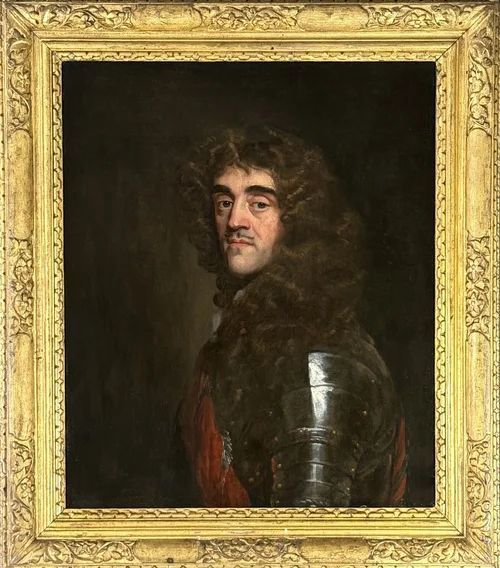
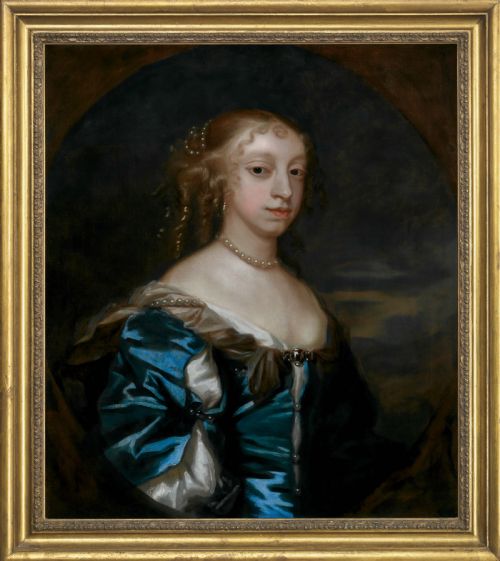
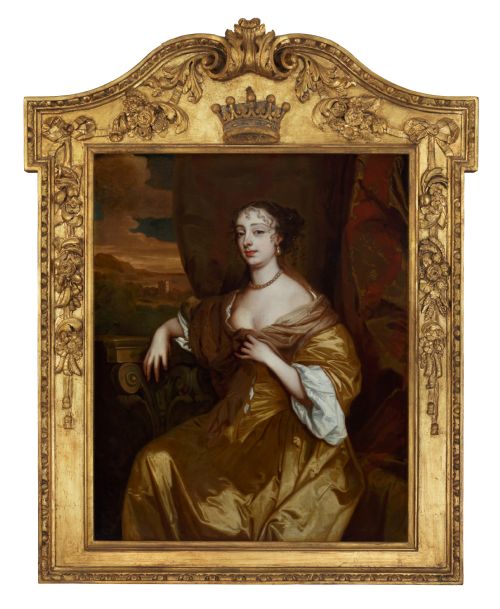
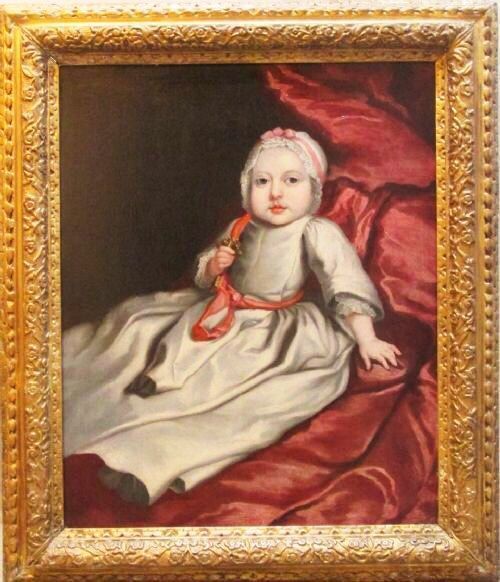
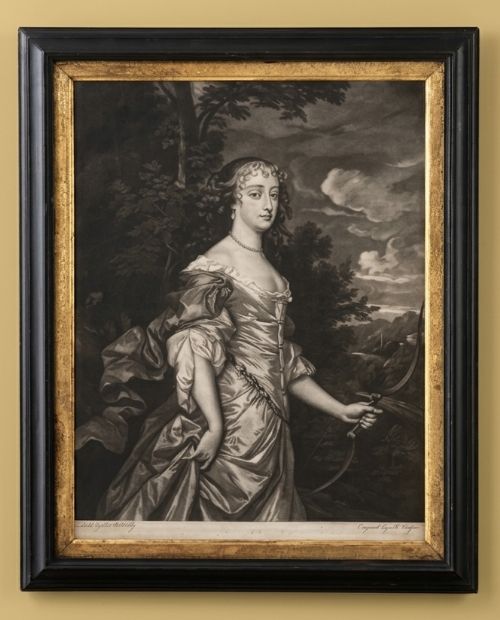
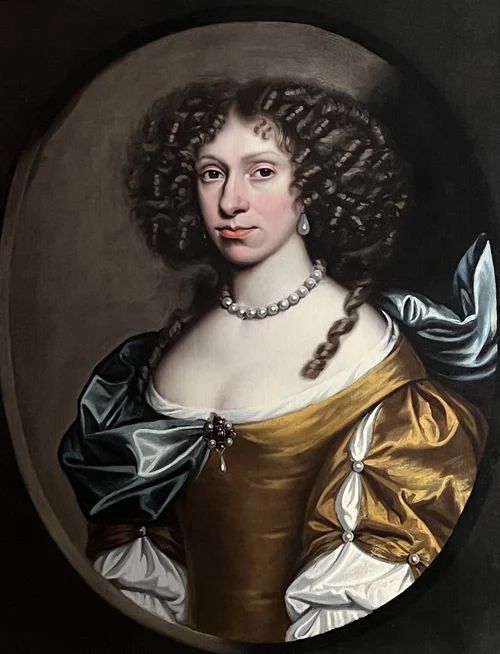
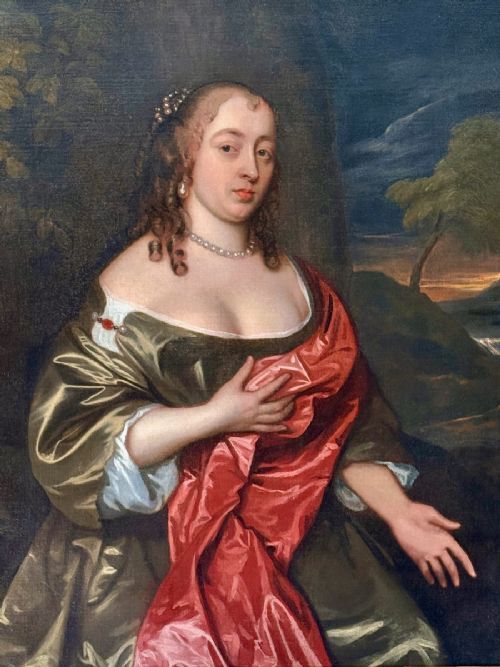
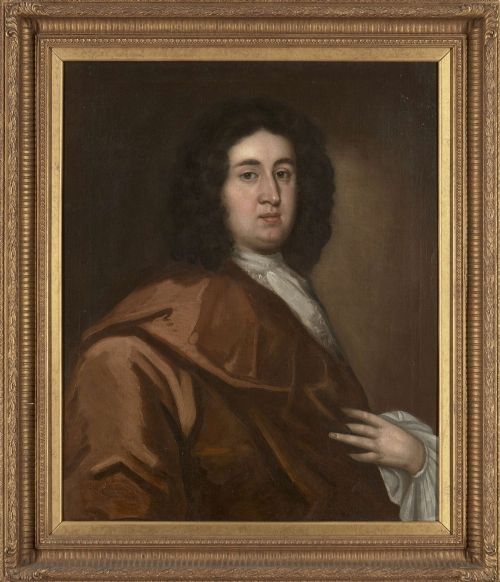
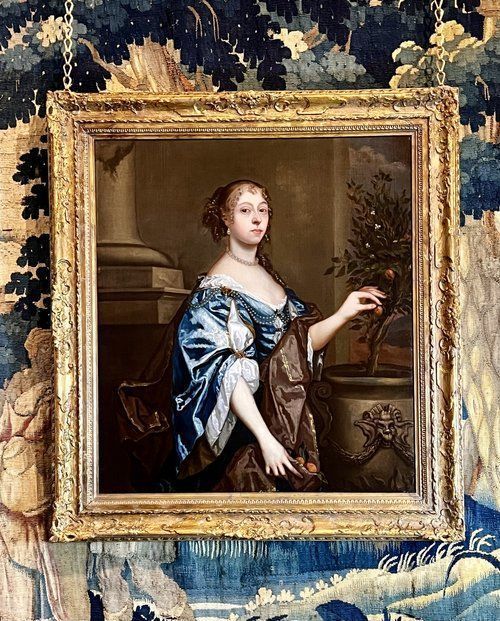
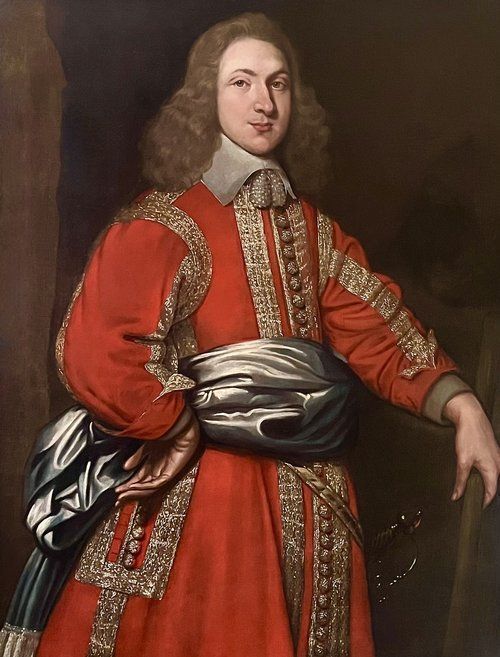
Restoration portrait art encompasses oil paintings, portrait miniatures, and mezzotints depicting noblemen, ladies, and military officers from the seventeenth century and the Stuart era. These works capture notable figures, court circles, and private citizens through formal portraiture, half-length poses, and garden terrace settings.
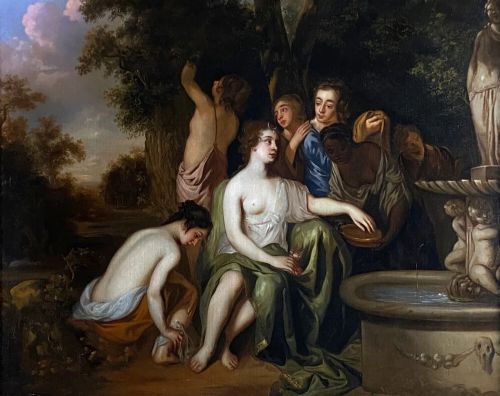
The pieces available on this page lean heavily towards seventeenth-century English, Anglo-Dutch, and continental schools operating under Baroque and Restoration styles. Canvas works and panel portraits dominate the selection, alongside prints and engravings produced after major painters of the period.
How the pieces were made
Makers applied oil paint to canvas, building up rich fabrics such as satin, silk, and velvet with layered pigments and glazes. Many works utilise wood stretchers and incorporate original frames finished in giltwood or gold leaf.
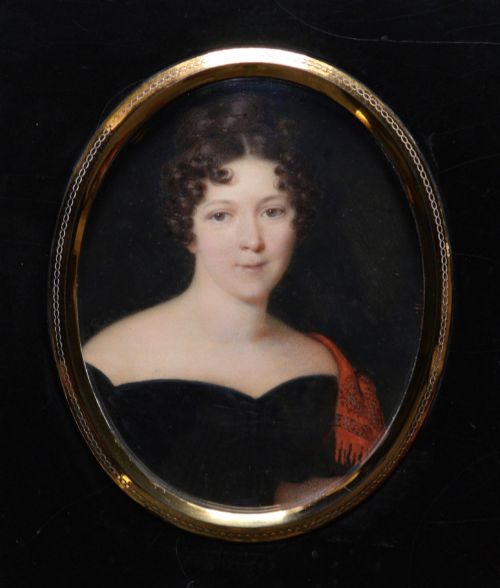
Printmakers employed techniques like mezzotint on paper to reproduce famed canvases by contemporary masters, while artists working on miniature portraits utilised watercolour and graphite on paper or delicate surfaces.
Listings feature seventeenth-century oil paintings on canvas alongside eighteenth-century mezzotints and nineteenth-century portrait miniatures on paper.
What varies in quality
The distinction between workshop execution and direct studio output defines the upper echelons of this category. Pieces attributed directly to recognised portraitists or their immediate circle command greater attention than anonymous provincial school paintings.
The sophistication of costume rendering, facial expression, and background landscape detail indicates the skill of the painter. Original frames, particularly period coronet or carved giltwood examples, elevate the preservation and integrity of the piece.
Sir Peter Lely·John Greenhill·Mary Beale·John Scougall·John Michael Wright
The Restoration Portrait Art Glossary
- Mezzotint
- A printmaking process where the copper plate is roughened to achieve dark tones and subtle graduations of light. This method allowed printmakers to accurately translate rich oil paintings onto paper.
- Studio of
- A designation indicating the work was produced in the workshop of a master artist, often under their direct supervision or utilising their established compositions.
- Baroque
- An artistic style prevalent in the seventeenth century characterised by drama, rich colour, and grand scale. Portraiture from this era emphasises elaborate costume and theatrical lighting.
- Provenance
- The documented history of ownership of an artwork, tracing its journey from past collections to the present day. Solid provenance adds verifiable historical context to a portrait.
- Portrait miniature
- A small-scale painting executed with fine detail, typically on vellum, card, or paper. These intimate works were often housed in protective cases or lockets.
Restoration Portrait Art: Frequently Asked Questions
What is restoration portrait art?
Restoration portrait art comprises paintings and prints depicting subjects from the seventeenth-century Stuart and Restoration eras. These pieces typically portray aristocracy, military officers, and prominent families in formal attire.
Subjects are often rendered in half-length poses, wearing elaborate garments such as satin sleeves and armour. The category spans original oil paintings on canvas as well as contemporary mezzotint engravings.
Who painted these portraits?
Works in this category were produced by prominent court painters, regional British schools, and continental artists working in England and Scotland. Prominent figures include Sir Peter Lely, John Greenhill, and Mary Beale.
Many listings attribute pieces to the circle, studio, or followers of these master portraitists. These workshops trained apprentices who executed commissions in the established style of the period.
How were these portraits displayed?
Original seventeenth-century portraits hung in country houses, estate galleries, and administrative chambers to project status and lineage. They served as visual records of family heritage and political allegiance.
Today, collectors display these works in traditional home interiors, often pairing them with period furniture and giltwood frames. Proper placement avoids direct sunlight to protect the oil paint and canvas.
How do you date a portrait?
Dating relies heavily on the subject's costume, hair style, and collar design, which changed rapidly across the seventeenth century. Armour, lace cravats, and silk gowns offer specific chronological markers for experts.
Inscriptions on the canvas, artist signatures, sitters' stated ages, and historical documentation further refine the date of execution. Stylistic comparisons with dated works by the same studio provide additional confirmation.