

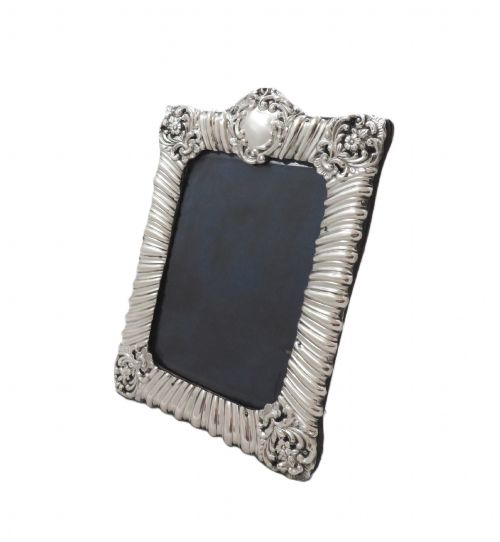
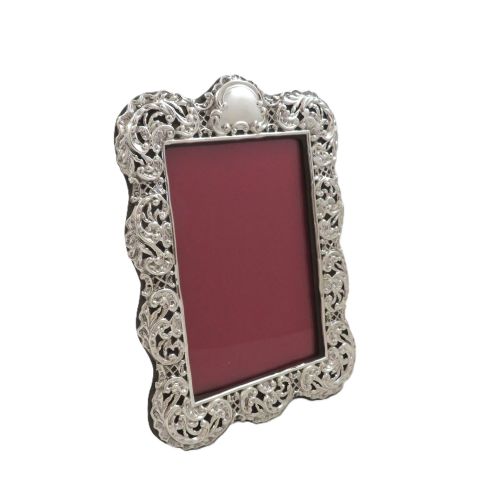
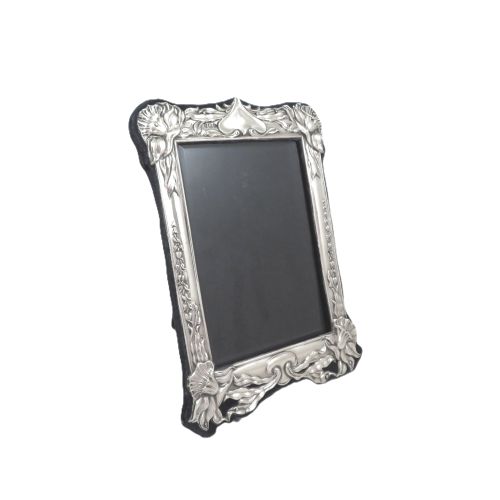
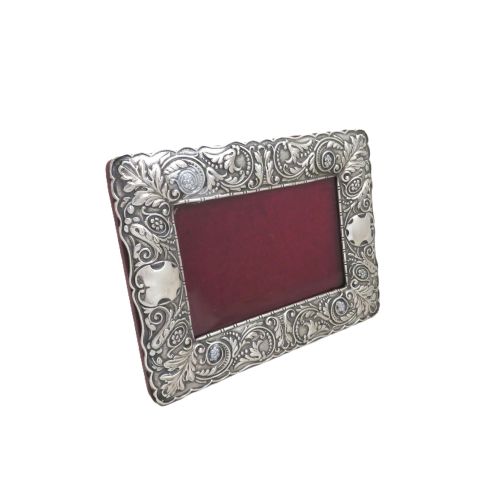
Repousse Sterling Silver Frame
A repousse sterling silver frame brings tactile metalwork and timeless portraits together on a dressing table.
Repousse Sterling Silver Frame
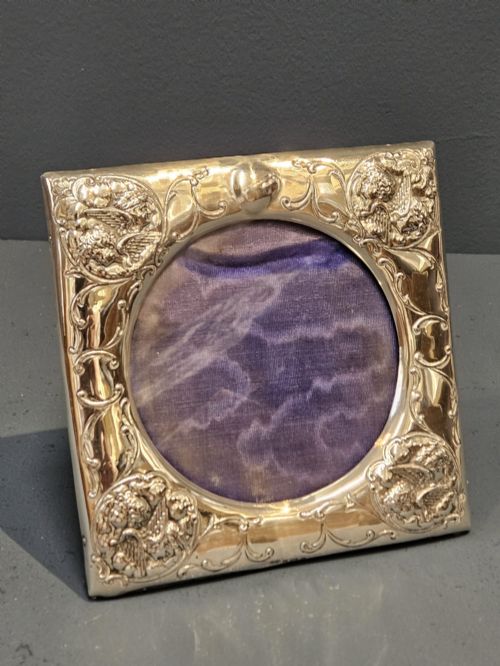
A repousse sterling silver frame serves primarily as a domestic holder for photographs, pictures, and mirrors displayed on tabletops.
Most examples found here date from the Victorian and Edwardian eras, spanning the late nineteenth and early twentieth centuries.
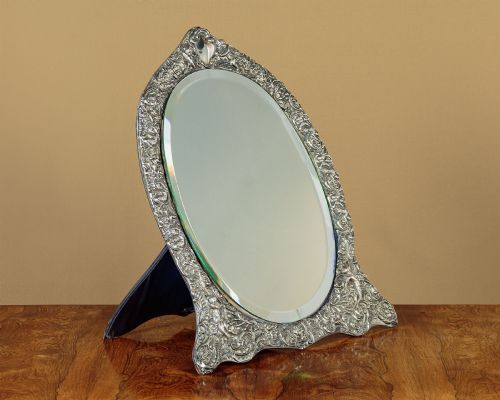
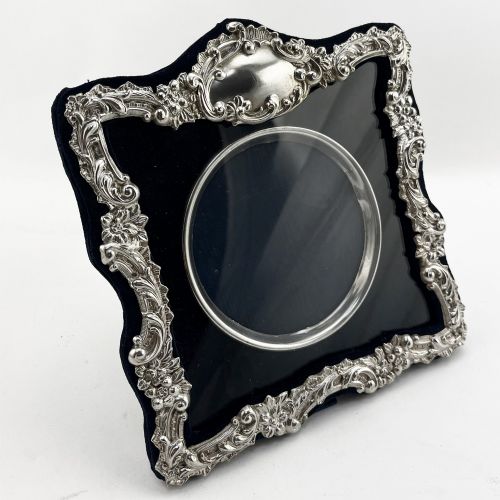
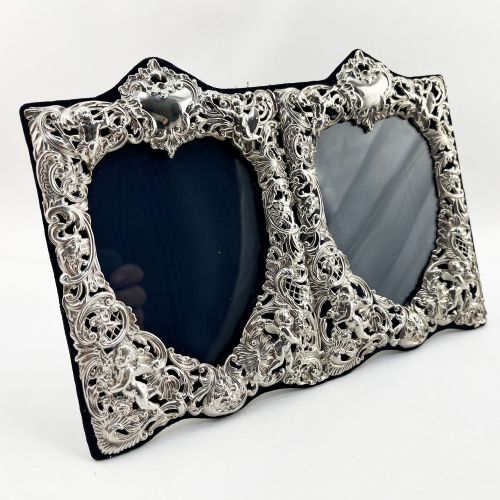
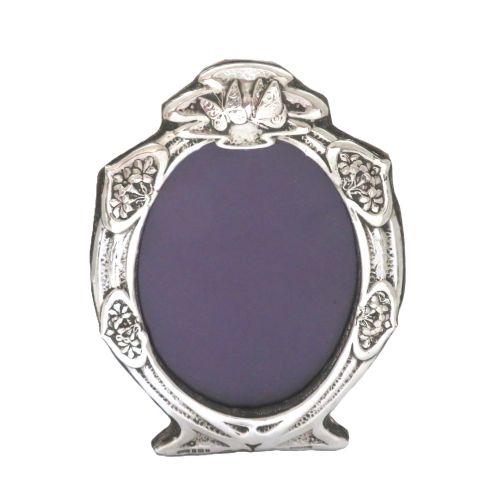
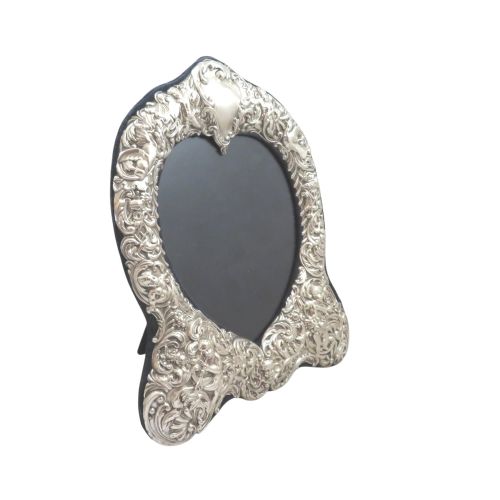
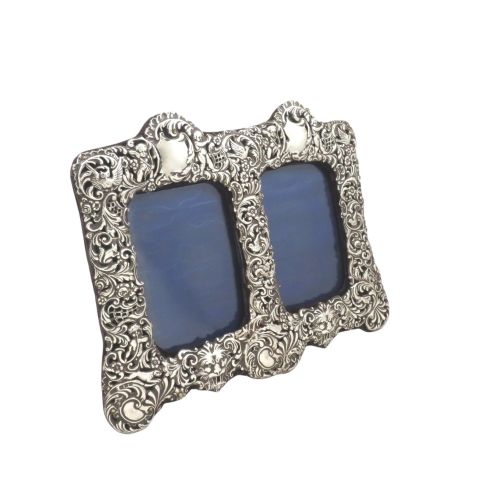
Makers shaped these objects into various formats, including single rectangles, double hearts, and large easel-supported dressing table mirrors.
Materials and Techniques
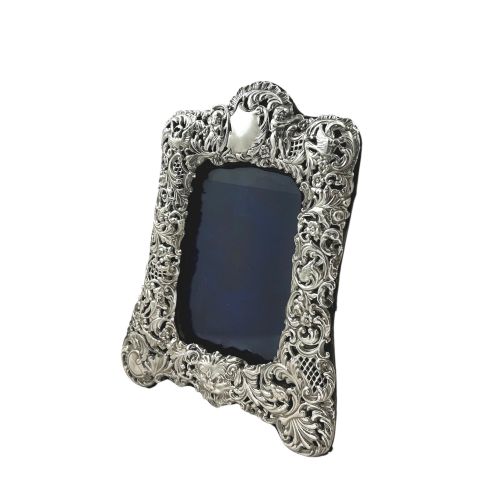
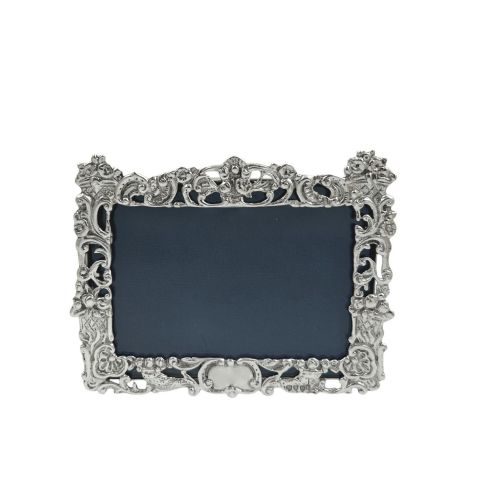
Silversmiths hammered sheets of sterling silver from the reverse side to push the metal outward into high-relief decorative motifs.
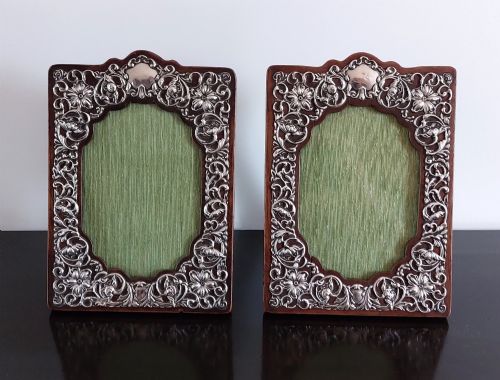
Makers integrated supporting structures of wood, oak, velvet, silk, and fabric behind the silver to give the picture holders rigidity.
Glazing panels of glass protected the photographs and mirrors held within the embossed metal borders.
Repousse Sterling Silver Frame Retail Price Guide 2026
Typical asking prices for repousse sterling silver frame among the pieces listed under this phrase on Sellingantiques today, from the lower quarter to the upper quarter. They describe what is for sale here now, not the wider market.
Common motifs embossed onto the silver mounts feature cherubs, birds, owls, butterflies, and floral ribbons.
Evaluating Quality
The depth, crispness, and complexity of the hammered relief ornament distinguish finer specimens from simpler embossed productions.
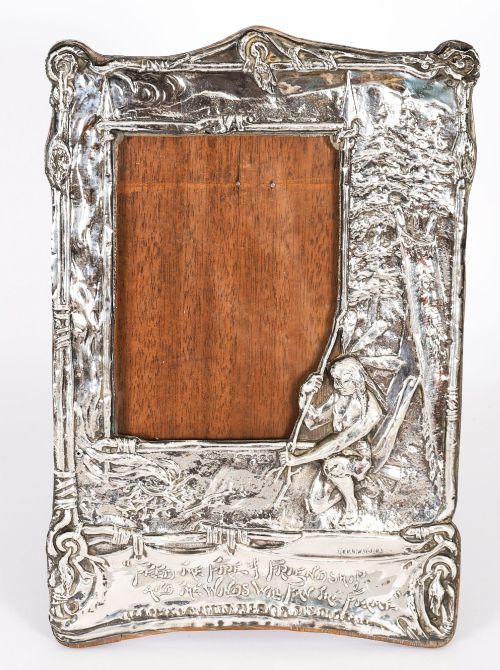
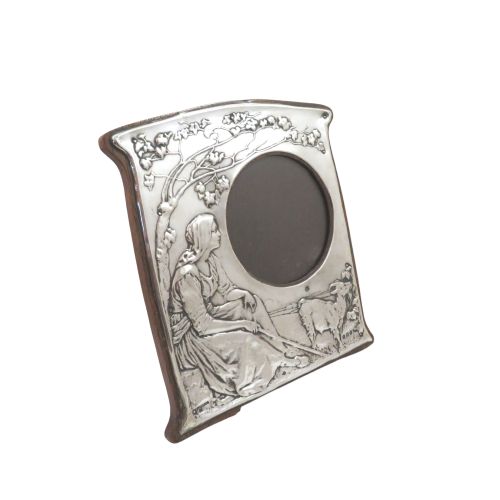
The inclusion of distinct figurative subjects, such as cherubs, animals, birds, or human figures, indicates a higher level of artisan skill.
Substantial physical scale and the presence of complete original backing materials elevate the status of a piece.
William Comyns·Henry Matthews·Walker and Hall
The Repousse Sterling Silver Frame Glossary
- Repousse
- A metalworking technique where the smith hammers the design from the reverse side to create a raised pattern on the front. This method gives the metal its tactile, three-dimensional quality.
- Sterling silver
- An alloy containing a high proportion of pure silver combined with other metals for durability. British pieces typically bear hallmarks certifying this standard.
- Easel mirror
- A tabletop looking glass supported by a hinged rear leg for upright display. These items often mirror the decorative borders of contemporary photograph holders.
- Rococo Revival
- A nineteenth-century design style marked by asymmetric scrollwork, floral abundance, and curving ornamentation. This aesthetic heavily influences many Victorian embossed silver borders.
- Art Nouveau
- An international style popular around the turn of the twentieth century featuring flowing lines inspired by natural forms. Frames from this period often incorporate stylized plant motifs and insects.
Repousse Sterling Silver Frame: Frequently Asked Questions
How do I clean a silver frame?
Use a soft cloth and a gentle silver polish formulated to lift tarnish without abrading the raised metalwork. Avoid getting cleaning agents onto the fabric or wood backing materials.
Take care around the recessed areas created by the hammering technique so that polish residue does not accumulate in the crevices of the design.
What sizes do these frames come in?
Dimensions range from small compact ovals and hearts measuring under ten centimetres to large display mirrors and double-opening hinged pieces.
Larger formats often require sturdy wooden struts at the back to support the weight of the metal and glass.
Can I replace the glass safely?
Glass panels are generally held in place by small metal tabs attached to the inner bezel of the silver mount. Bending these tabs requires patience to prevent snapping the aged metal.
Take measurements of the rebate depth before cutting replacement glass to ensure the sandwich of photo, backing, and glass fits correctly.
How do I date a silver frame?
British pieces carry hallmarks stamped directly into the silver, typically indicating the assay office city, the sterling standard, and a date letter code. Consulting assay office charts links the letter to a specific year of manufacture.
Stylistic markers, such as curving plant tendrils for the turn of the century or heavy scrolls for Victorian items, provide secondary confirmation.