


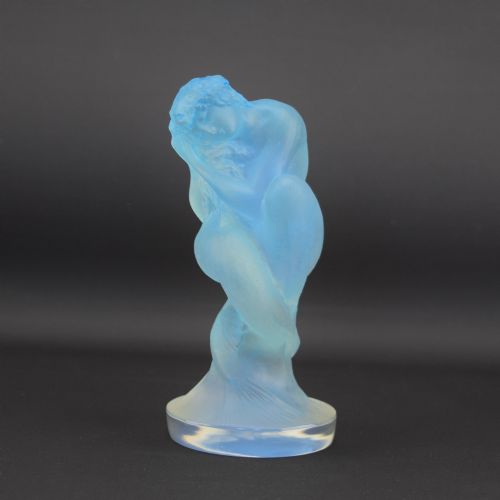
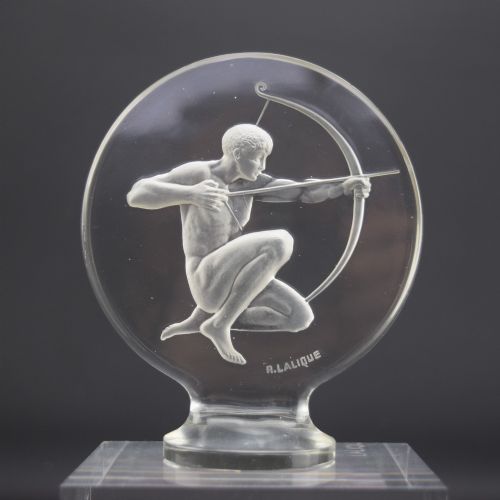


Rene Lalique Mascot
A rene lalique mascot brings Art Deco spirit to glass, combining motoring history with exquisite sculptural form.
Rene Lalique Mascot
The rene lalique mascot category comprises sculptural glass objects originally designed to mount on motor car radiators during the early twentieth century. Many examples double as decorative paperweights due to their heavy moulded form and flat bases. These pieces stem predominantly from the nineteen twenties and nineteen thirties during the height of the Art Deco movement.
Collectors frequently encounter animal subjects across this group, including birds, fish, and mammals rendered in distinct styles. Specific forms include the Moineau Hardi, Sirene, Tete d'Aigle, and Toby elephant. Each object captures motion and character through the medium of glass.
How they were made
Makers utilised pressed and moulded glass techniques to shape complex three-dimensional animal and human figures. Molten material was forced into metal moulds to achieve the sharp contours required for automotive ornaments. Artisans finished the surfaces through polishing and texturing.
Clear, frosted, opalescent, and topaz glass define the palette of these works. The interplay of transparency and opacity highlights the intricate details carved into the glass body. Chemical treatments produced the signature opalescent effects that catch the light from different angles.
Rene Lalique Mascot Retail Price Guide 2026
Typical asking prices for rene lalique mascot among the pieces listed under this phrase on Sellingantiques today, from the lower quarter to the upper quarter. They describe what is for sale here now, not the wider market.
Drivers once let wild boars and frogs lead the way across Europe, strapped firmly to the front of their motor cars.
What varies in quality
The depth of the moulding and the crispness of the detailing distinguish exceptional pieces from standard examples. Superior specimens retain sharp facial expressions and feather or scale definition without blurring in the glass. The subtlety of the opalescence also influences the visual impact of the object.
The choice of glass coloration, such as topaz or rich opalescent tones, alters the presence of the sculpture. Pieces that successfully integrate the mounting hardware or retain their original sculptural proportions command greater attention. The fidelity to the designer's original Art Deco vision governs overall desirability.
Rene Lalique
The Rene Lalique Mascot Glossary
- Car mascot
- A sculptural ornament mounted on the radiator cap of a motor car during the early twentieth century. These objects served both decorative and aerodynamic functions.
- Opalescent glass
- Glass that displays a milky blue-white appearance in transmitted light and a warm yellowish-red appearance in reflected light. This optical property creates shifting colour effects across the surface.
- Frosted glass
- Glass treated to scatter light and produce a textured, non-transparent surface. This finish emphasises the contours and shadows of moulded figural subjects.
- Moulded glass
- Glass shaped by pressing molten material into a metal or ceramic matrix. This technique allowed for the mass production of consistent sculptural forms.
- Topaz glass
- A specific warm amber-yellow coloured glass used by the maker for distinct decorative objects and mascots. It imparts a rich, golden hue to the figural subject.
Rene Lalique Mascot: Frequently Asked Questions
What is a rene lalique mascot?
A rene lalique mascot is a glass sculpture originally designed to adorn the radiator caps of motor cars during the nineteen twenties and nineteen thirties. These objects embody the Art Deco aesthetic through stylized animal and human figures.
Today, collectors prize them as desktop sculptures and paperweights. Their heavy glass construction and artistic merit elevate them far beyond their original automotive purpose.
How were these mascots used?
Motorists mounted these glass figures on the front grilles of their automobiles as personal statements of style and speed. Drivers could illuminate some models from below using specialised radiator fittings.
When cars fell out of fashion for this type of decoration, owners repurposed the figures for interior display. Many survive today functioning as desk ornaments and paperweights.
What materials did the maker use?
The maker relied on high-quality glass produced through pressing and moulding techniques. Variations include clear, frosted, opalescent, and topaz coloured glass.
Each material choice affects how light interacts with the sculptural form. Opalescent and frosted variants are particularly noted for highlighting fine details.
Are these pieces from the Art Deco period?
Yes, these objects belong firmly to the Art Deco era of the nineteen twenties and nineteen thirties. Their stylized forms and sleek geometric underpinnings reflect the modern design sensibilities of that time.
Makers embraced streamlined shapes and industrial materials to create luxurious items for affluent motorists. This aesthetic remains the defining characteristic of the category.