







Renaissance Wooden Panel
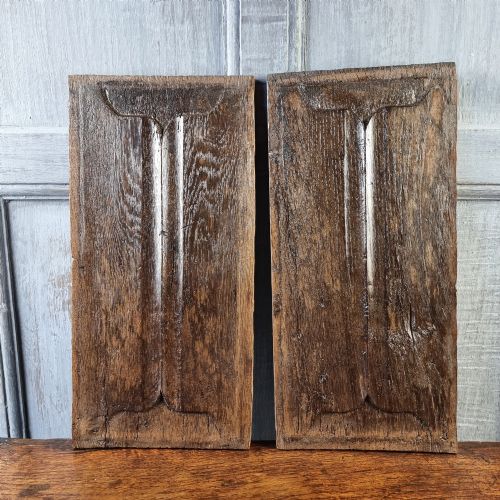
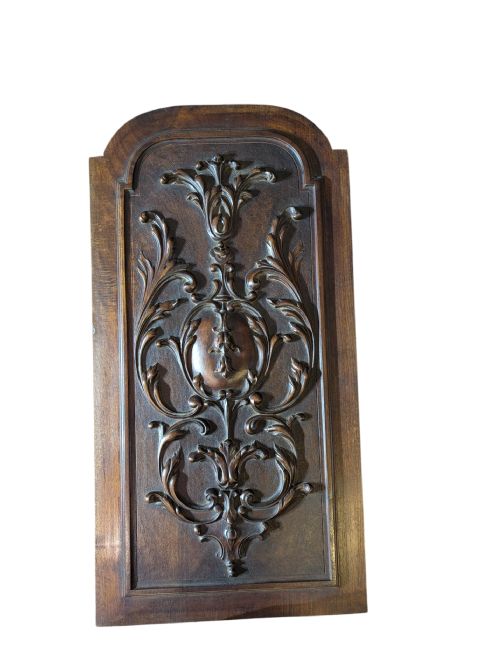
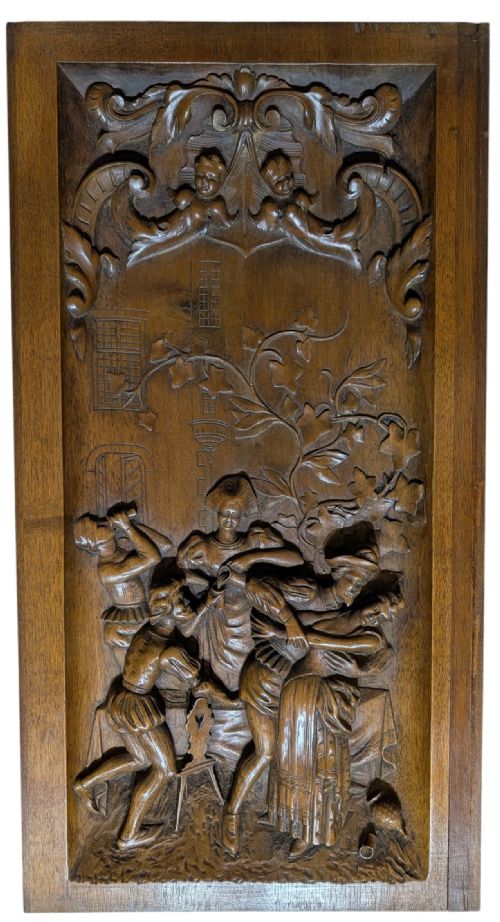
A renaissance wooden panel brings centuries of carved history indoors, offering solid oak or walnut surfaces rich with linenfold patterns and figural reliefs.
Renaissance Wooden Panel
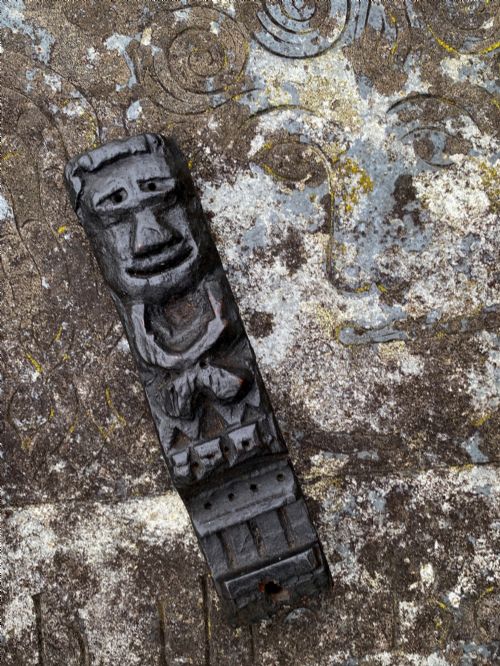
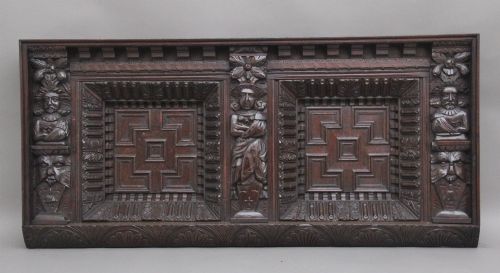
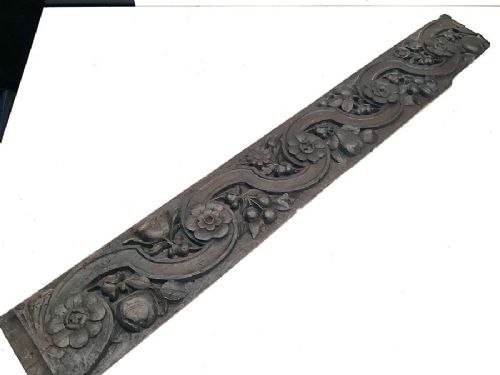
Forms vary from flat architectural wall panels and overmantles to three-dimensional figural reliefs and decorative carvings depicting religious and secular subjects. Many pieces originate from British and continental European workshops, reflecting Tudor, Jacobean, and Italian design influences. Buyers utilise these architectural elements to anchor modern interior schemes with authentic historical texture.
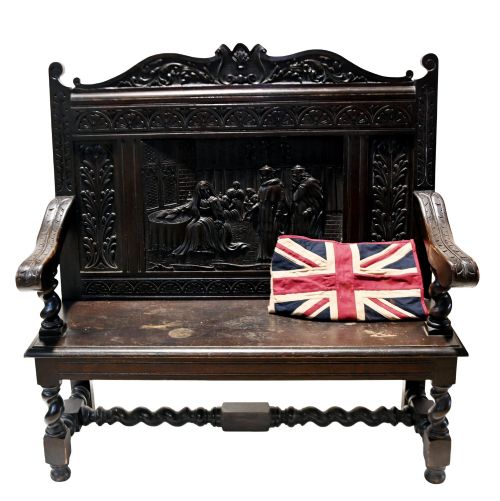
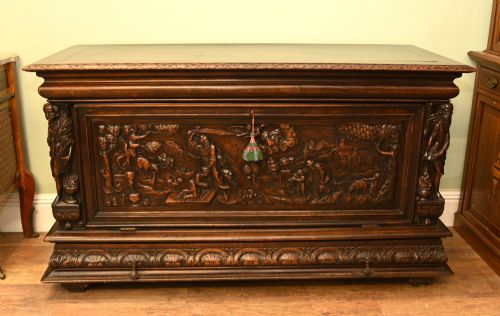
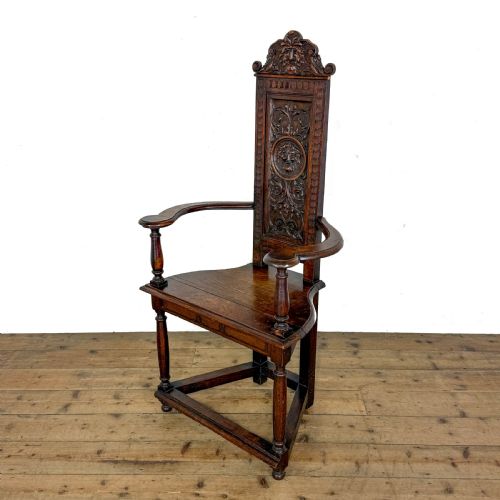
Alongside dedicated wall panels, the listings include related items such as coffers, chests, armchairs, and architectural salvage that share the same carved vocabulary. These objects demonstrate how decorative woodwork functioned within historic domestic spaces, moving from static wall installations to movable furniture. Each piece preserves the physical marks of its original function and subsequent age.
What varies in quality
Depth of carving and clarity of detail separate standard decorative elements from exceptional sculptural works. Superior examples display confident undercut work and expressive figural anatomy, whereas lesser pieces rely on shallow surface incisions and repetitive stamping. The crispness of linenfold folds and the naturalistic drape of carved drapery indicate the carver's anatomical skill.
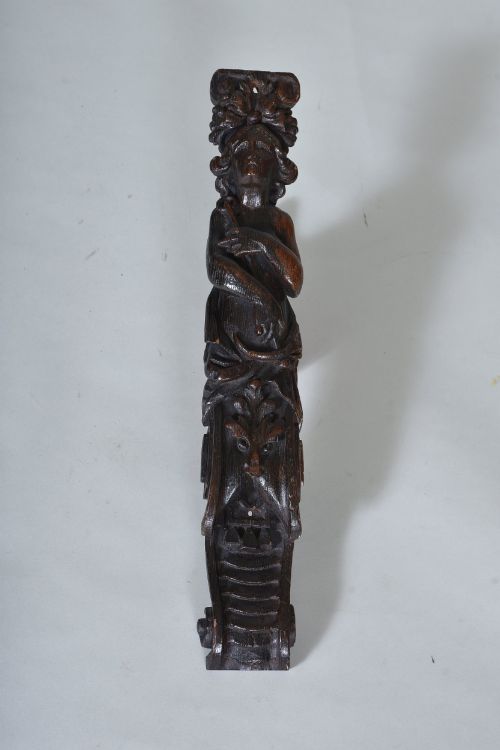
The integrity of the original timber surface and the retention of early polychrome paint or gilding significantly influence the desirability of a panel. Pieces that retain their original dry surface patination without excessive modern intervention offer greater historical authenticity. Furthermore, the complexity of the subject matter, such as narrative religious scenes or well-executed caryatids, distinguishes masterworks from standard architectural salvage.
Renaissance Wooden Panel Retail Price Guide 2026
Typical asking prices for renaissance wooden panel among the pieces listed under this phrase on Sellingantiques today, from the lower quarter to the upper quarter. They describe what is for sale here now, not the wider market.
Icilio Federico Joni
The Renaissance Wooden Panel Glossary
- Linenfold
- A style of carved wooden panelling that resembles folded fabric, popular during the Tudor and Elizabethan periods. This motif creates a textile-like texture across flat wooden surfaces.
- Poly-chrome
- Painted in several colours, often found on historic wood carvings and religious figures. This decorative technique added vibrancy and realism to carved timber.
- Overmantle
- A decorative structure placed above a fireplace mantelpiece, frequently incorporating carved wooden panels or mirrors. These elements formed the visual focal point of period reception rooms.
- Caryatid
- A sculpted female figure serving as an architectural support instead of a column or pilaster. Renaissance carvers adopted this classical motif for furniture terminals and overmantles.
- Caquetoire
- A type of light sixteenth-century armchair designed for conversation, featuring a narrow triangular seat and high panelled back. These chairs are characteristically constructed from solid walnut or oak.
- Tavolette
- Painted wooden book cover bindings, historically associated with Sienese administrative records. These panels showcase miniature tempera artistry on wood.
Renaissance Wooden Panel: Frequently Asked Questions
How do I hang a heavy wooden panel safely?
Heavy carved panels require secure wall fixings distributed across structural studs or masonry rather than relying on decorative surface brackets alone. Professional mirror plates screwed directly into the rear timber frame provide adequate load-bearing support for heavier oak and walnut pieces.
Consulting a specialist installer ensures the weight of the sculpture distributes evenly without placing undue strain on historic joinery or ancient wood fibres.
Are these panels suitable for bathroom installation?
Historic timber panels and architectural salvage react poorly to sustained moisture and fluctuating humidity levels found in bathrooms. Excess water vapour causes unsealed oak and walnut to warp, split, and degrade fragile polychrome paint or gold leaf.
Displaying these works in stable living areas or hallways protects the original patination and prevents structural timber movement.
How do I clean historic carved wood?
Maintenance requires only a soft, dry natural bristle brush or a clean microfibre cloth to gently remove accumulated dust from deep crevices. Liquid cleaners, polishes, and commercial sprays strip the aged surface wax and can permanently damage exposed tempera or painted elements.
Professional conservation wax applied sparingly preserves the timber without altering the authentic dry finish acquired over centuries.
How can I tell a sixteenth-century panel from a nineteenth-century revival piece?
Sixteenth-century panels display tool marks consistent with early hand-forged irons, coupled with deep timber shrinkage, insect flight holes, and dry hand-planed backs. Revival pieces from the Victorian and Edwardian eras often reveal mechanical saw marks, uniform machine-cut joints, and lighter modern wood weights.
Comparing the botanical grain and patination against documented examples helps confirm the actual period of manufacture.