



Renaissance Wood Coffer
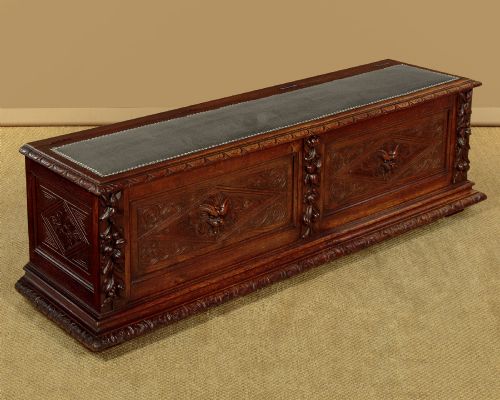
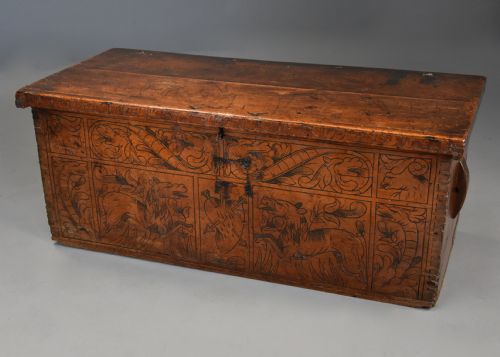
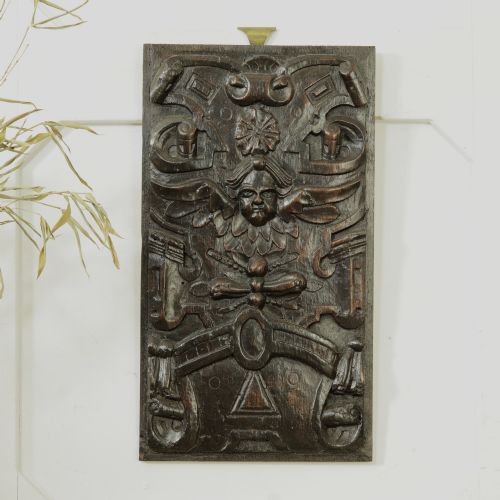
These renaissance wood coffer items are substantial storage pieces and carved panels carrying centuries of hand-worked detail.
Renaissance Wood Coffer
A renaissance wood coffer serves as both a functional storage container and a significant historical artefact, often appearing on this page as sturdy oak chests or intricately carved panels. Buyers seeking these items encounter robust forms originating from sixteenth and seventeenth-century European workshops, alongside later nineteenth-century revival interpretations.
The selection ranges from comprehensive coffer fronts and iron-mounted Nuremberg caskets to large Italian cypress and walnut cassone chests. Alongside these primary receptacles, related forms such as oak hall benches, high-back settles, and architectural wall reliefs frequently appear within the listings.
Materials and construction methods
Construction relies heavily on durable timbers like solid oak, walnut, and cypress, which were selected for their structural stability and capacity to hold deep hand-carving. Artisans employed traditional joinery techniques to frame panels and assemble heavy lids designed to protect valuables.
Metalwork played a crucial structural and decorative role, incorporating iron hinges, wrought iron mountings, and brass details to reinforce corners and secure lids. Surface treatments ranged from natural waxed patinas to giltwood and polychrome decorations on Italian cassone chests.
Renaissance Wood Coffer Retail Price Guide 2026
Typical asking prices for renaissance wood coffer among the pieces listed under this phrase on Sellingantiques today, from the lower quarter to the upper quarter. They describe what is for sale here now, not the wider market.
Distinctions in quality and execution
Quality rests in the depth, crispness, and spatial command of the high-relief carving, where skilled hands produce fluid drapery and distinct figures rather than shallow, mechanical repetition. The integrity of the original timber surface and the survival of untouched patinas elevate examples above heavily restored pieces.
The sophistication of the joinery and the harmonious integration of secondary materials, such as wrought iron hardware or remnants of original gilding, distinguish masterwork chests from provincial or later revival workshop output.
The Renaissance Wood Coffer Glossary
- Cofer
- A heavy wooden chest traditionally used for storing valuables, clothing, or documents before the widespread use of wardrobes.
- Cassone
- A grand Italian marriage chest, often elaborately carved, painted, or gilded, used to transport a bride's dowry.
- Linenfold
- A style of wood carving that imitates folded linen, popular on sixteenth-century panels.
- Casket
- A smaller, highly decorated box, frequently reinforced with iron or brass straps, used for precious items.
- Settle
- A wooden bench with a high back, solid arms, and often a storage compartment beneath the seat.
Renaissance Wood Coffer: Frequently Asked Questions
What is a renaissance wood coffer?
A renaissance wood coffer is a heavy, rectangular storage chest built during the sixteenth or seventeenth centuries, or recreated during later revival periods. These pieces feature dense timber construction and elaborate hand-carved panels.
They served primarily to store precious textiles, documents, and valuables in wealthy households. Today, they function as statement furniture pieces that offer practical storage.
How do I date a wood coffer?
Dating relies on examining the timber species, joinery methods, tool marks, and carving styles. Sixteenth-century pieces often display hand-split oak with pegged mortise and tenon joints.
Revival pieces from the nineteenth century may show mechanical saw marks or different secondary woods beneath the surface. Comparing the hardware style to documented examples also helps narrow the period.
Where were these coffers made?
Surviving examples originate from various European centres, including England, Germany, and Italy. Italian workshops frequently utilised walnut and cypress, while English and German makers predominantly worked in solid oak.
Regional carving motifs and construction quirks often point directly to the country of origin. Nuremberg was particularly famous for specialised iron-mounted caskets.
How do I care for antique wood?
Antique wood requires stable environmental conditions away from direct heat sources and dramatic humidity fluctuations. Excessive dryness can cause old timber and historic joints to shrink and split.
Applying a microcrystalline wax periodically helps nourish the surface and protect the original patina. Avoid modern liquid polishes that can penetrate open grain and alter the finish.