



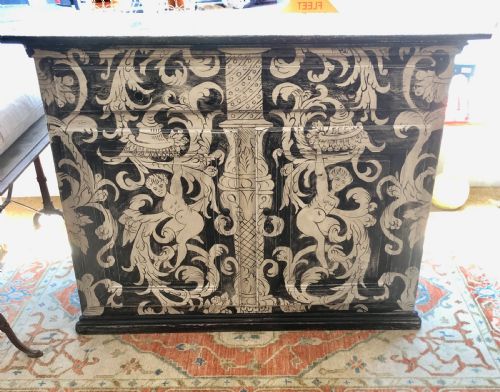


Renaissance Storage Cabinet
A renaissance storage cabinet brings heavy historic character into a room, offering grand proportion and intricate carving.
Renaissance Storage Cabinet
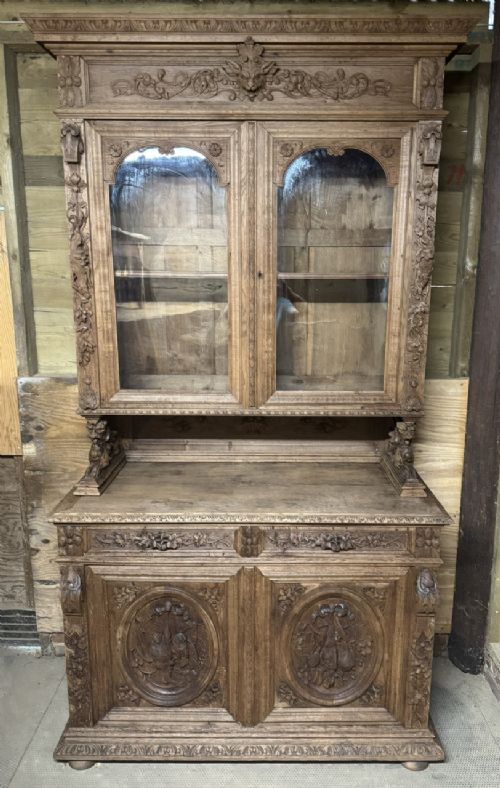
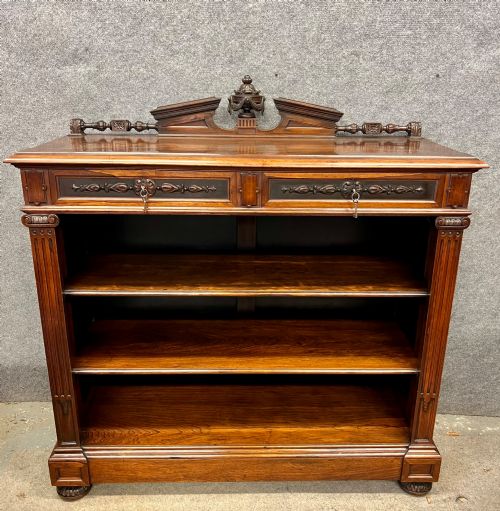
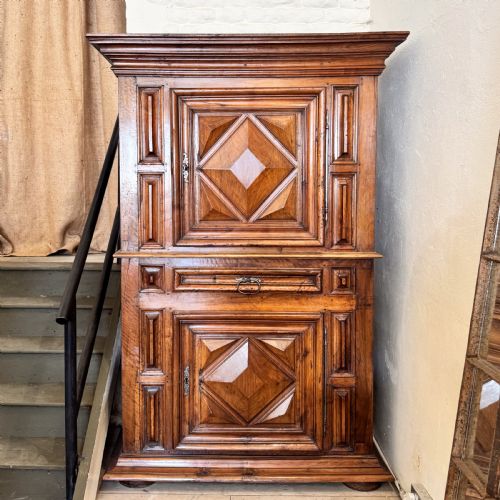
A renaissance storage cabinet encompasses large cupboards, sideboards, bookcases, and buffets built to make a dramatic statement in a room. These pieces draw on historic vocabulary, appearing primarily in nineteenth-century revivals alongside genuine sixteenth, seventeenth, and eighteenth-century examples.
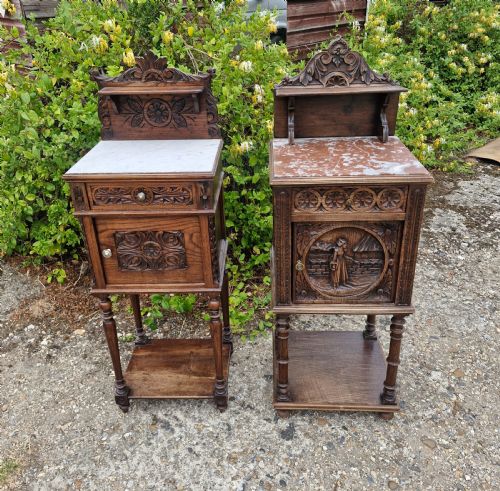
Buyers will encounter forms ranging from French hunting cabinets and Flemish hall cupboards to Italian walnut pieces. Walnut and oak dominate the selection, frequently enhanced by carved figures, cherubs, and marquetry inlay.
How they were made
Carpenters utilised solid oak and walnut to build these substantial frames, ensuring structural stability for heavy panels. Surfaces received deep hand-carving to create figures, grotesque details, and architectural mouldings.
Makers incorporated brass and iron hardware, glass panels for bookcases, and occasionally marble or ebonised wood elements. Marquetry inlay added contrasting wood tones into the dense timber surfaces.
Renaissance Storage Cabinet Retail Price Guide 2026
Typical asking prices for renaissance storage cabinet among the pieces listed under this phrase on Sellingantiques today, from the lower quarter to the upper quarter. They describe what is for sale here now, not the wider market.
Listings feature pieces spanning from the sixteenth century through the Victorian era and into nineteen hundred.
What varies in quality
The depth and precision of the hand-carving separate standard revival items from exceptional sculptural works. Crisp detailing in figures like cherubs and green men indicates superior craftsmanship.
Timber selection and the integration of marquetry create distinction across pieces. Fine grain alignment in walnut and oak anchors the visual weight of large cupboards and sideboards.
Gordovil Spain·Melissa White
The Renaissance Storage Cabinet Glossary
- Renaissance Revival
- A nineteenth-century style drawing heavily on sixteenth-century architectural and sculptural motifs. It brings monumental scale and deep relief carving to domestic furniture.
- Marquetry
- The art of applying small pieces of veneer to a structure to form decorative patterns. Craftsmen use contrasting woods to create intricate pictorial designs on cabinet doors.
- Grotesque
- A style of decorative painting or sculpture featuring fantastical human and animal forms intertwined with foliage. It appears frequently on French and Italian revival pieces.
- Bambocci
- Small carved figures or grotesque carvings applied to furniture, particularly associated with Italian cabinets. These figures add lively character to architectural door panels.
- Drop front
- A hinged desk panel that folds down to create a writing surface. This mechanism allows a cabinet to function as a compact bureau.
Renaissance Storage Cabinet: Frequently Asked Questions
What is a renaissance storage cabinet?
A renaissance storage cabinet is a substantial piece of furniture designed for heavy domestic storage, often featuring architectural mouldings and sculptural carving. These items draw on sixteenth and seventeenth-century design principles.
They appear frequently in nineteenth-century revival interpretations utilising solid oak and walnut. Common forms include sideboards, buffets, bookcases, and hall cupboards.
How were these cabinets used?
These cabinets served to store household silver, linens, and provisions in grand dining rooms and halls. Tall cupboards and sideboards kept valuable possessions secure behind heavy panelled doors.
Bookcases and glazed display cabinets later accommodated libraries and collections. Drop-front variations provided a concealed writing surface for correspondence.
How do I fit one into a modern room?
A renaissance storage cabinet demands significant wall space and floor clearance due to its massive proportion and dark timber tones. Position the piece against a neutral wall to let the carved details stand out clearly.
Balance the heavy visual weight of the wood by pairing it with streamlined contemporary seating or simple lighting. Ensure the floor can support the substantial weight of solid oak or walnut construction.
How do I tell periods apart?
Sixteenth and seventeenth-century pieces display authentic signs of age, hand-cut joinery, and patinated timber surfaces developed over centuries. Revival pieces from the nineteenth century often incorporate machine assistance alongside hand-carving.
Stylistic markers help identify the era, such as French hunting motifs or distinct Italian Baroque and Bambocci figures. Examining the hardware, hinges, and interior construction reveals the manufacturing period.