





Renaissance Storage Box
These pieces are a renaissance storage box, built for security and ceremony, carrying centuries of practical history into modern rooms.
Renaissance Storage Box
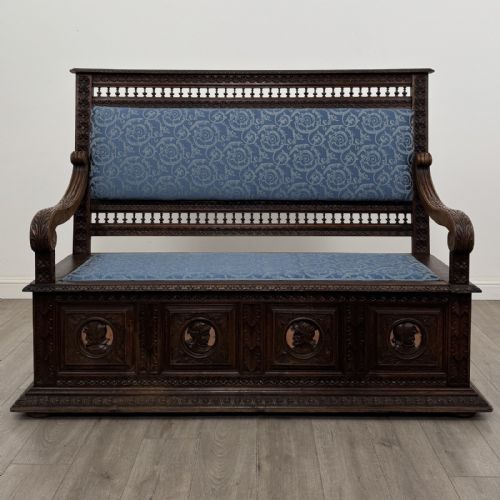
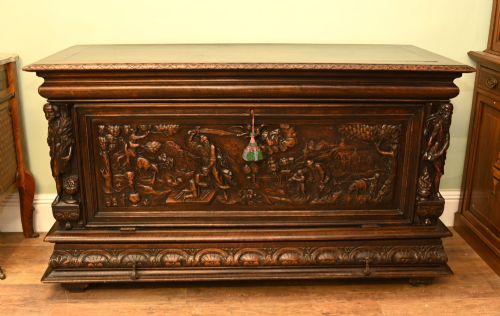
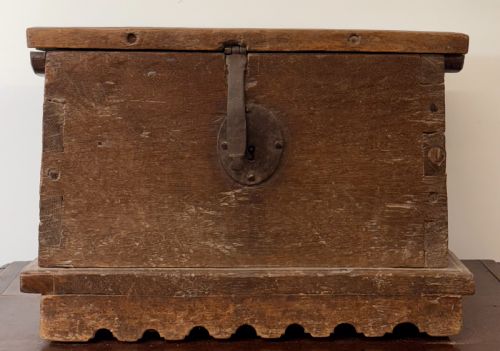
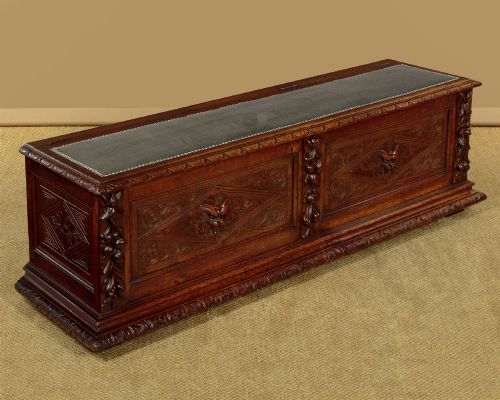
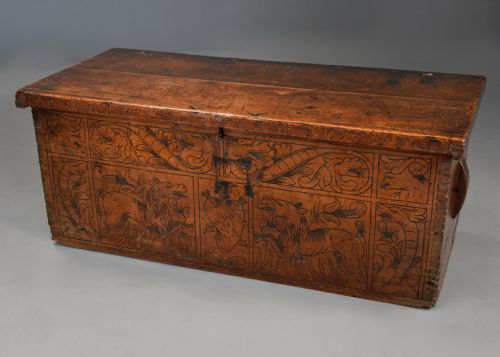
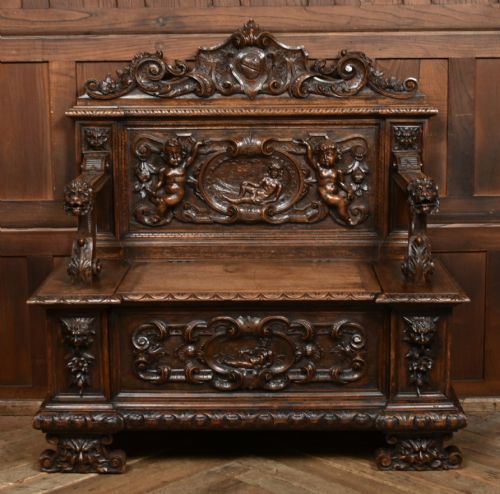
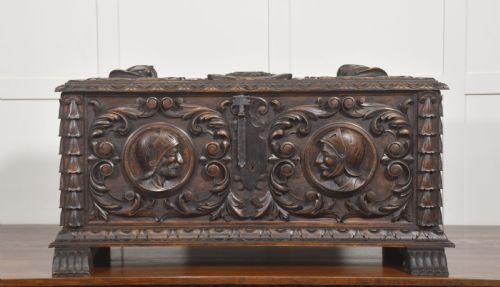
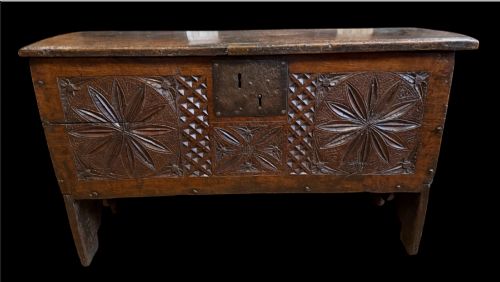
A renaissance storage box serves as a robust container for household goods, valuables, and textiles. When searching for a renaissance storage box, buyers encounter forms ranging from sturdy plank coffers to grand cassone chests and carved walnut benches.
The selection spans genuine sixteenth and seventeenth-century European pieces alongside nineteenth-century revival interpretations. Examples originate primarily from Italy, Flanders, and Spain, utilising dense hardwoods built to endure.
Makers constructed these pieces as heavy functional furniture, often featuring hinged lids and deep wells. Over time, these chests transitioned from utilitarian domestic storage to decorative focal points in period interiors.
Distinguishing quality and execution
The depth and crispness of the carved ornamentation separate standard workshop output from exceptional examples. Figural medallions, heraldic motifs, and intricate tracery demand advanced sculptural skill from the carver.
Integrity of surface patina and the survival of original hardware heavily influence the character of each piece. Superior items retain their authentic structural timber and early decorative finishes without excessive modern intervention.
Renaissance Storage Box Retail Price Guide 2026
Typical asking prices for renaissance storage box among the pieces listed under this phrase on Sellingantiques today, from the lower quarter to the upper quarter. They describe what is for sale here now, not the wider market.
The Renaissance Storage Box Glossary
- Coffer
- A heavy wooden box with a lid, traditionally used for storing valuables or documents. These sturdy containers often feature iron bands and locks for security.
- Cassone
- A large Italian chest intended for storing a bride's trousseau during the renaissance period. These grand pieces frequently display elaborate carving, gilding, or painted decoration.
- Cassapanca
- An Italian bench formed by combining a chest base with a high back and armrests. This dual-purpose furniture item offered both seating and secure storage.
- Patina
- The surface sheen and colour developed by wood and metal through age and handling. A desirable surface shows natural depth acquired over centuries of use.
- Revival
- A nineteenth-century style movement that copied historical aesthetics from earlier periods. Makers utilised sixteenth and seventeenth-century motifs to produce historically inspired furniture.
Renaissance Storage Box: Frequently Asked Questions
What were these boxes used for?
Historically, households utilised these heavy chests to store textiles, valuable documents, silver, and clothing. Their robust construction and iron locks kept contents secure from theft and damp conditions.
Over subsequent centuries, their role shifted towards display and seating, particularly with cassapanca benches that combined storage with a functional place to sit.
How do I date a wooden coffer?
Dating relies upon examining the construction techniques, tool marks, timber species, and stylistic motifs present on the piece. Sixteenth and seventeenth-century examples typically display hand-riven boards, pegged joints, and regional carving styles unique to their era.
Nineteenth-century revival pieces often incorporate machine-cut timber elements or stylistic combinations that reveal their later nineteenth-century production date.
Where should I place a heavy chest?
These substantial pieces anchor large hallways, living rooms, and bedroom spaces effectively. Placing them against a blank wall allows their carved fronts and panelled details to remain the visual focal point.
Ensure the placement avoids direct heat sources and strong sunlight to protect the aged timber and any original surface finishes.
How do I care for antique walnut?
Maintain antique timber by dusting gently with a dry, soft cloth and avoiding silicone-based polishes. Maintaining stable room humidity prevents the wood from drying out or splitting.
Applying a traditional beeswax feed periodically helps nourish the grain and preserves the historic surface patina.