




Renaissance Paper Art
Renaissance paper art gathers centuries of drawings, engravings, and maps on paper that bring classical forms and historical subjects into your rooms.
Renaissance Paper Art
When you search for renaissance paper art, you examine works on paper spanning from pre sixteenth century maps to nineteenth century studies after major masters. These pieces include framed drawings, engravings, and chromolithographs representing historical figures, mythological scenes, and architectural schemes.
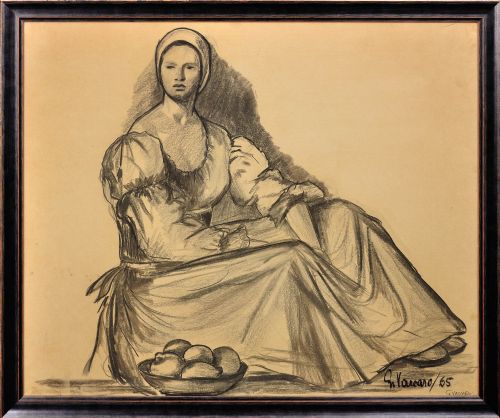
The selections available here lean heavily toward framed prints, detailed engravings, and portrait drawings executed in charcoal, chalk, or ink. Many items reflect later revivals such as Renaissance Revival and Tudor Revival styles, alongside original Italian pieces.
How they were made
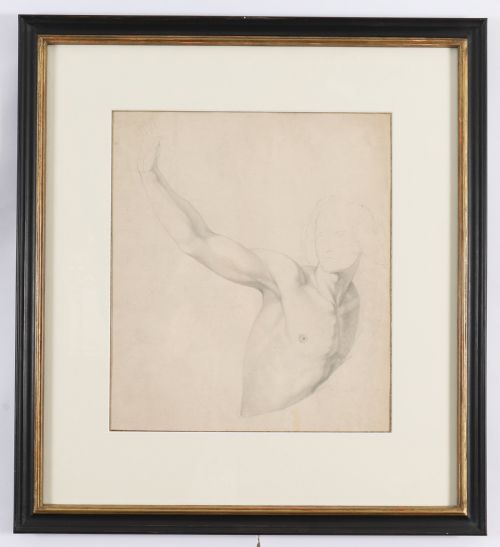
Makers utilised traditional papers of various weights, often pairing them with mediums such as graphite, pencil, sanguine, and ink to achieve tonal depth and fine linework. Printmakers employed engraving techniques on metal plates to produce sharp impressions of complex compositions.
Framed works combine these paper supports and printed sheets with protective glass and wooden framing, preserving fragile mediums against environmental damage over centuries.
Renaissance Paper Art Retail Price Guide 2026
Typical asking prices for renaissance paper art among the pieces listed under this phrase on Sellingantiques today, from the lower quarter to the upper quarter. They describe what is for sale here now, not the wider market.
What varies in quality
The quality of these works rests on the precision of the draughtsmanship and the clarity of the printed line in engravings. Stronger pieces show confident handling of form and anatomy in figural studies, whereas lesser examples lack that crisp definition.
Condition of the paper surface and the preservation of ink or chalk tones also differentiate standard decorative prints from finer collector pieces.
Braun and Hogenberg·Antonio Capellan·Ottaviani
The Renaissance Paper Art Glossary
- Engraving
- A printmaking technique where an artist cuts lines into a metal plate to hold ink. This method allows for high levels of detail in historical reproductions.
- Chromolithograph
- A multicoloured print produced through lithography using a series of stone plates. This technique recreates the vibrant palette of earlier paintings.
- Sanguine
- A red chalk drawing medium used extensively for figure studies and portraits. It provides a warm, earthy tone popular in classical art.
- Renaissance Revival
- A nineteenth-century style that revived the architectural and artistic forms of the fifteenth and sixteenth centuries. Pieces in this category imitate earlier masterworks.
Renaissance Paper Art: Frequently Asked Questions
What periods do these paper pieces cover?
The selection spans from pre sixteenth century cartography up to mid twentieth century interpretations of earlier masters. You encounter seventeenth and eighteenth century prints alongside nineteenth century revival works.
This broad timeline means both early maps and later academic studies sit within the same category.
How should I display framed paper art?
Keep framed drawings and engravings away from direct sunlight to prevent the fading of ink, chalk, and paper. Stable indoor humidity levels protect the fragile paper supports.
Glazing helps shield the delicate mediums from atmospheric dust and physical handling.
What is the difference between an engraving and a drawing?
An engraving is a printed multiple produced from a carved plate, capturing lines through inked impressions on paper. A drawing is a unique, direct application of mediums such as charcoal, pencil, or chalk.
Both forms appear frequently in historical paper collections.
Are these works original period items?
The inventory contains a mix of original historical prints from early centuries and later nineteenth and twentieth century revival pieces created after Renaissance masters. Each listing specifies the exact period and nature of the work.
Reading the individual title clarifies whether a piece is an early impression or a later study.