



Religious Carved Wood
Religious carved wood brings centuries of devotional craft into a room, offering tangible history through figures, panels, and altarpieces.
Religious Carved Wood
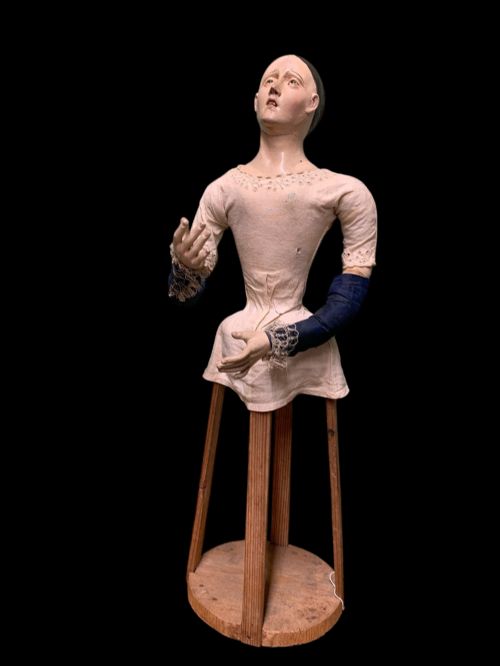
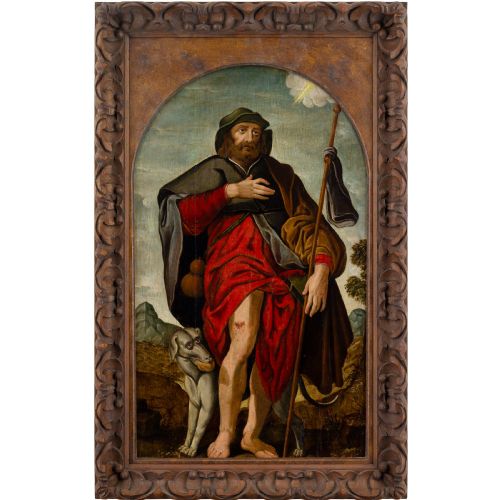
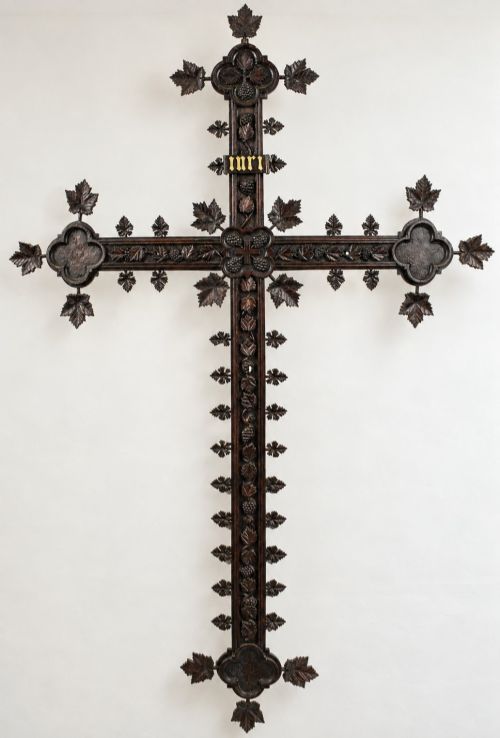
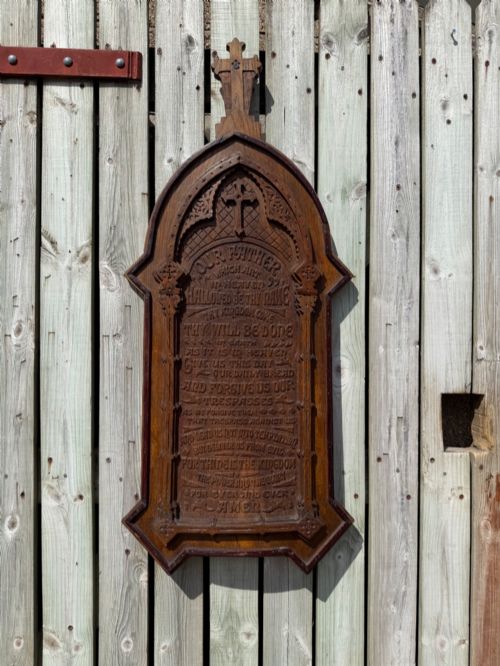
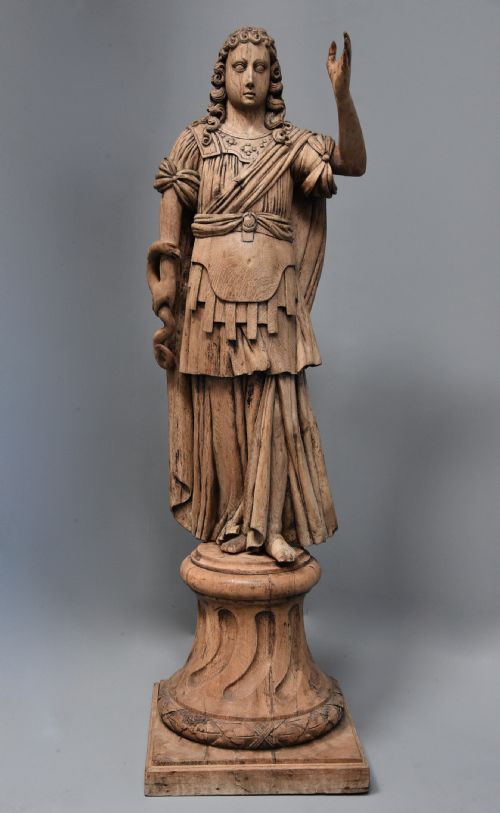
Religious carved wood encompasses sculptures, panels, wall crosses, and ecclesiastical furnishings originating primarily from continental Europe. These pieces date from the sixteenth century through to the nineteenth century, reflecting regional stylistic shifts across Italy, France, Spain, and Germany.
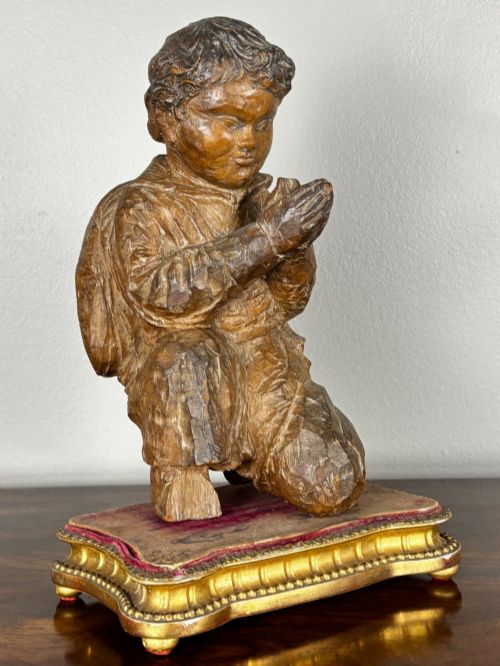
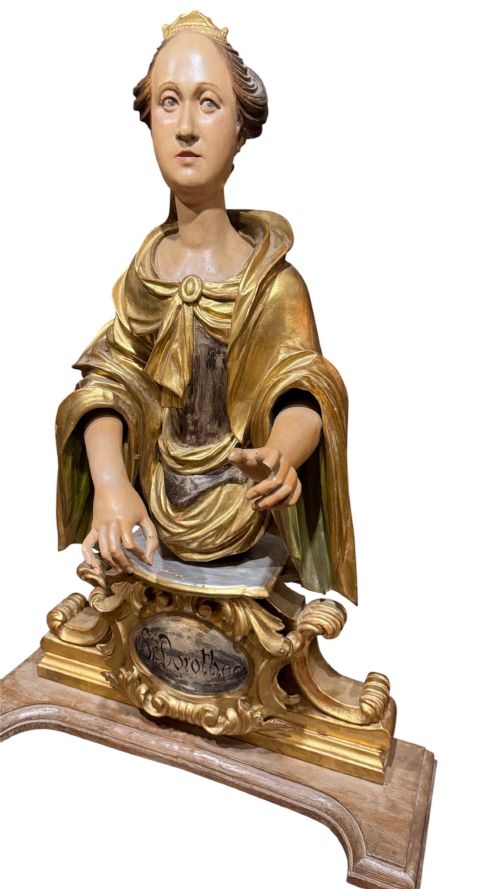
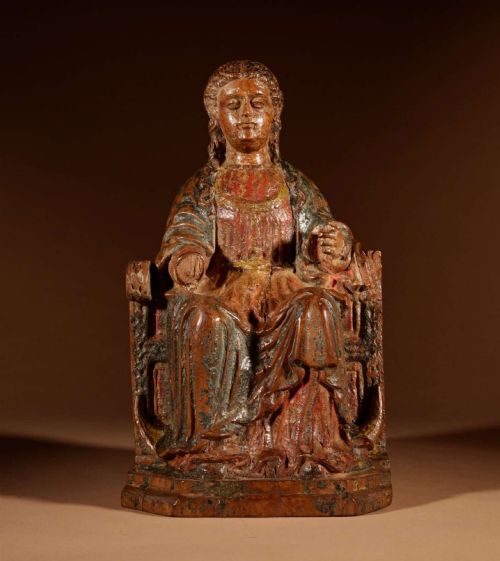
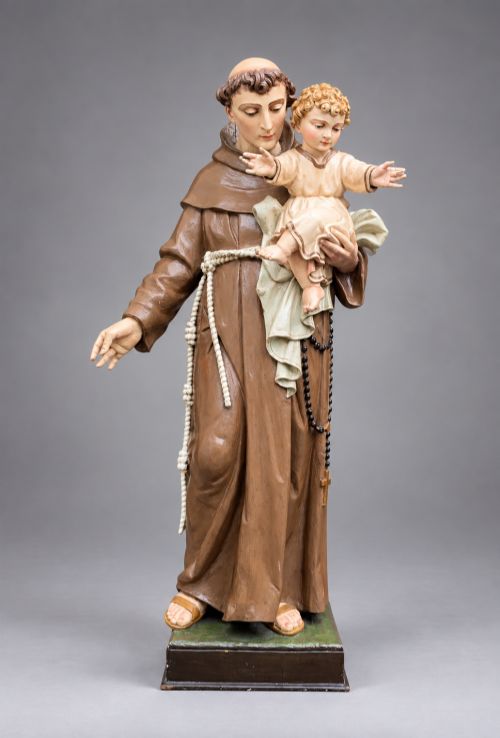
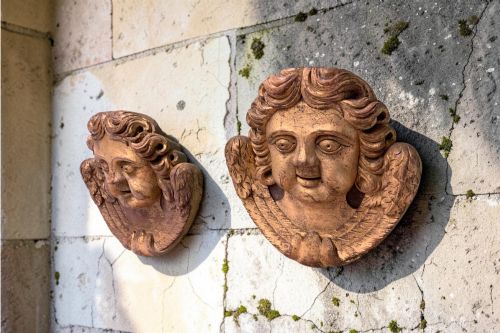
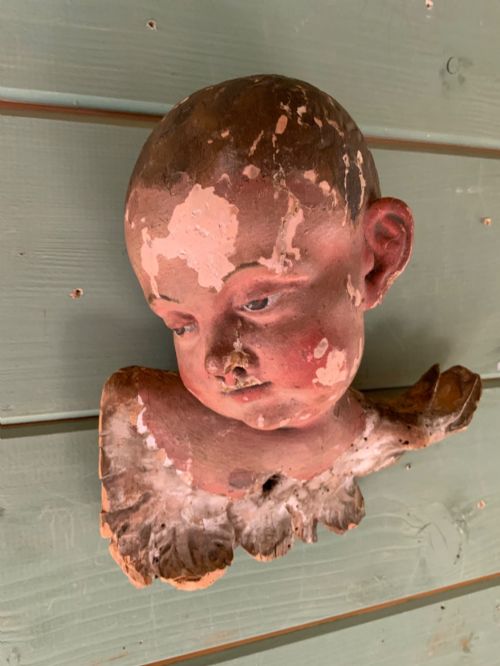
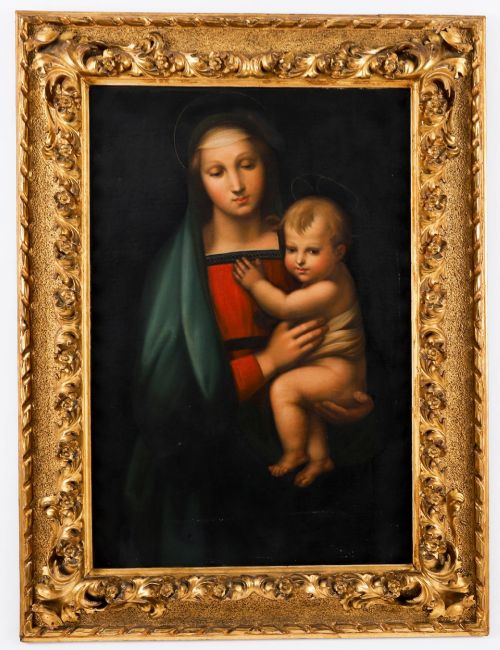
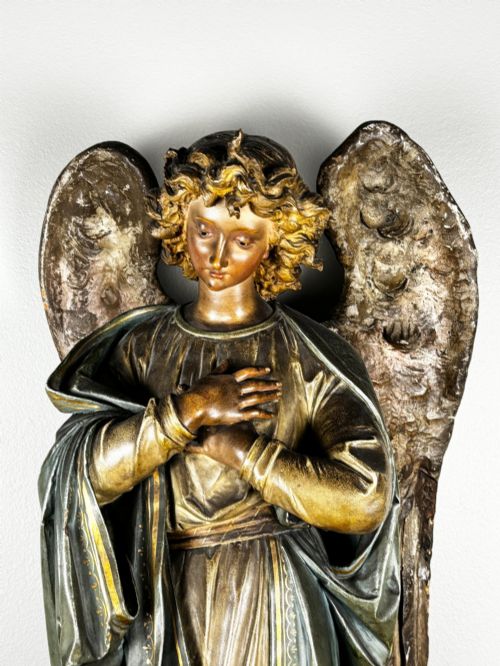
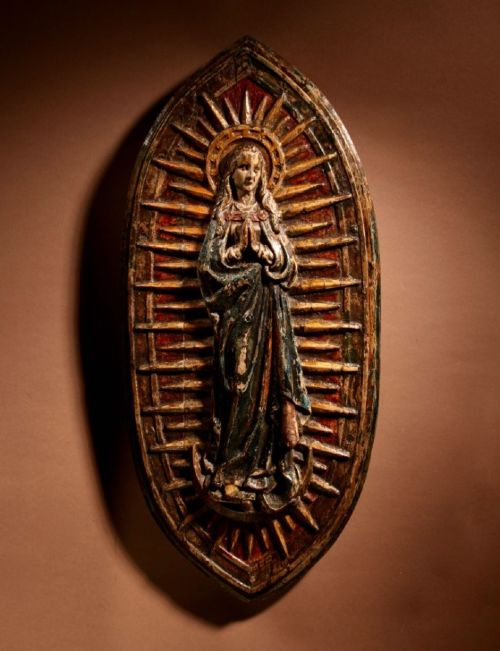
Buyers encounter figures of saints, Madonnas, putti, and angels alongside architectural elements such as altar candlesticks, missal stands, and carved panels. Oak, lime wood, walnut, and chestnut form the primary structural timbers for these devotional objects.
Materials and construction methods
Craftsmen shaped solid timbers like oak, walnut, lime wood, and olive wood using chisels and gouges to create three-dimensional figures and low-relief panels. Many surfaces received a preparation layer of gesso before painters applied polychrome pigments and gold leaf.
Gilding and paint finishes varied by region, utilising metallic leaf alongside oil and tempera colours to accentuate drapery and flesh tones. Joinery techniques depended on the scale of the work, ranging from single-block carvings to multi-panel altarpiece assemblies.
Religious Carved Wood Retail Price Guide 2026
Typical asking prices for religious carved wood among the pieces listed under this phrase on Sellingantiques today, from the lower quarter to the upper quarter. They describe what is for sale here now, not the wider market.
Factors separating standards of work
The anatomical precision of the carving and the fluidity of the drapery separate workshop tiers, distinguishing expressive handwork from rigid production. Surviving polychrome and gilt surfaces retain varying degrees of original pigment, altering the visual impact of the piece.
The integrity of the timber ground and the preservation of original gesso layers dictate the physical condition of antique carvings. Greater sculptural depth and sophisticated regional styling, such as Baroque or Renaissance detail, elevate the execution of individual statues and panels.
The Religious Carved Wood Glossary
- Polychrome
- Painted in several colours. This term describes wooden sculptures finished with pigmented layers over gesso.
- Gesso
- A plaster mixture used as a smooth base for paint and gold leaf on wood. It provides a bright foundation for surface decoration.
- Putto
- A figure of a small chubby child, often winged. These appear frequently in Baroque ecclesiastical carvings.
- Corpus Christi
- The figure of Christ on the cross. These wooden representations range from small devotional crosses to life-size church figures.
- Altarpiece
- A structure set above and behind an altar. Central panels often feature carved wooden saints and religious scenes.
Religious Carved Wood: Frequently Asked Questions
How do I identify the period of a carved wooden figure?
Stylistic cues such as Baroque movement or Renaissance proportion help indicate the era of execution. Tool marks and timber choice also assist in determining the age of European church carvings.
Examination of underlying gesso and pigment layers provides further context regarding the date of manufacture. Comparing regional workshop traditions narrows down the origin of anonymous saints and panels.
Where were these wooden carvings originally displayed?
Most pieces originated inside European churches, convents, and chapels as part of altarpieces or devotional furnishings. Domestic shrines also housed smaller figures and wall crosses.
Larger sculptures served as focal points for prayer within ecclesiastical architecture. Portable items like missal stands functioned directly during religious services.
How should I care for antique carved wood at home?
Maintain stable room humidity to prevent the timber from splitting or warping over time. Avoid placing wooden sculptures near direct heat sources or strong sunlight.
Dust surfaces gently with a dry, soft brush rather than using chemical polishes. Preserving delicate polychrome paint requires protecting the piece from excessive handling.