

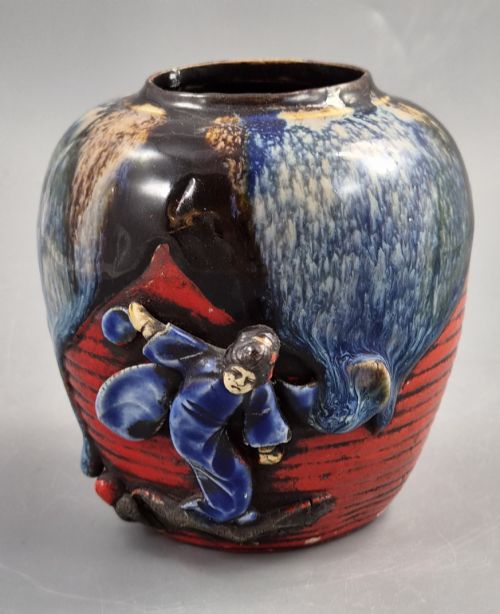
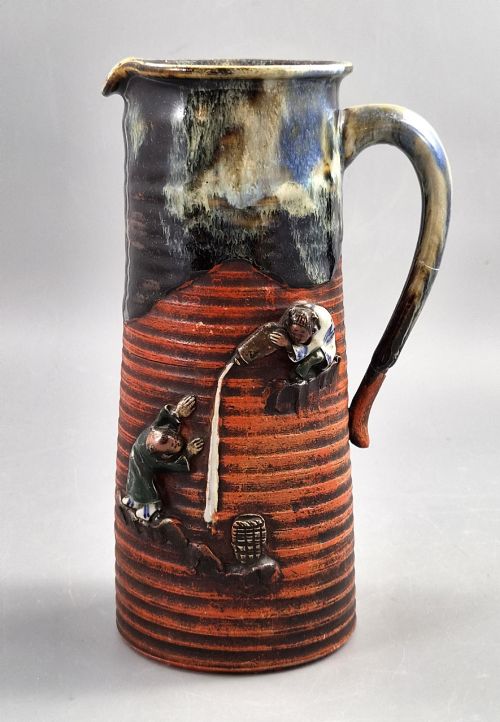

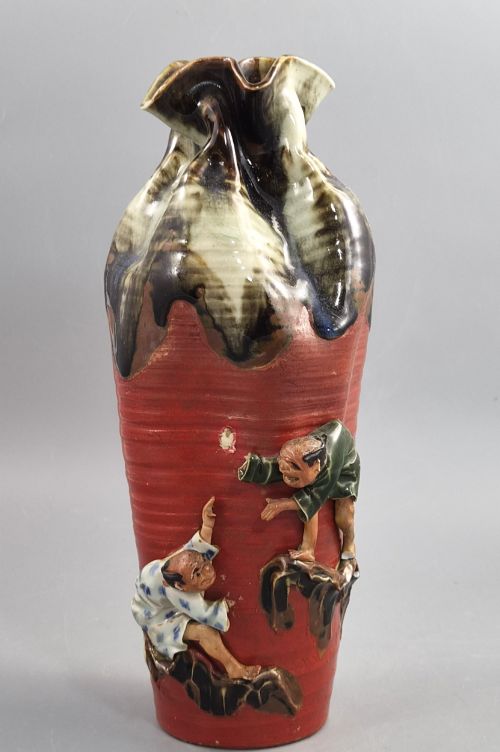
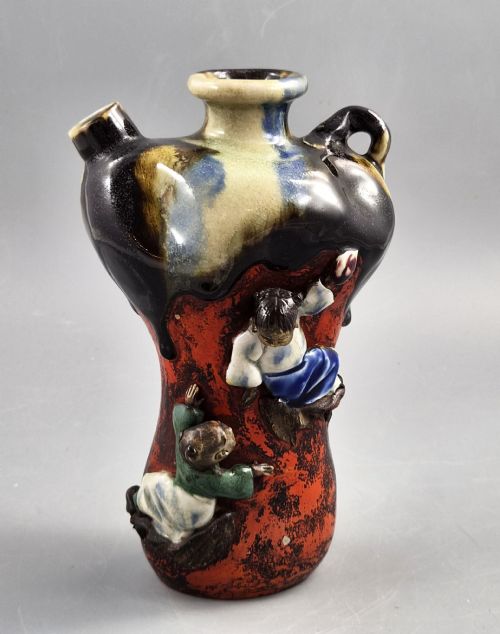


Relief Figure Vase
A relief figure vase brings sculptural depth to your room through modelled figures rising from the ceramic surface.
Relief Figure Vase
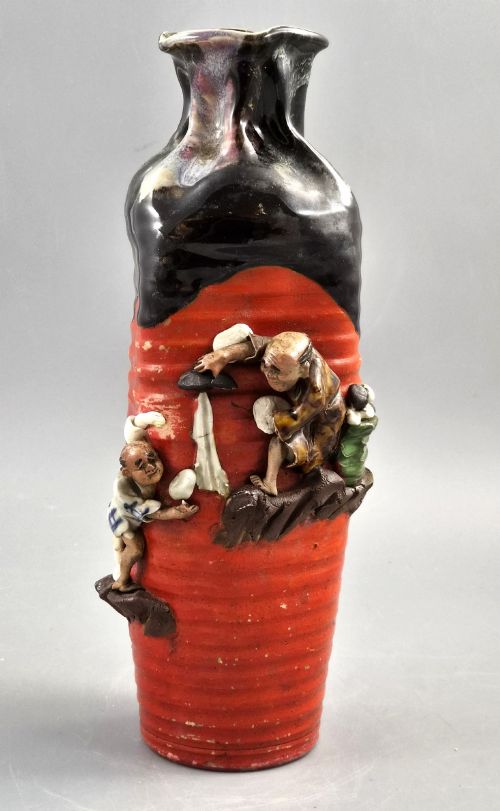
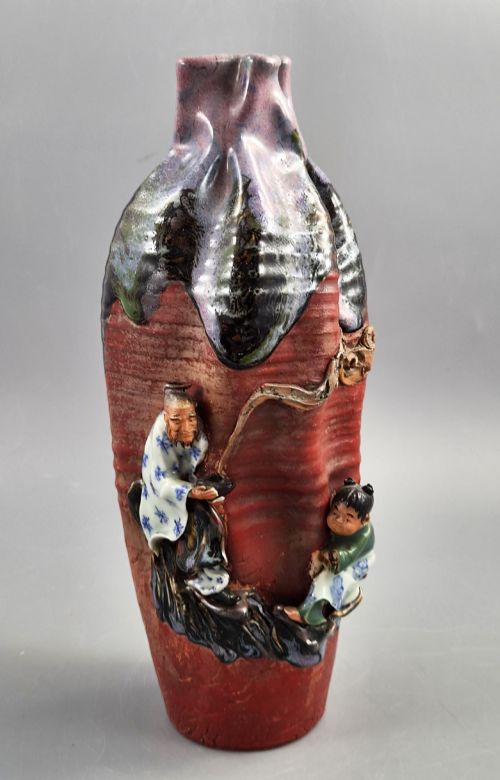
When you search for a relief figure vase, you are looking at vessels decorated with three-dimensional human forms integrated into the body of the pot. The pieces on this page span the Victorian era, the nineteenth century, and the early twentieth century, taking in both Japanese art pottery and European neoclassical styles.
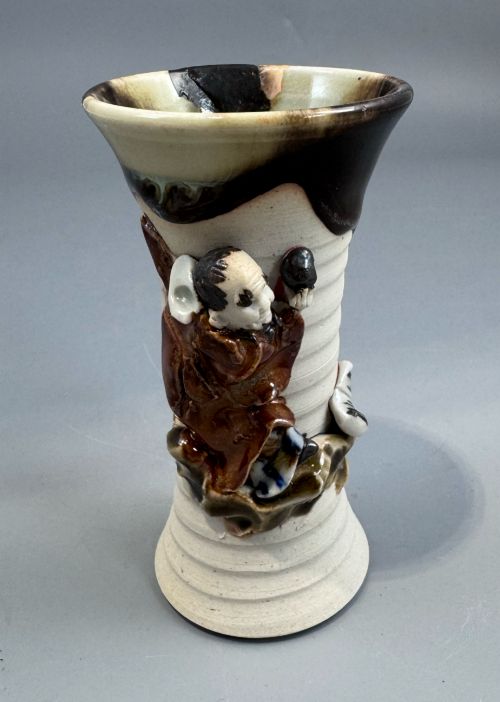
The most common form you will meet is the Japanese Sumida Gawa ware from the Meiji and Taisho periods. These vessels typically feature heavily textured glazes and applied figures climbing the exterior wall.
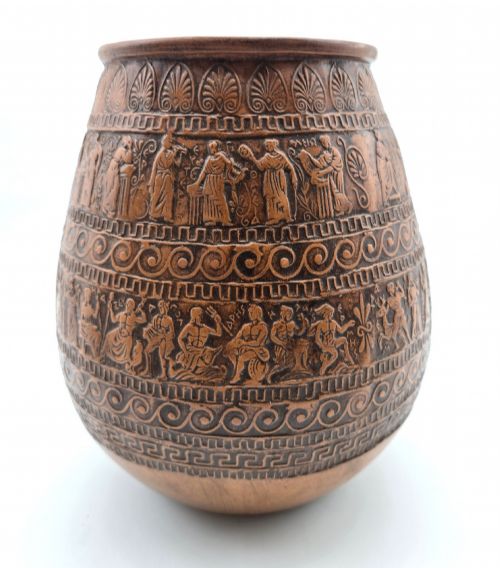
Alongside Japanese pottery, you will also encounter European works drawing on classical mythology and historical design. These include terracotta pieces from the Greek Grand Tour and English stoneware made with classical reliefs.
How they were made
Potters built these vessels using earthenware, stoneware, terracotta, and porcelain bodies, shaping them into jars, pitchers, and baluster vases. Artisans applied figures separately to the leather-hard clay surface before firing, ensuring the forms became a permanent part of the vessel structure.
The surface finish relies heavily on specialised glazes, ranging from colourful flambé and oxblood to matte bisque and classical enamel. Some workshops utilised poured running glazes to contrast sharply with the modelled figures standing in high relief.
Relief Figure Vase Retail Price Guide 2026
Typical asking prices for relief figure vase among the pieces listed under this phrase on Sellingantiques today, from the lower quarter to the upper quarter. They describe what is for sale here now, not the wider market.
Materials span earthenware, stoneware, terracotta, and porcelain, alongside specialist flambé and oxblood glazes.
What varies in quality
The control and depth of the glaze also set examples apart. Rich flambé runs and even colouration across complex shapes demonstrate higher technical skill from the pottery.
Inoue Ryosai·P. Ipsens Enke·Wedgwood
The Relief Figure Vase Glossary
- Sumida Gawa
- Japanese art pottery characterised by heavy, streaked flambé glazes and applied clay figures. These pieces originated in the Tokyo area during the late nineteenth and early twentieth centuries.
- Flambé glaze
- A high-fired ceramic glaze noted for its mottled, streaked, or variegated colour effects. It often combines blues, reds, and purples in unpredictable patterns.
- Karako
- A Chinese-style child figure shown at play, frequently used as a decorative motif in Japanese art pottery. These figures appear climbing or sitting on the sides of vases.
- Terracotta
- Fired unglazed clay of a brownish-red colour used for structural vessels and sculptural reliefs. Grand Tour souvenirs often utilised this material to evoke classical antiquity.
- Baluster
- A vase shape with a rounded body that tapers toward the neck and stands on a narrow base. This form provides a stable canvas for three-dimensional figures.
Relief Figure Vase: Frequently Asked Questions
What is a Sumida Gawa vase?
A Sumida Gawa vase is a distinct type of Japanese pottery made around Tokyo during the Meiji and Taisho periods. These pieces are easily recognised by their thick, dripping flambé glazes and modelled figures climbing up the exterior.
The style breaks away from traditional smooth ceramics by embracing a rugged, hand-modelled texture. Makers often signed these works with stamps or impressed marks on the lower body.
How do I care for a relief vase?
Dust the raised figures gently using a soft, dry brush to prevent dirt settling in the crevices. Avoid washing these vessels in water, especially older pieces with delicate applied elements.
Keep them away from direct sunlight and areas prone to sudden temperature changes. Stable indoor conditions protect the glaze and the bond between the applied figures and the vase.
Are these vases waterproof?
Many older decorative vases and art pottery pieces are porous or feature applied clay that was not designed to hold water safely. Using them for display without liquid is the safest approach.
If you wish to use one for flowers, place a narrow glass or plastic vial inside the neck. This prevents moisture damage to the interior body and historic glazes.
How do I spot a reproduction?
Examine the weight, the material density, and the way the figures join the main body. Modern copies often lack the depth of colour found in nineteenth-century flambé glazes.
Check the base for wear consistent with age and look for authentic potter signatures rather than printed modern stamps. Genuine pieces show natural irregularities from hand-modelling.