
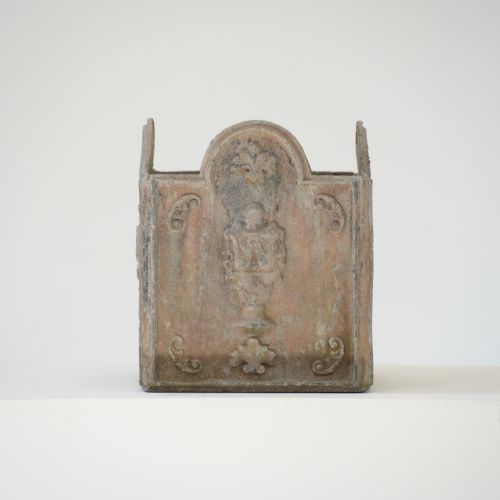


Relief Carved Box
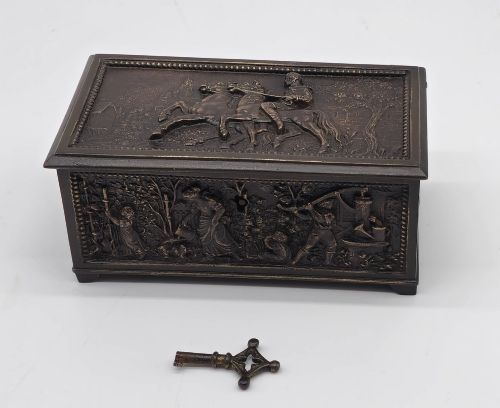
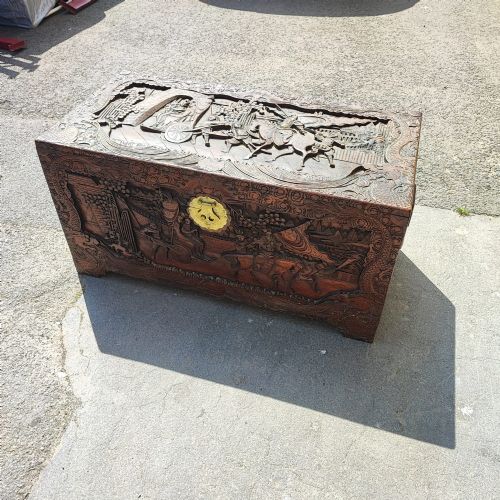
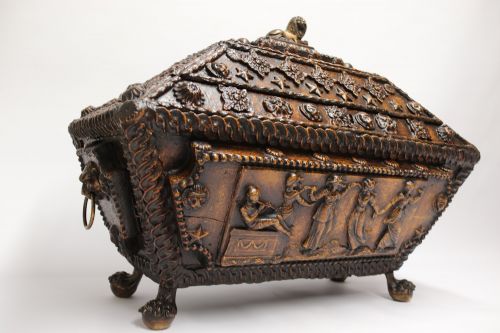
A relief carved box brings tactile depth to small vessels, ranging from pocket snuff boxes to large camphor storage trunks.
Relief Carved Box
A relief carved box is typically encountered as a portable container, spanning small items like snuff boxes and card cases to larger chests and trunks. The selection on this page draws heavily from 19th-century production, alongside pieces from the 1920s and 1930s.
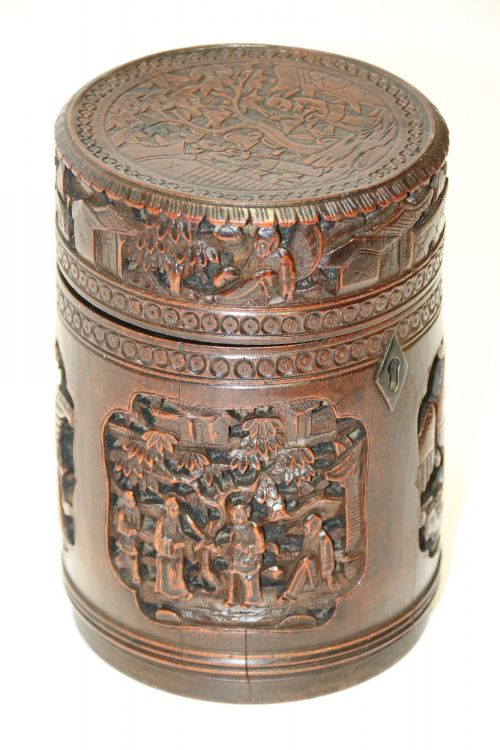
Origin points vary widely across the inventory, encompassing Chinese export workshops, Anglo-Indian makers, and European centres. Buyers will find camphor wood trunks, bamboo tea caddies, and hardwood caskets sharing space with pressed maple and horn pocket pieces.
Materials and Carving Techniques
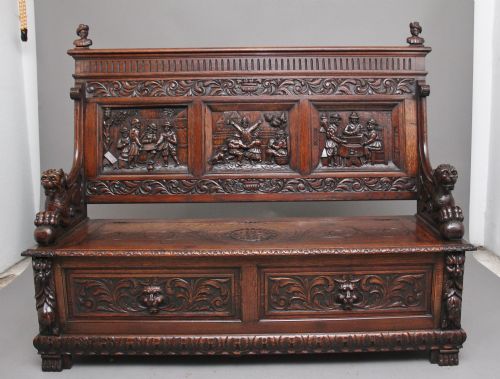
Construction relies upon traditional timber selection, with camphor wood, teak, oak, sandalwood, and general hardwoods providing the primary foundations for larger chests. Smaller pocket boxes utilise alternative mediums including pressed maple, horn, silver, brass, and gilt metal.
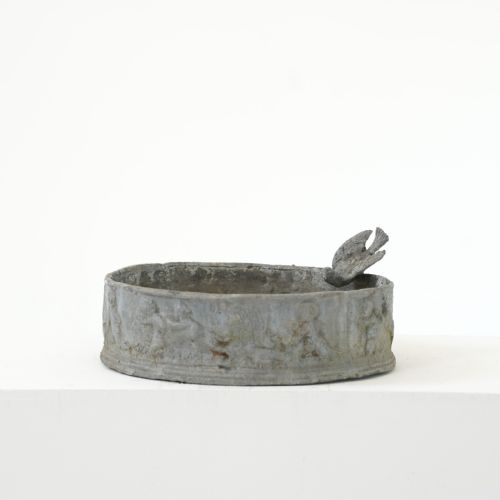
Surface ornamentation is achieved through hand carving that cuts away the background to leave motifs standing in relief. Artisans work directly into the dense grain of wood or shape metals through casting, pressing, and electro-forming depending on the workshop origin.
Listings demonstrate a strong presence of 19th-century camphor wood chests alongside European pressed maple snuff boxes.
Assessing Relief Carved Boxes
Quality rests in the crispness and depth of the carved motifs, where deep undercutting and sharp definition distinguish superior work from shallow, mechanical pressing. The handling of corners, hinges, and interior fitting reveals the maker's competence.
Material selection dictates longevity and visual presence, with dense camphor wood or finely figured maple holding superior detail compared to softer substitute woods. Preservation of the original surface patina without excessive sanding preserves the integrity of the piece.
Guichard Carriès·Walker and Hall
The Relief Carved Box Glossary
- Relief carving
- A sculptural technique where figures or patterns project from a flat background surface. This method creates shadow and three-dimensional depth on box lids and sides.
- Camphor wood
- An aromatic timber native to Asia, prized for insect-repellent properties and stability in tropical climates. It is frequently selected for large storage chests and trunks.
- Snuff box
- A small pocket-sized container designed to hold powdered tobacco. These items often feature intricate carvings or pressed decoration on the lid.
- Tea caddy
- A specialised vessel intended for storing loose tea leaves securely. Examples in these listings incorporate carved bamboo and timber construction.
- Gesso
- A plaster-like mixture applied to wooden surfaces to provide a smooth base for painting or low relief ornamentation. It appears on European caskets from the Regency period.
Relief Carved Box: Frequently Asked Questions
What were relief carved boxes used for?
These vessels served practical storage roles tailored to their scale, from safeguarding precious documents and jewellery to holding tobacco, visiting cards, or dry tea leaves.
Larger trunk forms protected garments from insects using aromatic woods, while pocket-sized boxes kept stimulants or personal tokens close at hand during daily transit.
How do I distinguish Chinese export boxes?
Chinese export pieces frequently utilise dense camphor wood or sandalwood, displaying dense pictorial carvings depicting traditional figures, pagodas, and botanical scenes.
Workshop production for Western markets during the nineteenth century combined traditional local joinery techniques with European forms like tea caddies and card cases.
Are camphor wood chests safe for modern homes?
Camphor wood chests integrate well into contemporary living spaces as functional coffee tables, blanket storage, or bedroom furniture due to their robust construction.
The natural aromatic oils within the timber continue to provide a distinctive scent that deters moths and other pests from stored textiles.
How do I date a carved wooden box?
Dating relies upon examining the timber species, hinge construction, interior linings, and the stylistic vocabulary of the carved motifs.
Eighty-year-old and nineteenth-century examples typically display hand-cut joinery marks and patination that differentiate them from later twentieth-century reproductions.