



Regional Vernacular Chair
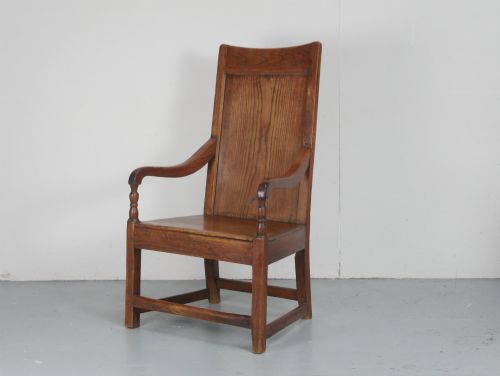
A regional vernacular chair is a local domestic seat built by country joiners using native woods like elm, ash and yew.
Regional Vernacular Chair
A regional vernacular chair represents local British country making traditions from the seventeenth century through to the Edwardian period, shaped by the materials available in specific counties and valleys.
Makers in regions such as the Thames Valley, Yorkshire, Lancashire and Scotland developed distinct local idioms, using native timbers to build functional seats for everyday rural life.
How they were made
Country joiners utilised native hardwoods including elm for seats, ash for spindles and bent frames, and yew for rich grain and strength, often combining multiple timbers in a single piece.
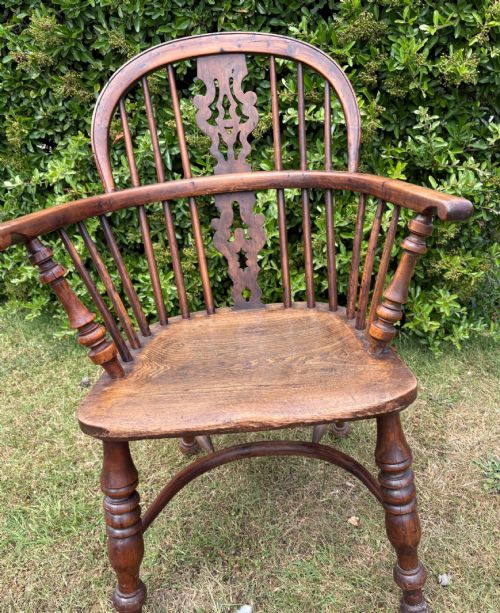
Construction relied on traditional joinery techniques such as bodging and steam bending, shaping green wood into Windsor bows and stick backs that dried tight around their seats.
Regional Vernacular Chair Retail Price Guide 2026
Typical asking prices for regional vernacular chair among the pieces listed under this phrase on Sellingantiques today, from the lower quarter to the upper quarter. They describe what is for sale here now, not the wider market.
Listings span from the seventeenth century through the 1880s, featuring elm, ash, yew, oak and rush.
What varies in quality
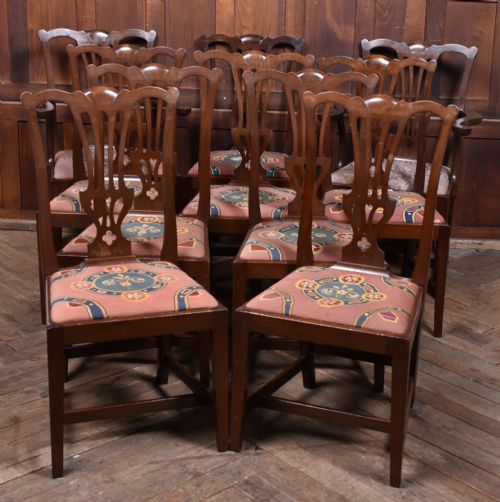
The distinction between ordinary utility seating and exceptional vernacular work rests on the harmony of proportions, the character of the timber grain, and the integrity of the original construction.
Regional adherence marks the finer examples, where distinct local turning patterns, saddle seats and native wood combinations survive intact without intrusive modern repairs.
Gabbitass Worksop maker·Duncan McKellar of Fenwick·Rockley maker·Wheelers of Arncroach
The Regional Vernacular Chair Glossary
- Windsor chair
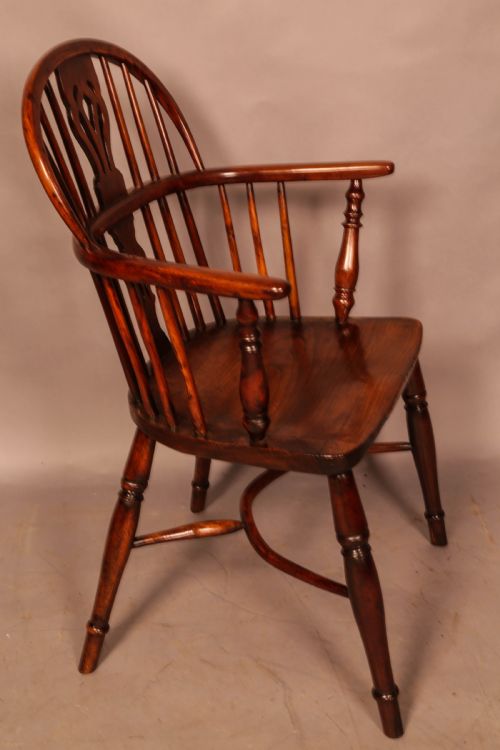
- A wooden chair with a solid moulded wooden seat into which the back-legs and spindles are separately inserted. They often feature bentwood bows and distinct regional undercarriages.
- Lambing chair
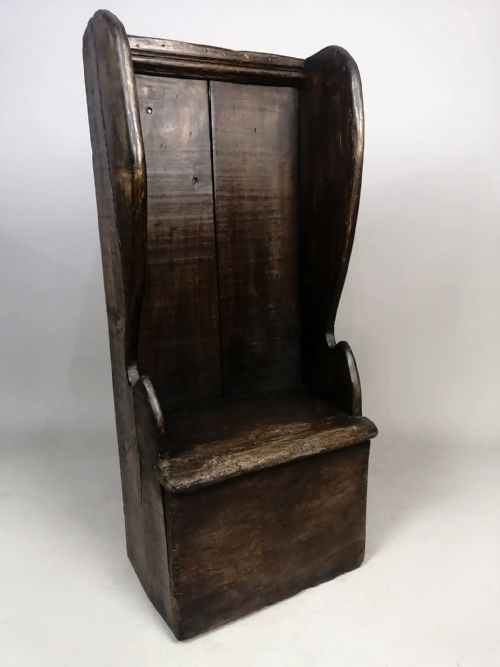
- A high-backed enclosed wooden chair, occasionally with a drawer beneath the seat, designed to keep draughts away from the occupant near the hearth. Early examples frequently appear in oak or fruitwood.
- Spindleback
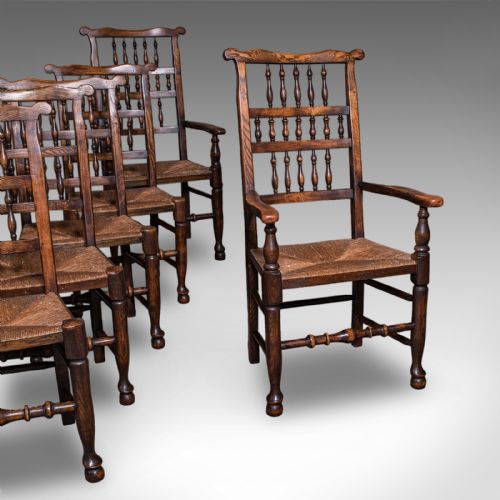
- A chair back constructed with a series of turned vertical wooden spindles. This form is particularly common in regional dining and Lancashire armchairs.
- Rush seat
- A woven seating surface made from dried marsh rushes twisted into cords. These seats provide a resilient and supportive platform within vernacular ladderback and farmhouse chairs.
- Bodge
- To shape green timber using a pole lathe in the woods near the source of the tree. This rural craft underpinned much of nineteenth-century Windsor chair production.
Regional Vernacular Chair: Frequently Asked Questions
What is a regional vernacular chair?
These are traditional domestic seats made by local country craftsmen using native timbers rather than following metropolitan fashions.
They reflect the specific woodworking traditions and available woods of areas like the Thames Valley, Yorkshire and Lancashire.
How do I identify a Windsor chair?
A Windsor chair is built around a thick solid wooden seat into which the legs and back spindles are directly fitted.
Look for a sculpted saddle seat and bentwood bows that characterise regional variations from different British counties.
Where were lambing chairs used?
Lambing chairs were traditionally used beside farmhouse hearths and in rural nurseries to protect occupants from cold drafts.
Their high wing-backed wooden frames and enclosed sides trapped heat around the person sitting in them.
How do I care for antique elm and ash?
Keep these wooden chairs away from direct heat sources and sudden temperature shifts to prevent the native timbers from splitting.
Feed the dry wood occasionally with a traditional wax to maintain the surface finish without sealing the grain.