
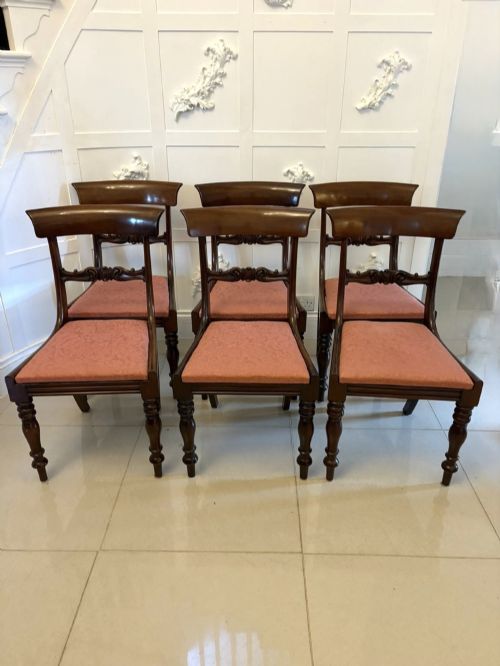
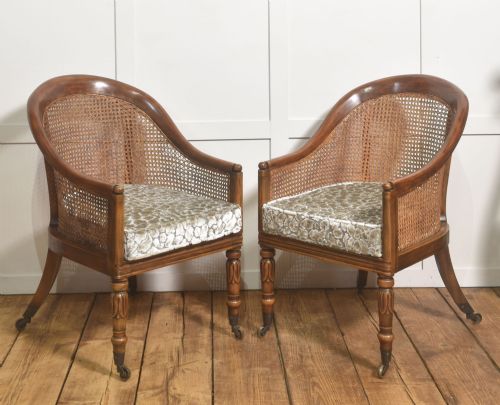
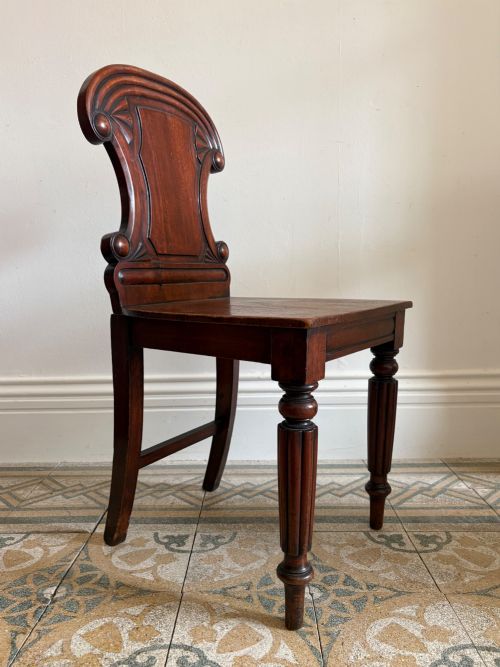
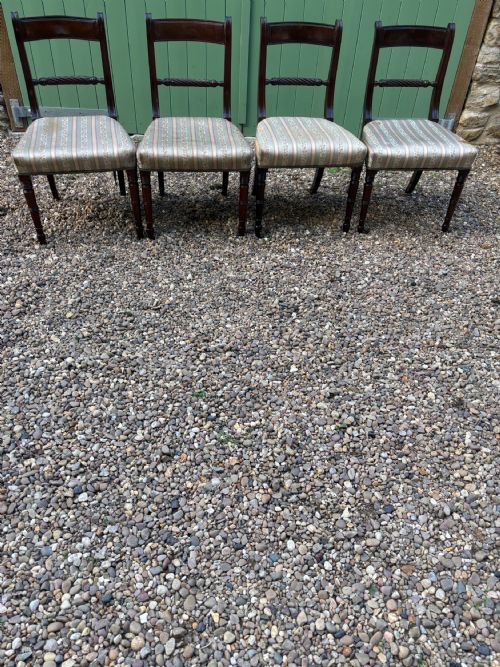
Regency X Back Chairs
Regency x back chairs combine neoclassical restraint with structural elegance, offering collectors enduring seating shaped by early nineteenth-century design.
Regency X Back Chairs
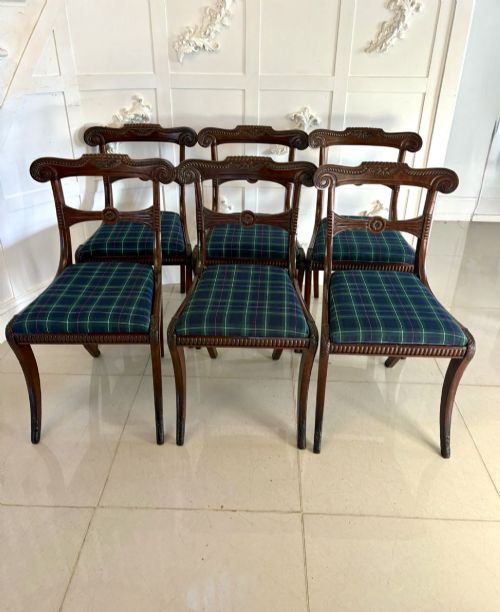
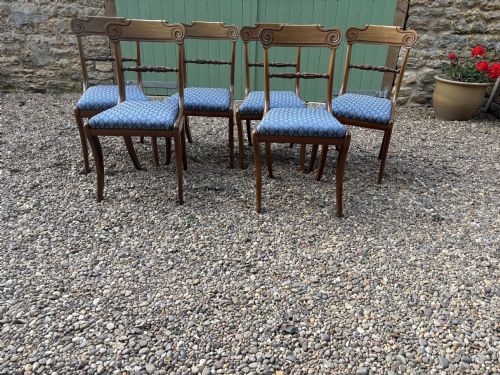
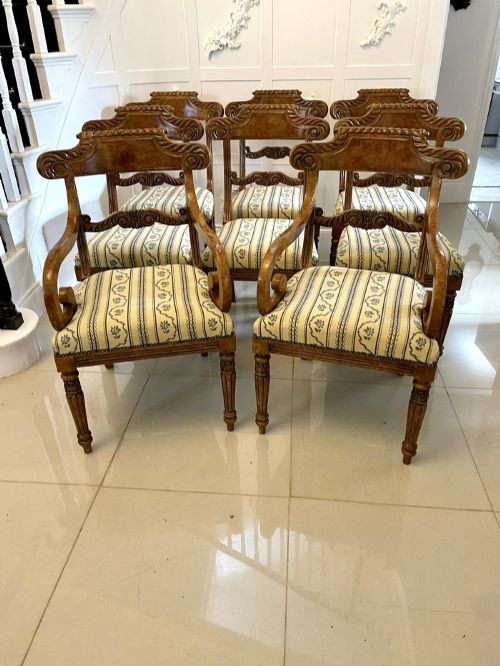
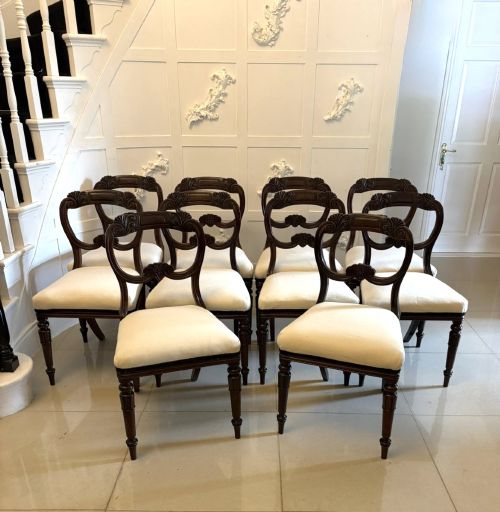
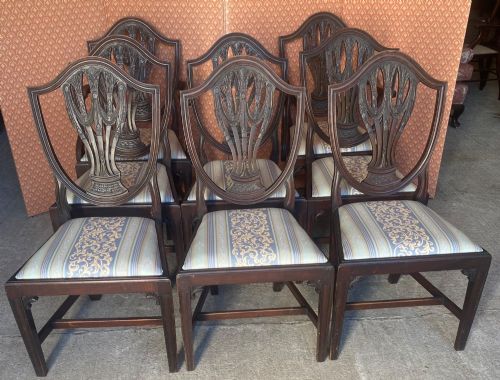
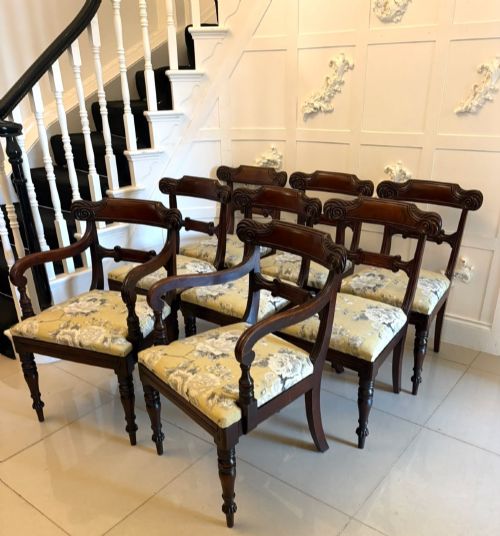
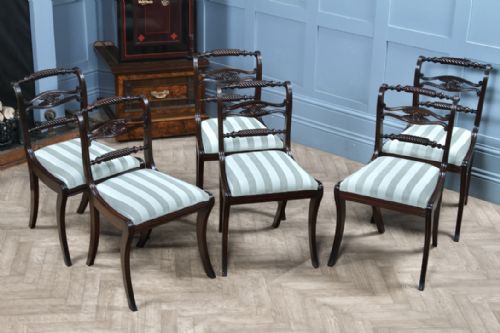
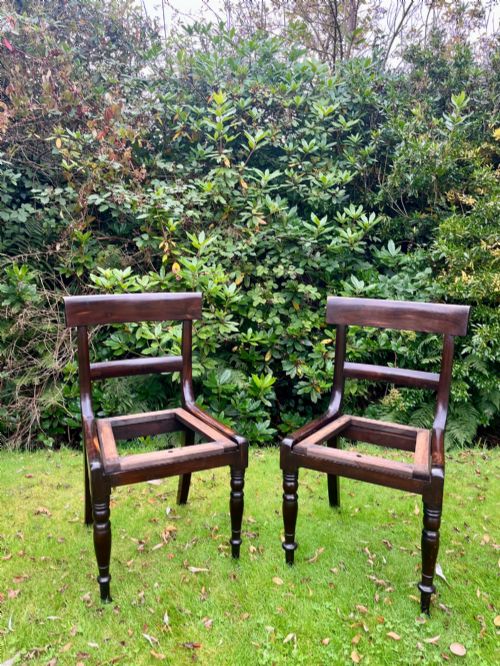
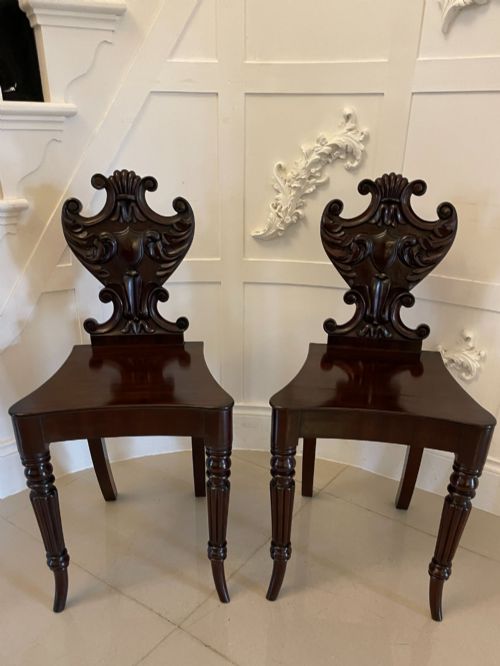
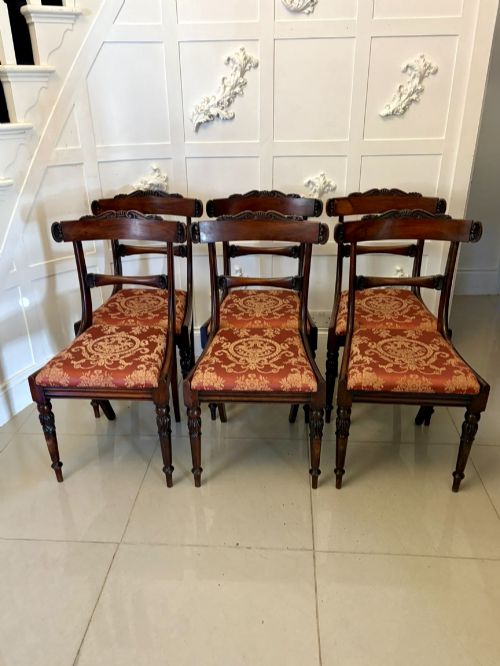
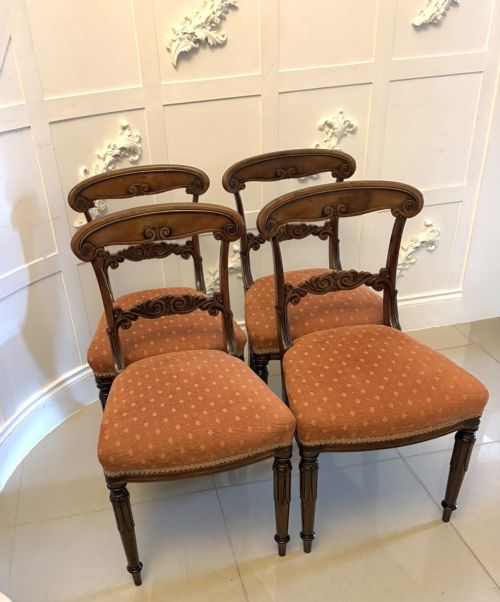
Regency x back chairs are classic seating forms defined by distinctive intersecting cross members in the backrest, drawing inspiration from classical antiquity during the early nineteenth century. When searching for regency x back chairs, a buyer encounters variations ranging from single carver chairs to matched sets intended for formal dining. The pieces available span genuine period examples alongside later revivals from the Victorian era and the early twentieth century.
The selections on this page predominantly feature mahogany and rosewood timber frames, frequently accompanied by cane seating or upholstered pads covered in fabric and velvet. Alongside dining chairs and armchairs, the broader category includes hall chairs, library seating, and settees originating from the Regency, Georgian, and William IV periods. These chairs anchor traditional interiors, serving as both functional furniture and historical artefacts.
How They Were Made
Cabinetmakers constructed these frames using dense hardwoods like mahogany and rosewood, occasionally incorporating satinwood or yew wood for contrast. Timber selection dictated the strength of slender components such as the intersecting back rails and reeded legs.
Surface ornamentation often involved carved details, parcel gilding, or faux rosewood graining applied to native timbers. Seats were integrated using woven cane or webbed upholstery foundations finished with diverse textile coverings.
Periods represented span from the Georgian and Regency eras through the nineteenth century into later revival decades.
What Varies in Quality
The distinction between ordinary and exceptional examples rests in the crispness of carved details and the architectural harmony of the frame. Superior pieces display thoughtful timber selection, where grain patterns align intentionally across the back rails and legs.
Originality of surface finish and structural integrity heavily influence the standing of an individual chair or matched set. Master craftsmanship shows in the seamless joinery of the cross members and the enduring tightness of the overall construction.
Gillows
The Regency X Back Chairs Glossary
- Carver
- An armchair, typically designed to match a set of single dining chairs and often featuring more elaborate arm supports.
- Reeded
- A decorative moulding consisting of parallel convex strips resembling bundled reeds, frequently found on chair legs and frame edges during the Regency period.
- Cane
- Woven rattan material used for chair seats and backs, offering lightweight resilience and a textured appearance.
- Parcel Gilt
- A decorative technique where small portions of a wooden or painted surface are highlighted with thin layers of gold leaf.
- Sabre Leg
- A distinctive backward-curving chair leg tapering toward the foot, characteristic of neoclassical and Regency seating design.
Regency X Back Chairs: Frequently Asked Questions
What defines a Regency X back chair?
These chairs feature a distinct backrest shaped by two intersecting wooden members forming an X, echoing ancient Greek and Roman klismos forms revived in the early nineteenth century.
Craftsmen often combined this central motif with curved top rails, reeded framing, and sabre legs to achieve a balanced neoclassical silhouette.
Were these chairs used only for dining?
While many survive as part of large dining sets, similar X back and cross-form designs served as library armchairs, hall chairs, and drawing room seating.
Makers adapted the form for diverse domestic spaces, producing scaled armchairs and carvers alongside standard single chairs.
What woods were commonly used?
Mahogany and rosewood dominate the surviving examples, prized for their rich dark grain and structural stability when shaped into slender members.
Cabinetmakers also utilised satinwood, yew wood, and beech treated with faux rosewood finishes to achieve similar aesthetic effects.