


Regency Worcester Plate
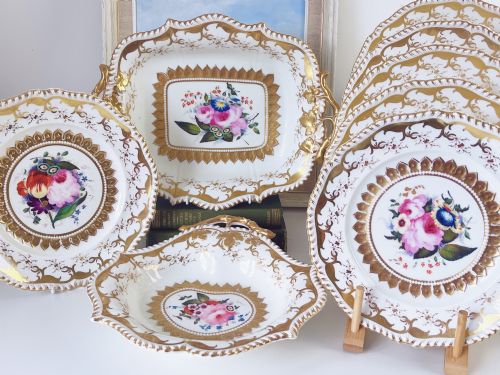
A regency worcester plate brings fine porcelain, handpainted colour and gilded detail directly to the table from the opening decades of the nineteenth century.
Regency Worcester Plate
When searching for a regency worcester plate, collectors encounter porcelain items produced by major factories during the Regency, Georgian, and wider nineteenth-century periods. The selection includes decorative plates, cabinet plates, oval dessert dishes, and soup plates intended for display or fine dining. Most pieces originate from the early eighteen-hundreds, reflecting the artistic output of Worcestershire porcelain works.
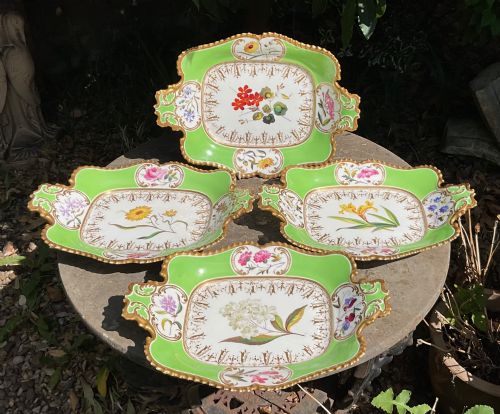
The common forms on this page span single cabinet plates, matched pairs, and larger dessert service items. Pieces often feature distinct motifs such as botanical studies, armorial crests, topographical scenes, and Chinese-inspired patterns like the dragon and kylin designs. These utilitarian yet decorative items served wealthy households for dessert courses and formal display.
How they were made
Potters shaped fine white porcelain bodies by hand or press-moulding before initial firing to create durable plates and dishes. Artisans applied enamel paints by hand to render botanical specimens, birds, butterflies, and intricate oriental motifs across the surface. Skilled painters completed these works with careful brushwork before a final glaze firing.
Makers enriched many surfaces using gold leaf and hand-applied gilt highlights along the rims and borders. Specialised gilding techniques provided the metallic contrast characteristic of high-status Regency ceramics. Individual decorators, including named artists like Samuel Astles, added specialised handpainted details to specific factory blanks.
Listings feature porcelain pieces spanning the Georgian, Regency, and nineteenth-century periods, utilising enamel paints, gold leaf, and gilt.
What varies in quality
Quality separates standard production wares from bespoke service pieces commissioned by noble families and notable figures. Superior items display intricate handpainted armorial crests, detailed topographical views, or complex patterns like Jabberwocky and dragon designs rather than repetitive floral transfers. The precision of the hand-applied enamel work and the thickness of the gold leaf application define the upper tier of production.
The distinction also rests on the historical significance of the specific commission, such as services made for the Nawab of the Carnatic or aristocratic households. Plates associated with specific named makers like Barr, Flight and Barr or Chamberlain demonstrate superior paste preparation and finer potting standards. The presence of documented decorator signatures further elevates individual pieces above standard factory output.
Grainger Lee and Co·Chamberlains Worcester Porcelain·Barr Flight and Barr·Flight Barr and Barr
The Regency Worcester Plate Glossary
- Armorial plate
- A ceramic dish painted with the coat of arms or crest of a specific family. These pieces formed part of large bespoke dinner or dessert services.
- Cabinet plate
- A decorative dish intended for display on a wall or inside a glass cabinet rather than for everyday dining use.
- Chinoiserie
- A decorative style reflecting European interpretations of Chinese and East Asian artistic motifs, frequently seen in dragon and compartment patterns.
- Gilt
- A thin layer of gold applied to the porcelain surface, typically highlighting rims, handles, and border designs.
- Dessert service
- A matching set of plates, dishes, and serving pieces designed specifically to present the final course of a formal meal.
Regency Worcester Plate: Frequently Asked Questions
What are regency worcester plates?
These items are fine porcelain tableware pieces produced by prominent Worcester factories during the Regency and Georgian eras. They encompass dessert plates, soup plates, and oval dishes decorated with handpainted enamels and gold leaf.
Potteries such as Barr, Flight and Barr and Chamberlain created these objects for wealthy households. They served both practical dining functions and ornamental display in formal interiors.
How were these plates used?
Wealthy patrons utilised these ceramic pieces during formal dining occasions, specifically for serving the dessert course. They also displayed fine cabinet plates on walls and inside specialised furniture to demonstrate social status.
Many examples formed part of extensive armorial or topographical services commissioned by notable patrons. Their delicate enamel surfaces meant they received careful handling during dining and cleaning.
How do I identify a period piece?
Collectors identify pieces from this era by examining factory marks, paste compositions, and stylistic conventions associated with early nineteenth-century production. Inscriptions, pattern numbers, and specific variations in the porcelain body help determine the exact decade of manufacture.
Matching stylistic details, such as Regency border motifs and specific handpainted palettes, assist in distinguishing these items from later Victorian reproductions.
How do I care for antique porcelain?
Owners protect these fragile items by washing them gently by hand in warm water without harsh detergents. Avoiding dishwashers and abrasive sponges preserves the delicate handpainted enamels and fragile gold leaf highlights.
Displaying plates on secure wall mounts or padded stands prevents accidental chips and structural damage. Keeping porcelain away from direct sunlight protects the pigments from fading over time.