

Regency Wooden Chest
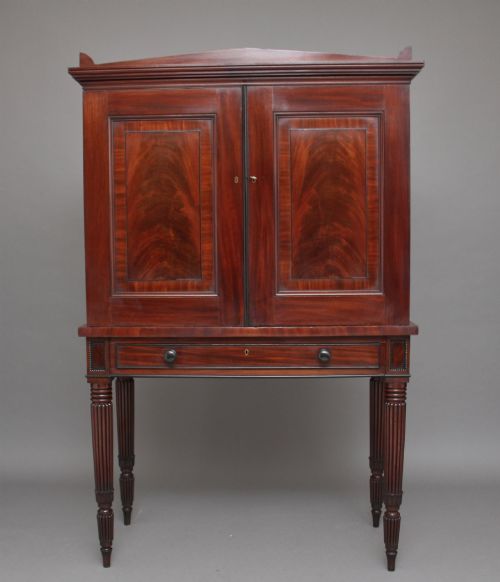
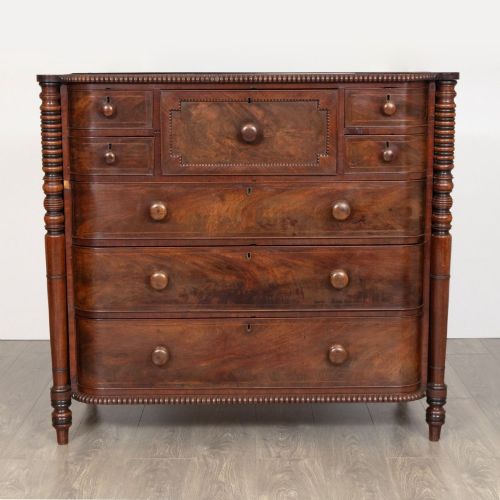
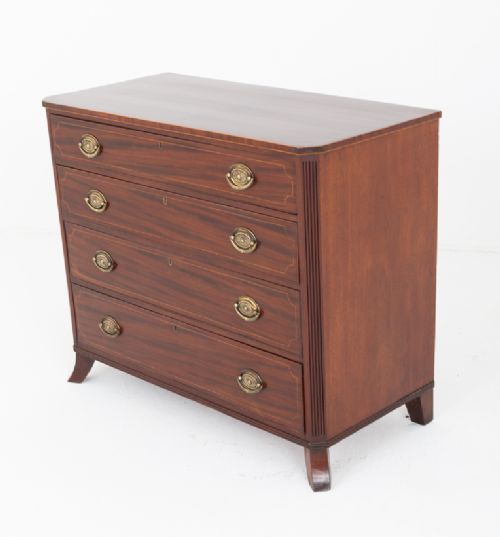
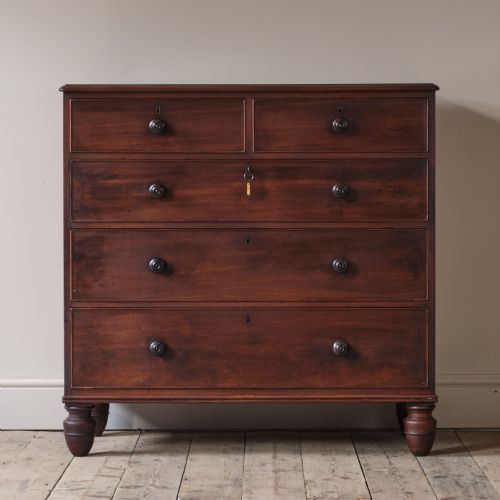
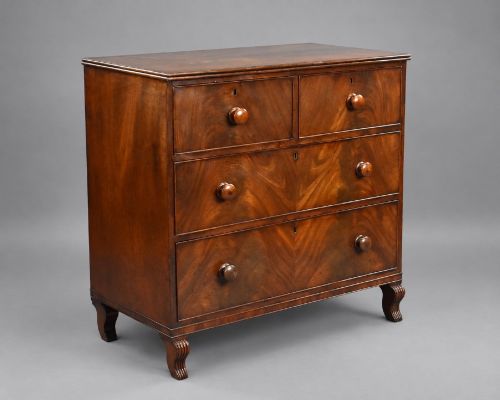
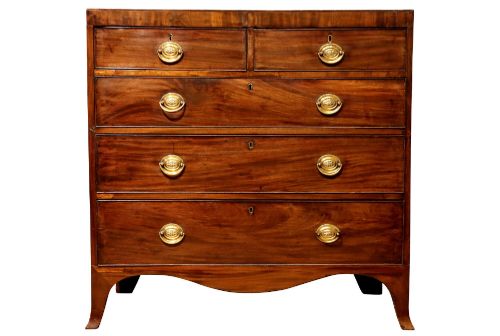
A regency wooden chest brings architectural proportion and figured mahogany grain into a room, serving as both storage and furniture centrepiece.
Regency Wooden Chest
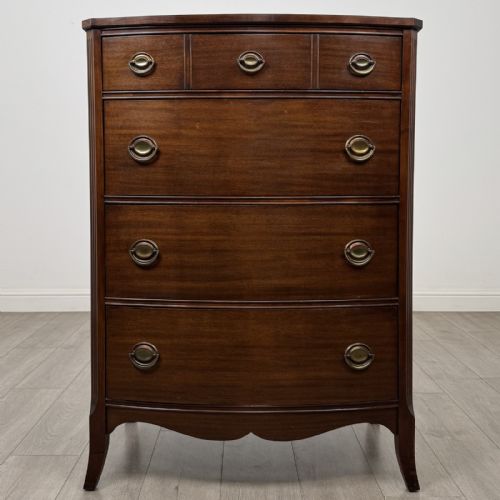
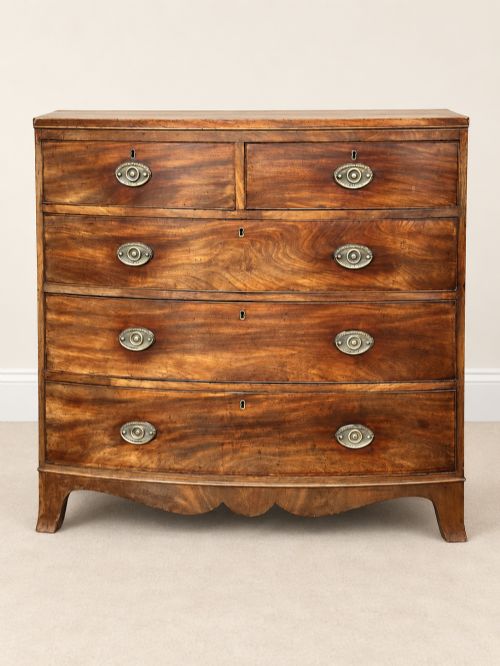
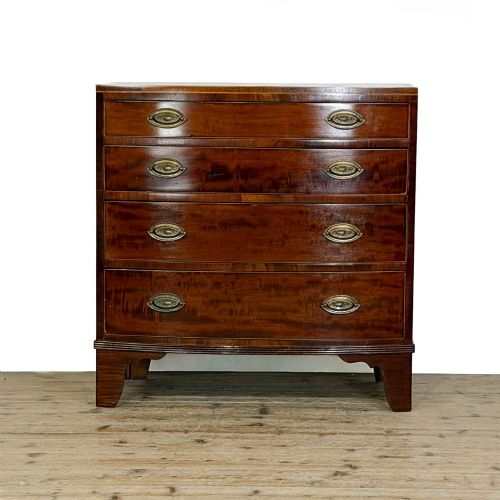
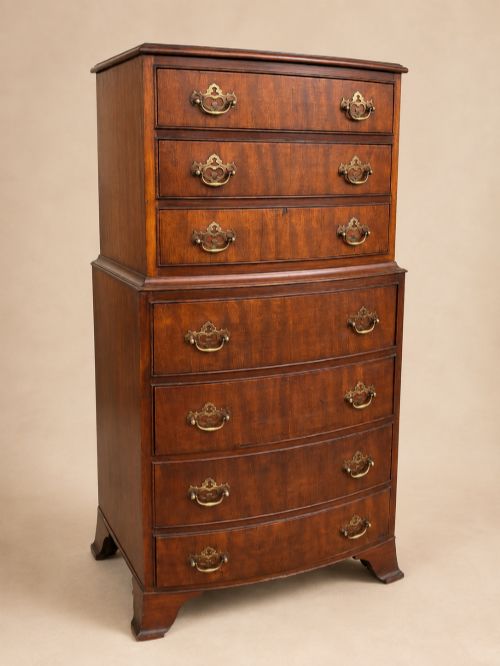
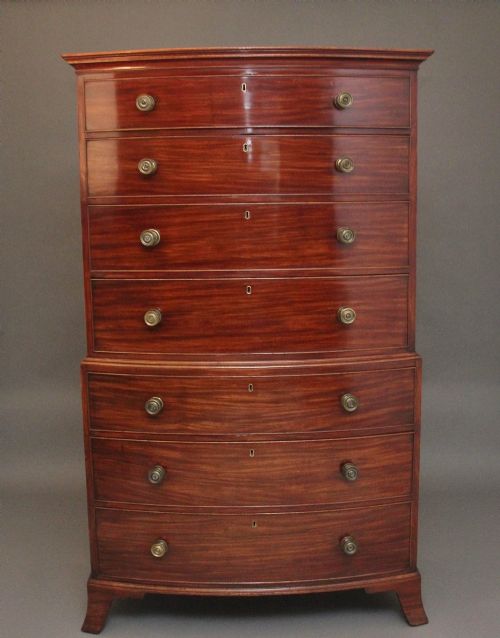
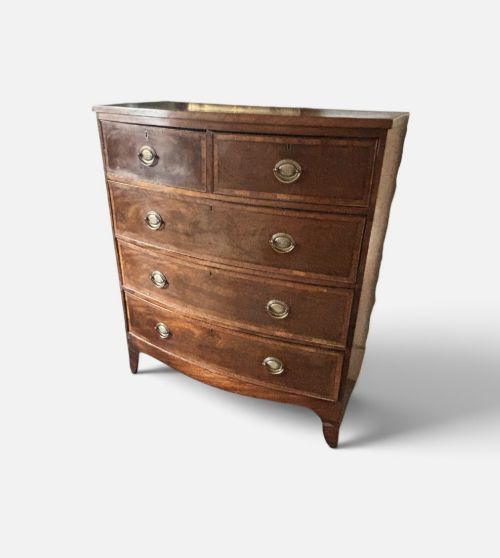
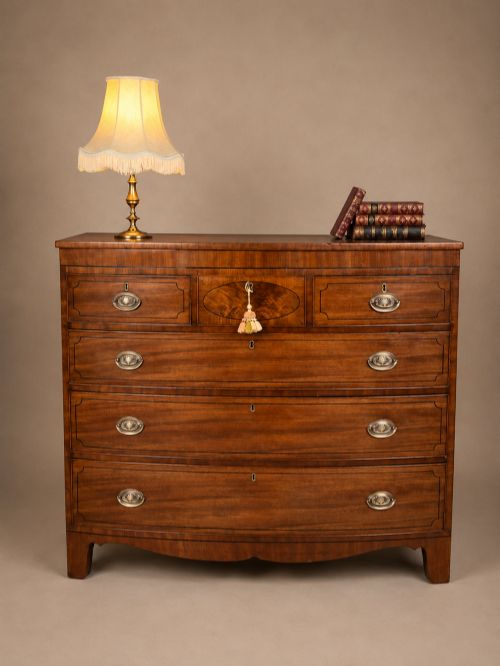
A regency wooden chest encompasses various forms designed for storage, most frequently encountered as chests of drawers, bow fronts, and tallboys originating from the Regency, George IV, and broader 19th Century periods.
The selection extends to specialised pieces such as cellarettes, tea caddies, linen presses, and side cabinets, reflecting the domestic requirements of Georgian and Regency households.
Makers and workshops of the era produced these items primarily in mahogany, flame mahogany veneer, and rosewood, often incorporating oak linings and pine secondary woods.
How they were made
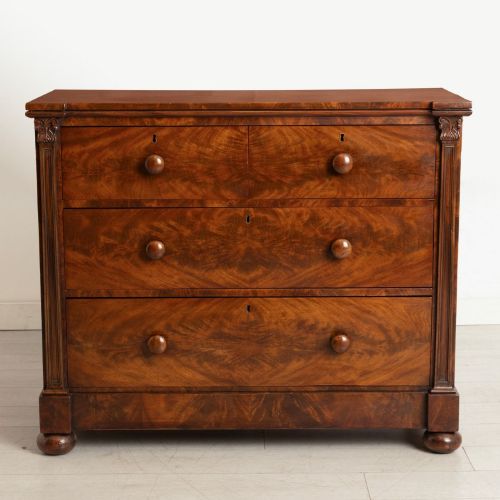
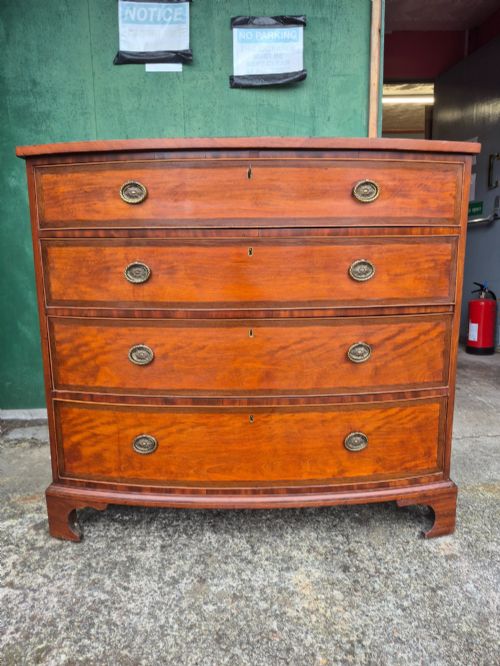
Cabinet makers utilised solid timber alongside veneer, applying flame mahogany and satinwood crossbanding to drawer fronts and top surfaces to display rich wood figures.
Construction relied on traditional joinery methods, with drawers typically featuring hand-cut dovetails and oak or pine secondary woods visible in the carcase interiors.
Listings demonstrate cabinet work spanning the 18th Century, Regency, George IV, and Victorian periods, executed in mahogany, rosewood, walnut, and oak.
What varies in quality
The grade of timber selection distinguishes standard examples from superior pieces, particularly the choice of symmetrical flame mahogany veneers and contrasting crossbanding in woods such as satinwood or ebony.
Proportion and execution of detail dictate worth, seen in the sharpness of edge mouldings, the handling of bow front curves, and the retention of original brass hardware or turned wooden knobs.
T G Seddon
The Regency Wooden Chest Glossary
- Bow front
- A convex curved cabinet front popular during the Regency and Georgian periods. This shape softens the profile of a standard rectangular chest.
- Flame mahogany
- A veneer cut from the fork of a mahogany tree to produce a distinct flame-like pattern. It was widely utilised on high-status furniture fronts.
- Crossbanding
- A strip of veneer applied across the grain of the primary surface as a border. It frequently employs contrasting timbers like satinwood.
- Cellarette
- A freestanding container designed to hold bottles of wine or spirits. Examples from this era often take sarcophagus or octagonal shapes.
- Tallboy
- A tall chest of drawers constructed in two sections, stacking one cabinet upon another. This form maximises vertical storage space.
Regency Wooden Chest: Frequently Asked Questions
What is a regency wooden chest?
A regency wooden chest is a storage piece dating from the early nineteenth century, characterised by classical proportions and mahogany or rosewood construction.
These items range from standard drawer chests to bow fronts and specialised cabinets produced during the Georgian and Regency eras.
What woods were used?
Makers relied heavily on mahogany, flame mahogany veneer, and rosewood for primary visible surfaces. Secondary timbers inside the carcase and drawer linings typically include oak and pine.
Accent woods such as satinwood, ebony, and brass frequently appear in crossbanding and inlay details.
How were these pieces used?
Chest of drawers and tallboys provided bedroom storage for clothing and linens. Linen presses offered similar wardrobe functions with sliding trays behind upper doors.
Specialised forms like cellarettes and teapoys served dining and entertaining needs in formal rooms.