


Regency Table Candlesticks
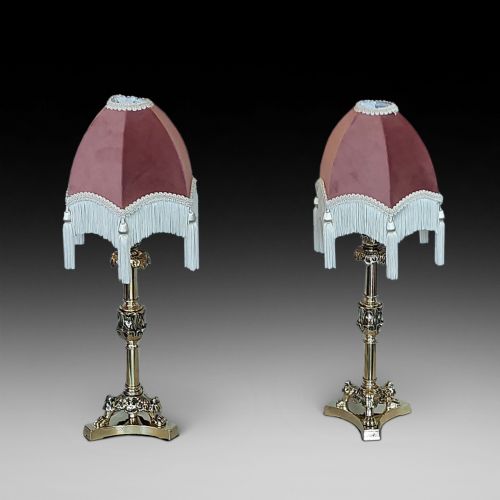
Regency table candlesticks bring the formal geometry of the early nineteenth century to a room, offering warm metalwork and classic columnar forms.
Regency Table Candlesticks
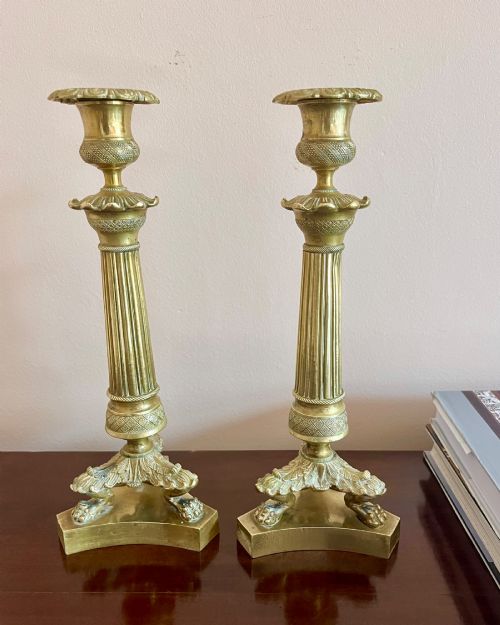
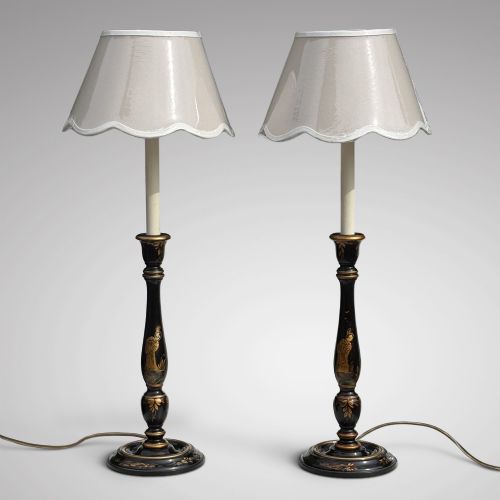
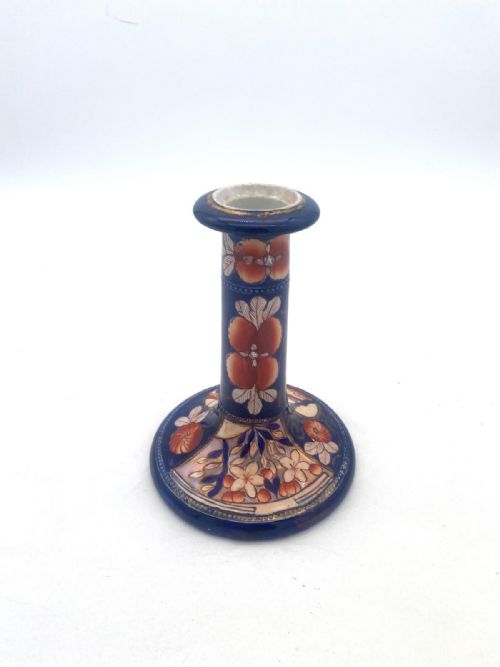
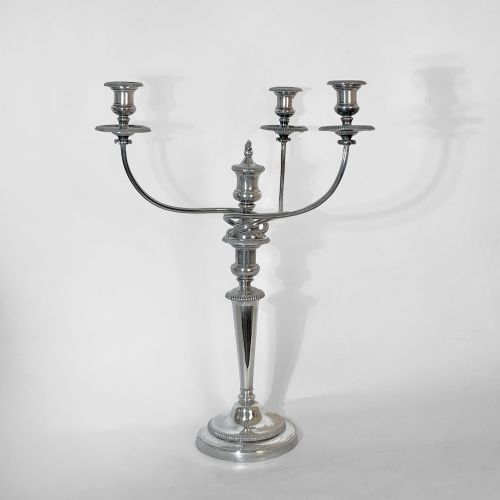
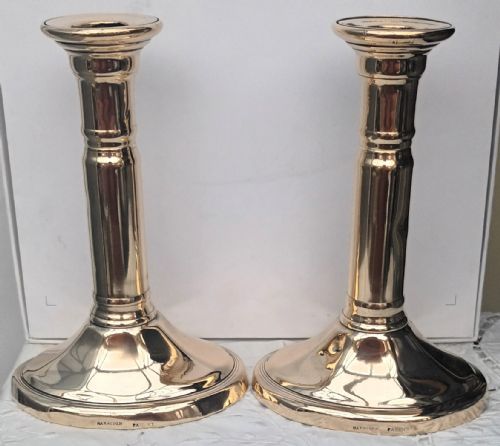
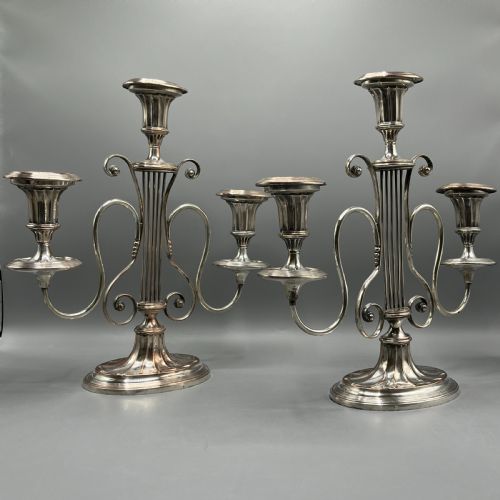
Regency table candlesticks comprise functional lighting pieces dating principally from the early nineteenth century, alongside later adaptations and revivals in the same classical spirit. The items seen in this selection span standard single-light brass stems, extendable forms, and multi-branched candelabra intended for formal dining or side tables.
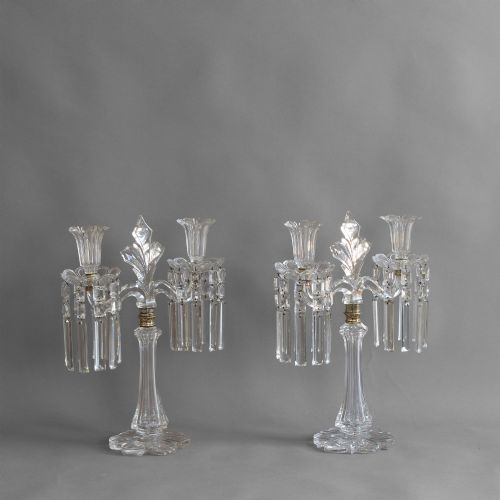
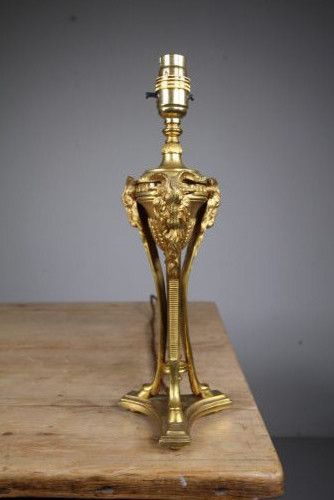
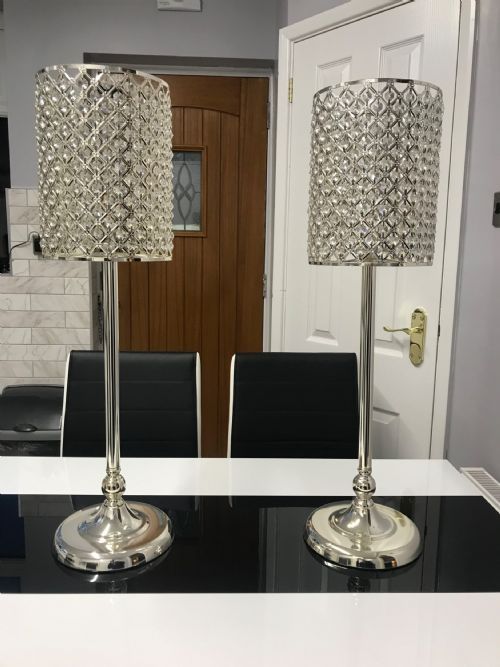
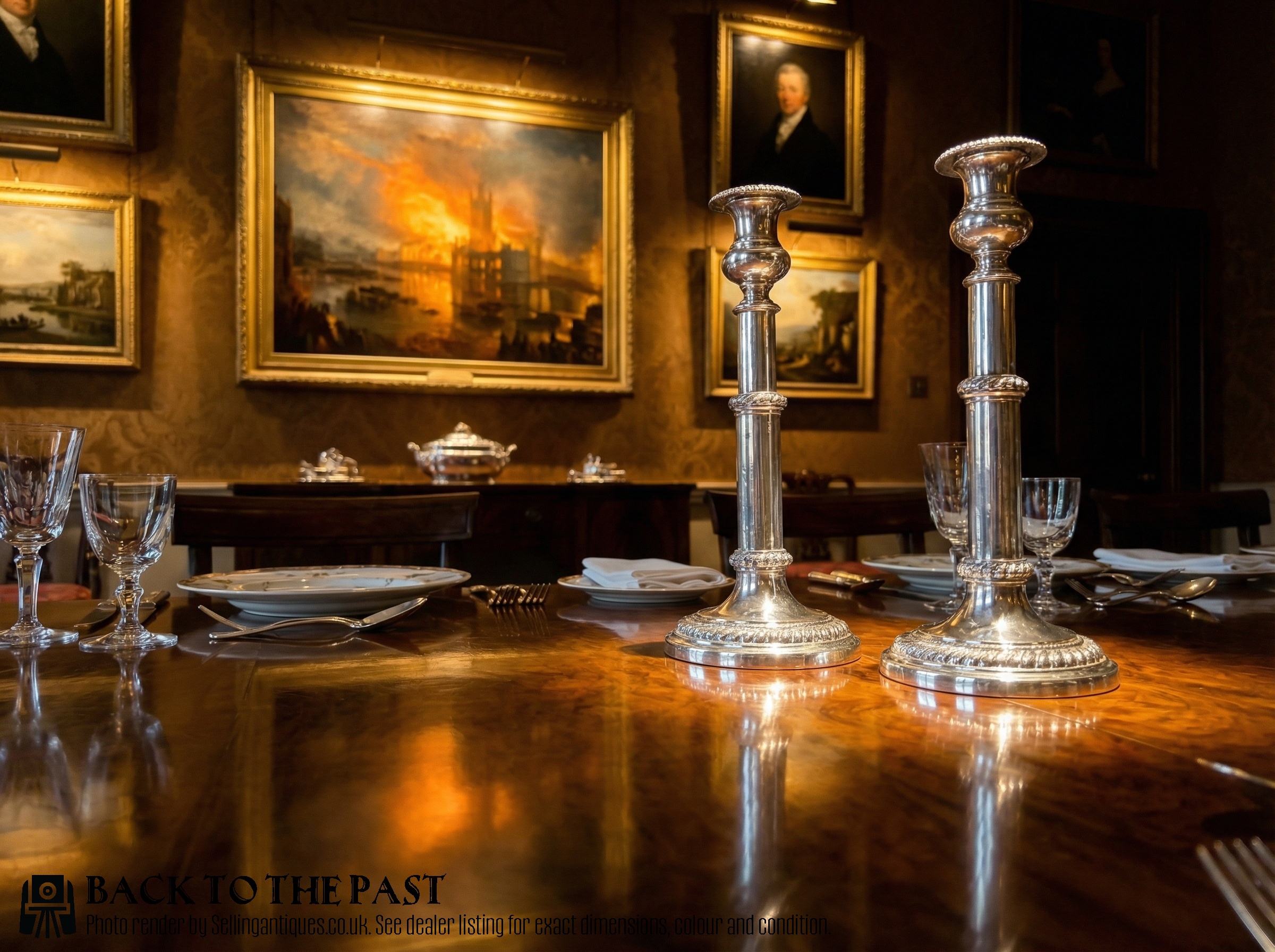
Most examples lean heavily on neoclassical design principles, featuring columns, urn sockets, and stepped circular or square bases. Alongside traditional brass and plated silver, the listings include bronze, ormolu, and combinations involving glass lustres or treen elements.
How they were made
Makers utilised cast brass, bronze, and copper to form the primary structural components, often turning sections on a lathe for smooth profiles. Plated items relied on fusing thin sheets of silver to a copper base, a technique characteristic of Old Sheffield plate.
Gilding, patination, and the integration of ormolu added decorative contrast, while specialised mechanisms such as telescopic columns allowed adjustable height through sliding brass tubes.
Merman twin-arm candelabra bring mythical sea creatures straight onto the dining table.
What varies in quality
Construction weight and the crispness of the cast ornamentation distinguish finer examples from standard production pieces. Sharp detailing on Corinthian capitals, cast bronze mounts, and animal motifs indicates superior craftsmanship.
The integrity of the metal surface, whether retained old patina or even silver plating over copper, dictates the visual success of the piece.
Harrison Patent·Galle
The Regency Table Candlesticks Glossary
- Ormolu
- Gilded bronze applied as a decorative mount, common in French Empire and Regency decorative arts. It provides a bright golden contrast against darker patinated bronze elements.
- Old Sheffield plate
- A composite material made by fusing a thin layer of silver to a copper ingot before rolling them into sheets. This technique predates modern electroplating.
- Pricket candlestick
- A form featuring a central spike rather than a socket to hold a candle. These are typically found on older or ecclesiastical altar-style pieces.
- Taper candlestick
- A diminutive holder specifically designed for small wax tapers used to seal letters or light pipes. They often appear in chamber formats.
- Lustre
- A decorative table object hung with cut glass prisms or pendants. They refract candlelight to create a sparkling visual display.
Regency Table Candlesticks: Frequently Asked Questions
How are old sheffield plated pieces identified?
Old Sheffield plate is recognised by the subtle copper bleed visible where the thin silver layer has worn through at high points or edges. This fused technique results in a warm, layered appearance distinct from uniform modern electroplate.
Items utilising this material date predominantly from the eighteenth and early nineteenth centuries before chemical plating methods took over.
Were these candlesticks electrified?
Many surviving examples have been converted to electricity for modern interior use, often with internal wiring threaded through the central column. This modification allows period illumination aesthetics to function safely alongside contemporary lighting.
Unconverted specimens retain their original socket forms and drop pans designed strictly for wax or tallow candles.
What distinguishes Regency style from Victorian pieces?
Regency design draws directly from strict neoclassical canons, favoring clean architectural lines, classical orders, and restraint in ornament. Bronze, ormolu, and polished brass dominate the palette with balanced proportions.
Victorian interpretations often introduce heavier mass, more eclectic ornamentation, and varied plating techniques that reflect the industrial shifts of the later nineteenth century.