




Regency Silver Gilt
Regency silver gilt brings brilliant golden warmth to sterling silver and Old Sheffield plate, offering rich historic elegance for the modern home.
Regency Silver Gilt
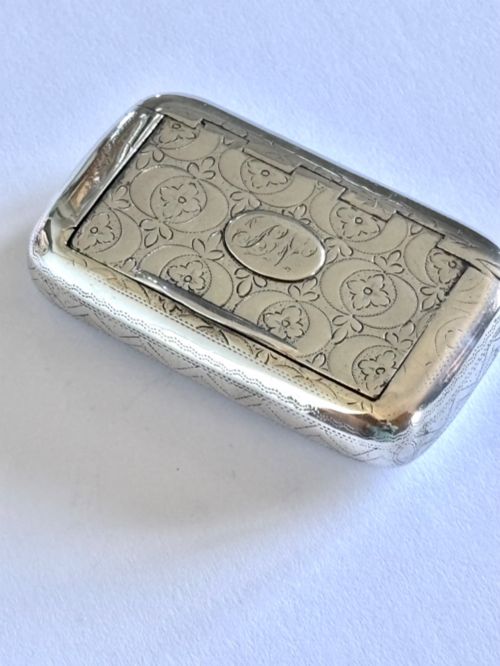
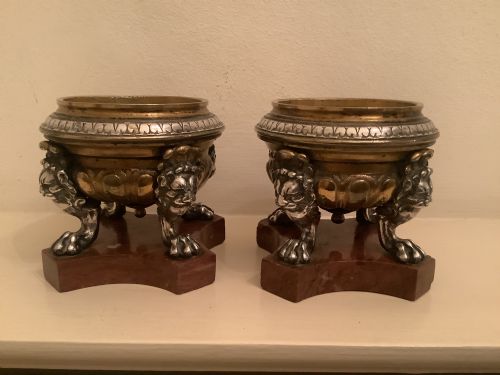
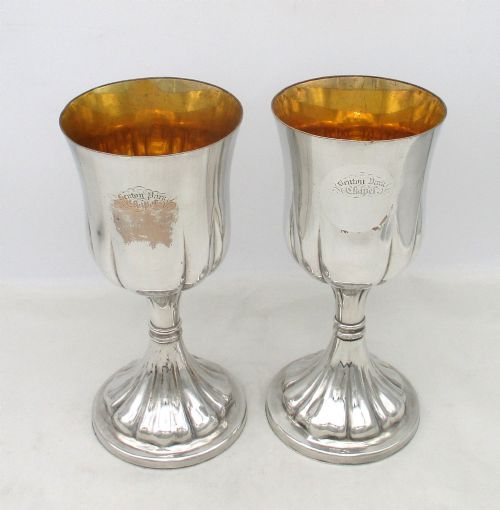
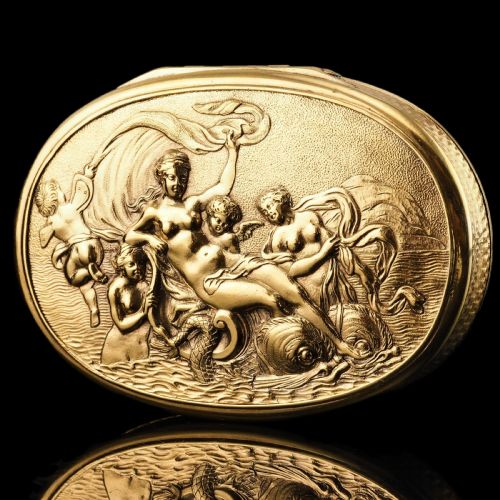
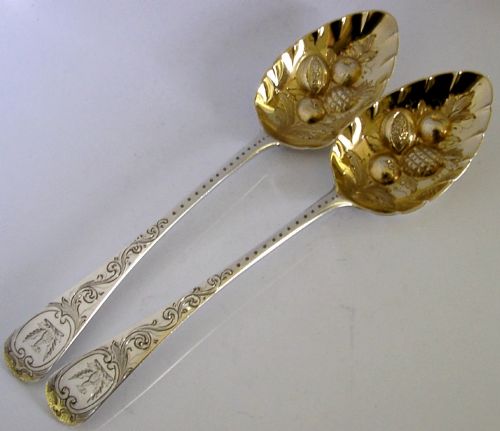
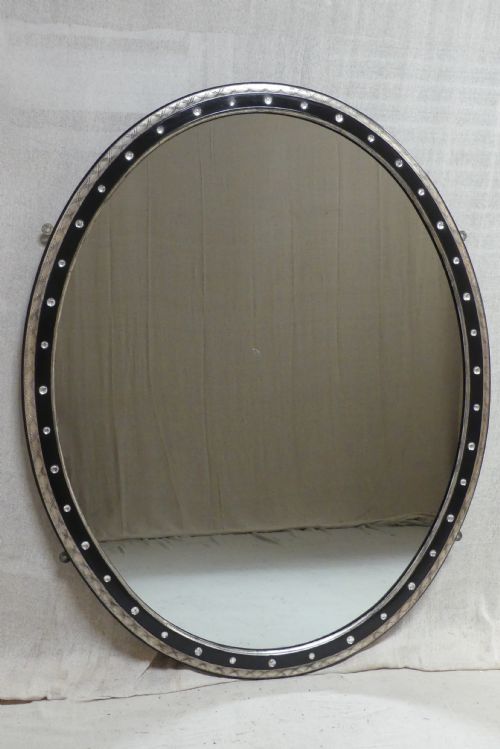
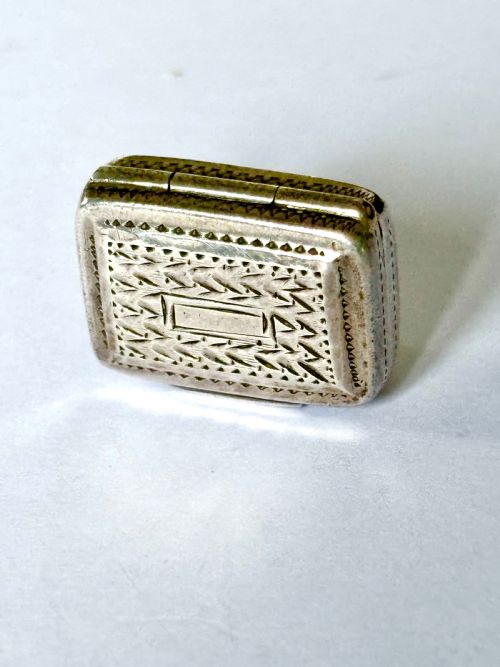
When searching for regency silver gilt, collectors encounter a diverse selection of dining wares, small accessories, and decorative furnishings spanning the Georgian period and the nineteenth century. The pieces recorded on this page range from intimate personal items like snuff boxes and vinaigrettes to substantial church chalices, serving spoons, and wall mirrors. While the stylistic descriptions embrace Regency, George IV, French Rococo, and William IV designs, the core offerings centre on refined metalwork enhanced by gilding.
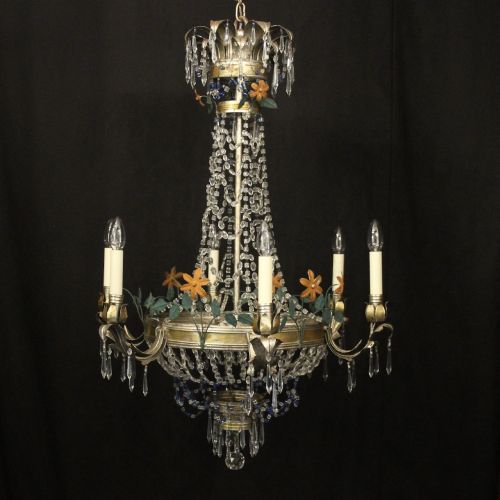
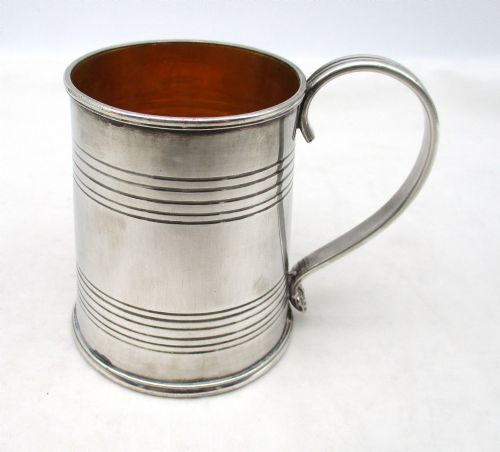
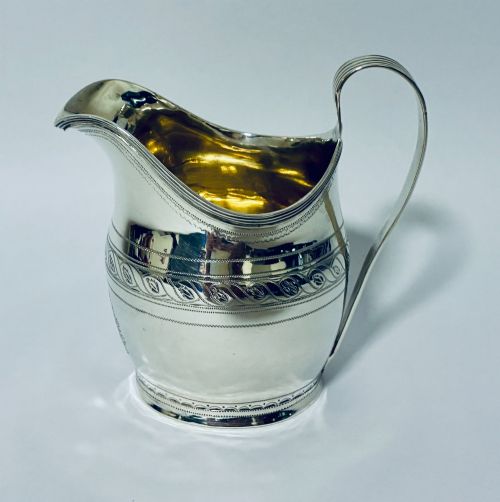
The objects themselves demonstrate both utilitarian and decorative purposes within domestic and ecclesiastical settings. Cream jugs, sugar bowls, and tankards sit alongside caddy spoons and salts, reflecting formal dining and social rituals of the era. Larger decorative elements such as parcel gilt oval mirrors and crystal chandeliers extend this aesthetic into architectural interior spaces.
Materials and methods
The primary structural materials utilised across these pieces include sterling silver, Old Sheffield plate, copper, glass, and wood. Old Sheffield plate combines a thin layer of silver fused to a copper base, creating durable vessels such as tankards and chalices with distinct metallic properties. Sterling silver provides the solid foundation for Georgian snuff boxes, vinaigrettes, and ornate berry serving spoons.
Surface enhancement relies heavily on gilding, described variously as silver gilt, gold gilt, and parcel gilt. This technique involves applying a thin layer of gold or gilt finish to silver or copper surfaces, creating a rich two-tone contrast between the golden interior or highlights and the reflective silver body.
Assessing quality and execution
Quality in these items is determined by the crispness of chased or engraved decorative details, such as the figural scenes on snuff boxes or the heraldic engraving on family crested serving spoons. Superior examples exhibit precise hand-craftsmanship by noted makers, maintaining sharp relief and clean gilding surfaces without excessive wear. Lesser pieces show softening of detail through heavy polishing or degradation of the plated and gilded layers.
The structural integrity of handles, hinges on small boxes, and the stability of mirror frames also dictate overall merit. Master silversmiths achieved harmonious proportions and robust construction that withstands centuries of handling, whereas utilitarian pieces from lesser workshops often display simpler assembly and more basic finishing.
John Bettridge·Paul Storr·William Eaton
The Regency Silver Gilt Glossary
- Silver gilt
- Silver that has been coated with a thin layer of gold, often referred to historically as vermeil. This treatment protects the underlying metal while providing a rich golden appearance.
- Old Sheffield plate
- An early form of composite metal made by fusing a sheet of sterling silver to a thicker copper base under heat and pressure. It is identifiable by a fine sliver of copper visible at cut edges.
- Parcel gilt
- A decorative finish where only specific portions of an object, such as the interior of a chalice or the highlights of a mirror frame, are gilded while the rest remains plain silver.
Regency Silver Gilt: Frequently Asked Questions
What is regency silver gilt?
Regency silver gilt refers to items made of sterling silver or plated metals that have received a surface application of gold. These objects combine the structural integrity of Georgian metalwork with a warm golden finish.
Collectors prize them for their decorative impact and the sophisticated chemical gilding techniques employed by period silversmiths.
How do I care for silver gilt?
Silver gilt requires gentle handling because aggressive polishing will wear away the delicate gold layer over time. Warm water, mild soap, and a soft cloth are usually sufficient for cleaning.
Avoid commercial silver dips entirely, as harsh chemical solutions strip the gilding from the underlying silver or copper substrate.
What is Old Sheffield plate?
Old Sheffield plate is an ingenious nineteenth-century material produced by fusing silver and copper together. This fusion created affordable tableware with the appearance of solid silver.
Items like child tankards and church chalices frequently utilised this method to balance durability with elegance.
How are vinaigrettes used?
Vinaigrettes served as personal deodorisers during the Georgian period when urban environments carried unpleasant odours. A sponge soaked in scented vinegar sat beneath a hinged decorative grille inside the small box.
Owners carried them in pockets or reticules for quick relief during social outings.