
Regency Side Table Castors
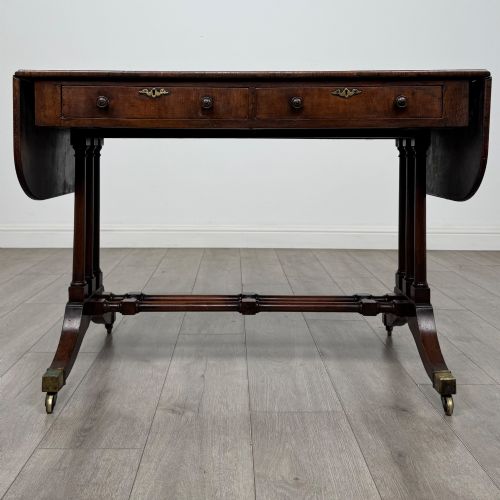
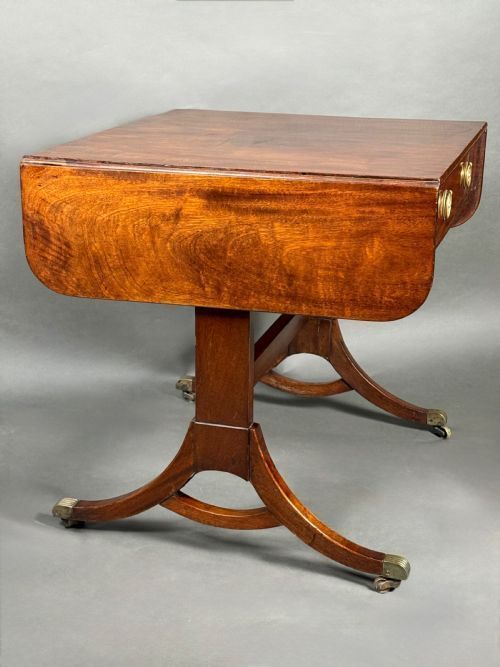
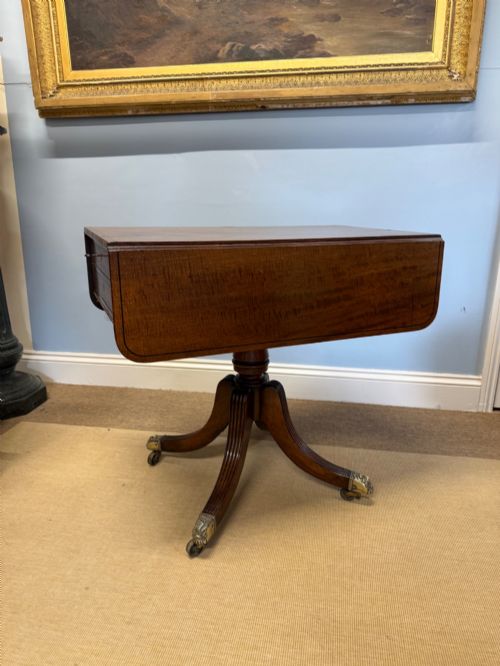
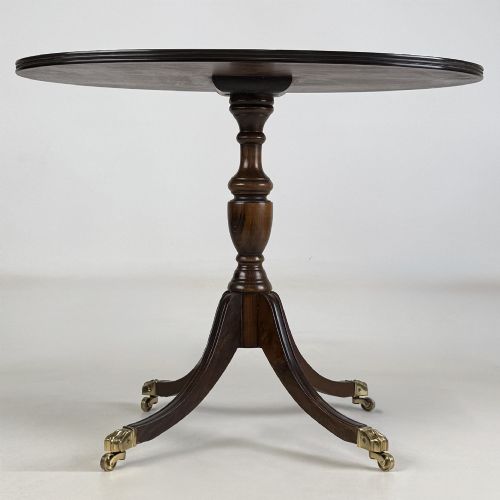
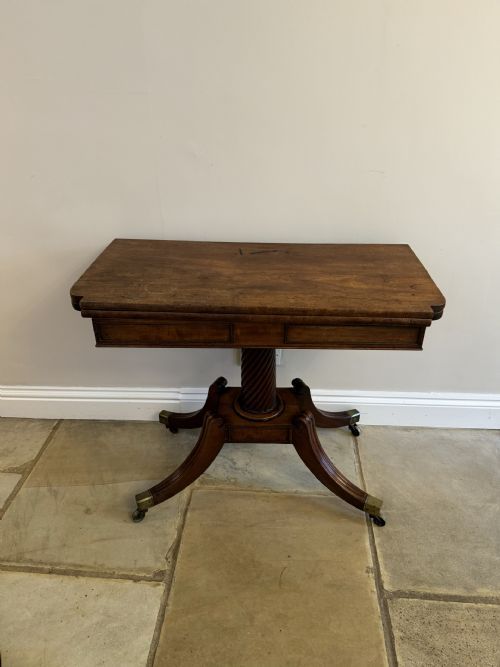
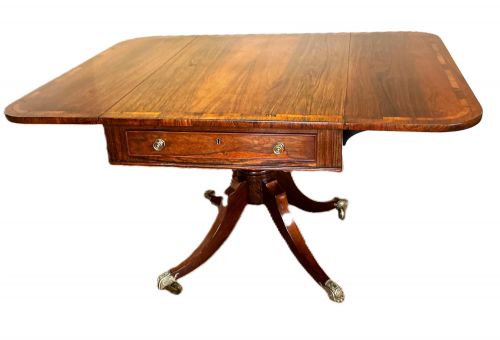
Regency side table castors denote the mobility of period furniture, typically mounted on brass wheel fittings beneath mahogany, rosewood and occasional timber tables.
Regency Side Table Castors
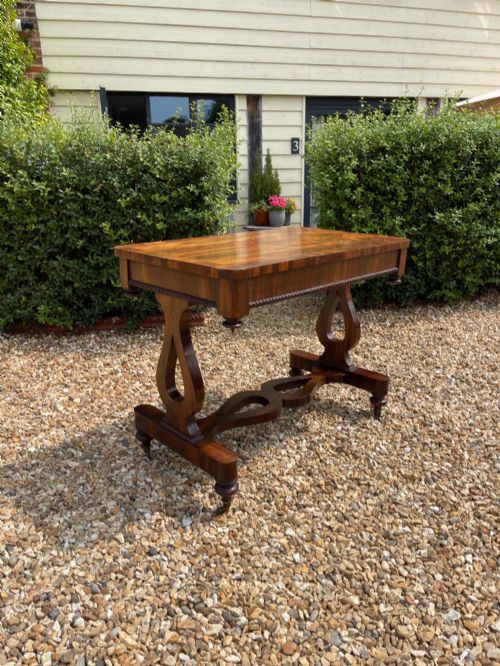
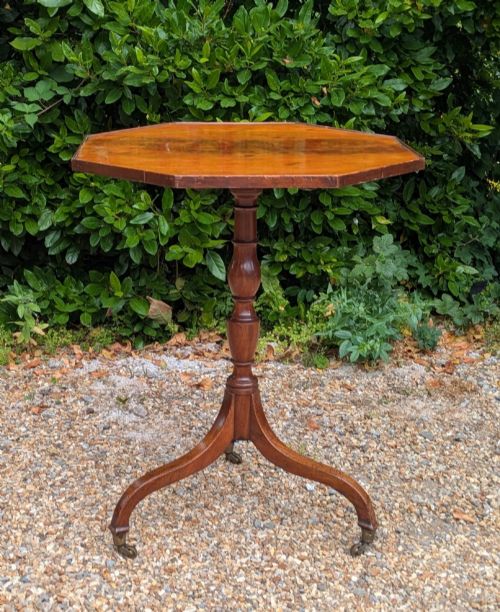
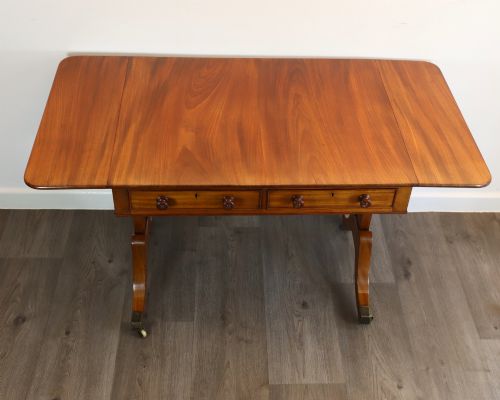
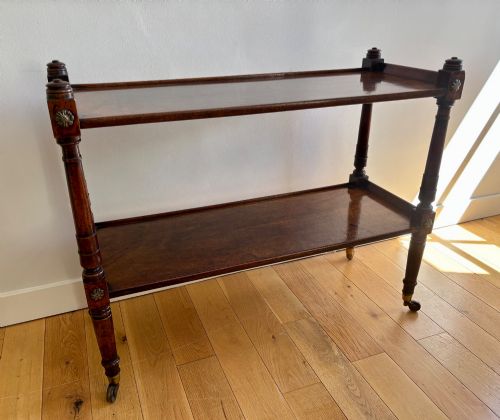
When searching for regency side table castors, buyers encounter a diverse selection of small tables designed for mobility within the home, including side tables, occasional tables, sofa tables and tea tables. These pieces frequently feature brass castors or sabots that allow the furniture to be moved easily across carpets and floorboards according to the needs of the room.
The dominant aesthetic draws heavily from the Regency period, alongside Georgian, George IV, William IV and later Regency Revival styles spanning the nineteenth century up to the 1930s. Mahogany is the most prevalent timber, accompanied by rosewood, yew wood, burr oak and birdseye maple, often enhanced with boxwood inlay, leather or fabric tops.
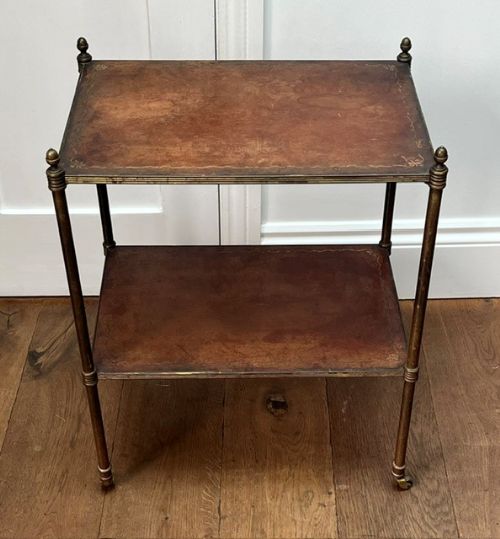
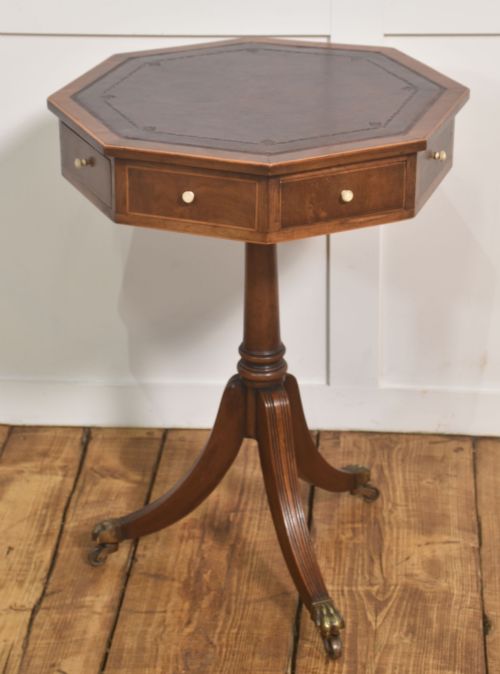
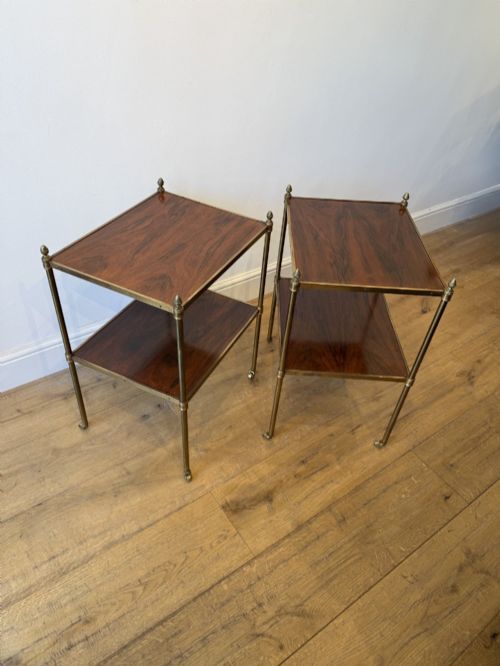
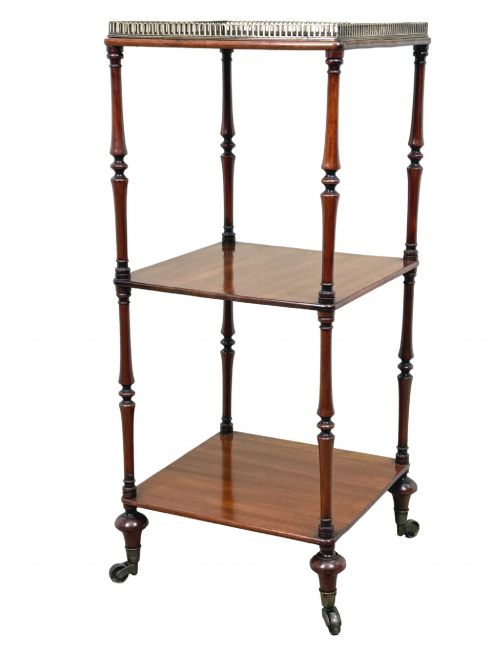
Forms vary from compact drop-flap library tables and drum tables to multi-tiered etageres, whatnots and tilt-top occasional tables. While many pieces originate directly from the early nineteenth century, subsequent revival periods also produced distinctive tables incorporating these functional wheel assemblies.
Materials and construction methods
Cabinet makers utilised dense native and imported timbers, primarily solid and figured mahogany, rosewood and yew wood, selected for stability and rich grain patterns. Surfaces were frequently decorated with contrasting boxwood stringing, delicate inlay, or fitted with tooled leather and fabric inserts.
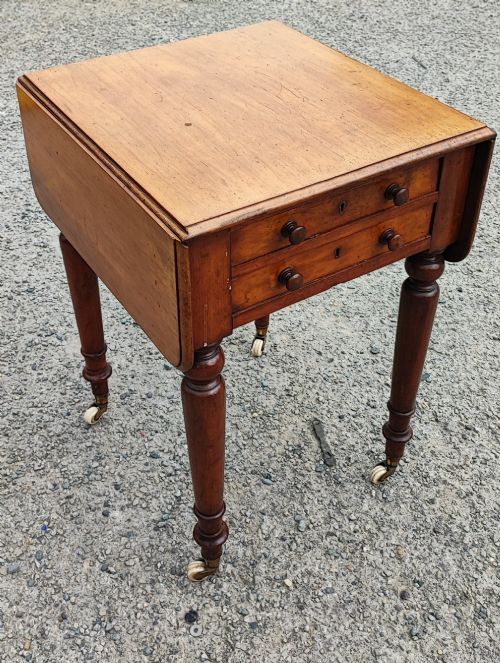
The metal components, specifically brass castors and sabots, were cast and turned to support the legs of card tables, writing tables and Pembroke tables. These metal fittings were integrated directly into the foot of the table to provide both protection to the timber and smooth manoeuvrability.
Some tables double as sewing and games stations, proving that Regency furniture took leisure very seriously indeed.
Factors determining quality
The sophistication of the timber figure and the precision of decorative inlays differentiate standard examples from finer productions. Exceptional pieces display highly figured flame mahogany or rosewood paired with intricate boxwood details and well-preserved brass hardware.
Structural integrity and the originality of the fittings play a major role in establishing standard. Tables retaining their original brass castors and functioning mechanisms, such as tilt-top actions or drop-flap supports, demonstrate superior craftsmanship.
The Regency Side Table Castors Glossary
- Castor
- A small wheel fitted to the legs of furniture to allow easy rolling movement. These metal and timber assemblies are characteristic of period writing and side tables.
- Sabot
- A metal shoe or sleeve fitted over the foot of a table leg. They frequently incorporate castors to protect the timber base.
- Pembroke table
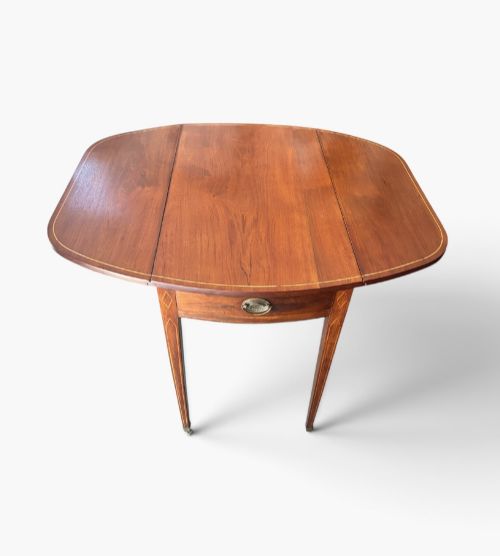
- A small rectangular table featuring hinged drop leaves on two opposing sides. They often include drawers and rest upon wheeled supports.
- Etagere
- A movable set of open shelves used for displaying small items or holding books. These tiered pieces often incorporate brass castors for mobility.
- Drum table
- A circular library or occasional table featuring a deep frieze containing drawers. They usually stand on a central pillar supported by reeded legs and castors.
Regency Side Table Castors: Frequently Asked Questions
What is a regency side table with castors used for?
These tables served flexible functions in nineteenth-century rooms, acting as convenient surfaces for sewing, reading, writing, or serving tea.
Because they were fitted with wheels, occupants could easily reposition them beside seating areas or move them around the room as daily activities required.
How do I identify a true Regency period table?
Genuine Regency pieces date approximately from the early nineteenth century and exhibit specific classical revival characteristics. Look for architectural proportions, mahogany or rosewood timbers, and brass castors that show appropriate signs of age.
Subsequent nineteenth-century revival pieces and later twentieth-century interpretations often emulate these forms using similar materials.
Are the castors on these tables usually original?
Many tables retain their original brass wheel fittings, which were designed to bear the weight of the piece during movement.
Due to centuries of use, some castors have undergone replacement with period-appropriate or later metal hardware, making close inspection of the fixing points worthwhile.
What woods were used for these tables?
Mahogany is by far the most common timber found on these tables, often utilised for its strength and rich grain. Rosewood, yew wood, burr oak and birdseye maple also appear across various occasional, card and sofa table designs.