





Regency Scene Oil Painting
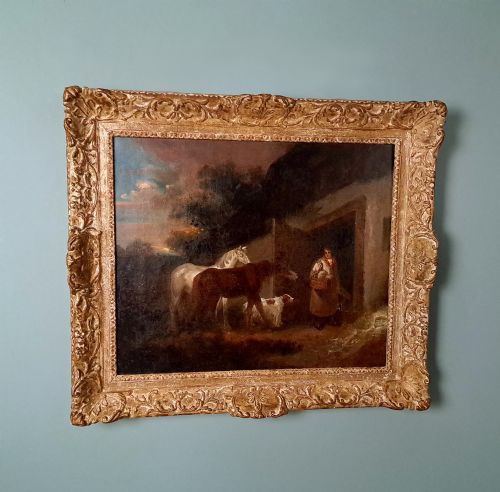
A regency scene oil painting captures the distinct pastoral, maritime and sporting life of the early nineteenth century through pigment on canvas or wood.
Regency Scene Oil Painting
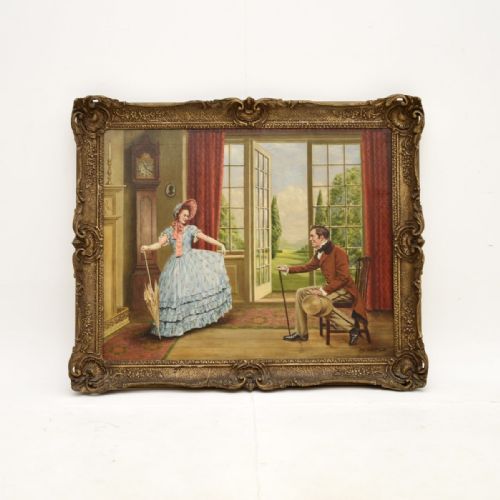
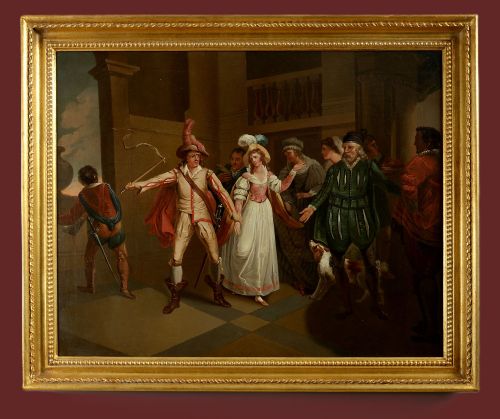
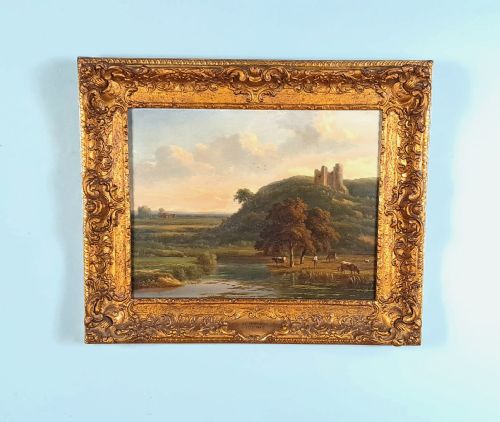
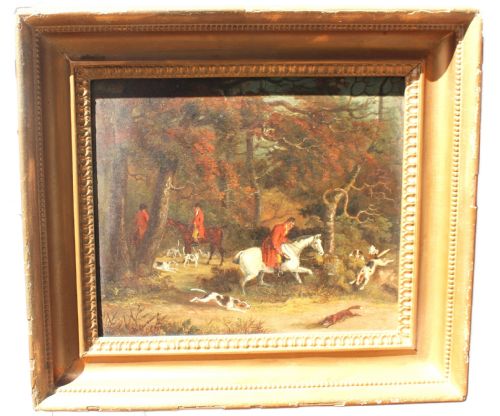
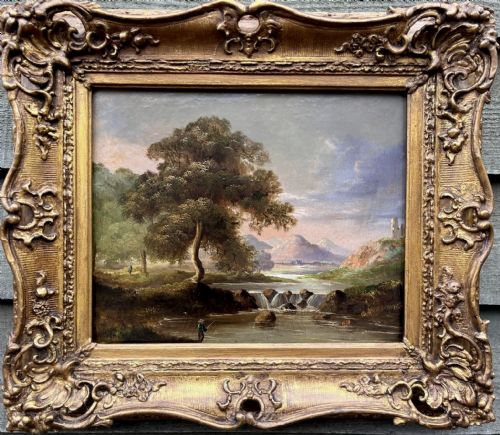
A regency scene oil painting comprises works executed during the Georgian and Regency periods, alongside later nineteenth-century interpretations of pastoral and genre subjects. These works depict coastal landscapes, domestic interiors, architectural settings and rural pursuits such as fox hunting and coaching.
The version most commonly encountered on this page is the early nineteenth-century oil painting on canvas or wood panel. Such pieces record English landscapes, windmills, harbours and sporting scenes created by regional and named British artists.
How they were made
Artists applied oil paint to stretched canvas or prepared wood panels using traditional brushwork techniques. Many surviving frames incorporate wood and gesso with gilt or giltwood finishes.
Supports range from canvas and canvass to wood panels, often housed within period surrounds that complement the palette and subject matter of the nineteenth-century composition.
Regency Scene Oil Painting Retail Price Guide 2026
Typical asking prices for regency scene oil painting among the pieces listed under this phrase on Sellingantiques today, from the lower quarter to the upper quarter. They describe what is for sale here now, not the wider market.
One domestic interior captures a gentleman's shaving ritual abruptly interrupted by his wife.
What varies in quality
Quality separates through the precision of brushwork and the handling of light within coastal landscapes, architectural views and domestic interiors. Finer examples display confident draughtsmanship in figures, animals and spatial depth.
The integrity of the original surface, the preservation of the oil paint and canvas, and the character of the associated gilt or wood frame influence the overall distinction of each piece.
William Joseph Shayer Senior·Alfred Lyndon Grace·T C Hofland·Rolinda Sharples·Samuel John Egbert Jones·Dean Wolstenholme
The Regency Scene Oil Painting Glossary
- Oil paint
- A slow-drying paint made by combining pigments with a drying oil, typically linseed oil. This medium allowed artists to achieve rich tonal gradations and depth.
- Wood panel
- A rigid flat support made from timber used instead of canvas. Artists frequently utilised panels for smaller landscape and genre compositions.
- Giltwood
- Wood that has been coated with a thin layer of gold leaf or powder. It provides decorative framing for nineteenth-century canvases.
- Norwich School
- The first provincial art movement in Britain, flourishing in the early nineteenth century. Painters in this circle focused on local landscapes and rural scenery.
- Genre painting
- The pictorial representation of scenes from everyday life. These works typically feature people in domestic interiors, coaching halts or rural settings.
Regency Scene Oil Painting: Frequently Asked Questions
What subjects do these paintings show?
The listings feature coastal landscapes, domestic interiors, architectural settings and rural sports. Artists recorded hunting scenes, coach travel and flatland views.
Subjects also encompass maritime vistas and portraits set within specific historical environments from the Georgian era.
How are canvas and panel works cared for?
These oil paintings require stable indoor environments away from direct sunlight and excessive humidity. Regular dusting with a soft, dry brush maintains the surface.
Framed works should be hung securely using appropriate fixings suited to the weight of the wood and gesso surrounds.
What periods do these artworks represent?
The pieces span the eighteenth and nineteenth centuries, with a strong concentration on the Regency and Georgian eras. Dates range from the late seventeen-hundreds through to eighteen-eighty.
Works reflect the stylistic conventions of British pastoral, naive art and the Norwich School during this timeframe.
How do I distinguish regional schools?
Regional schools often display specific geographic focuses, such as the flatland and windmill scenery associated with Norwich painters. Coastal landscapes reveal distinct maritime lighting conventions.
Examining the handling of foliage, water and figures helps differentiate between naive works and formal academic output.