





Regency Satinwood Pedestal Table
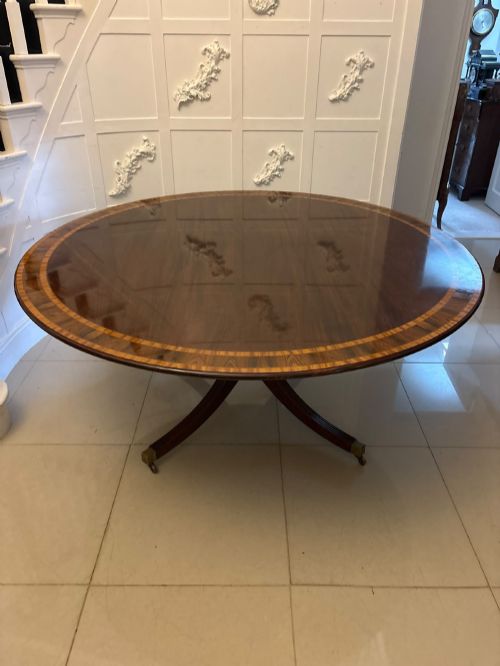
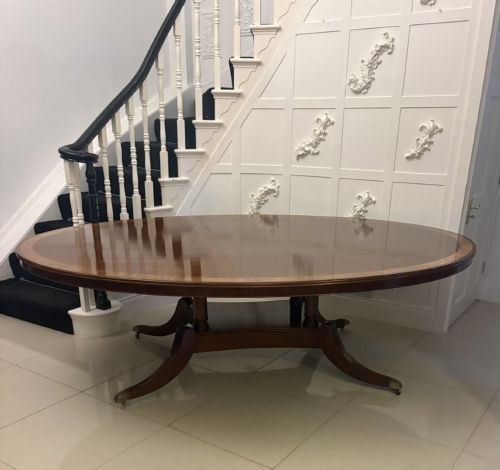
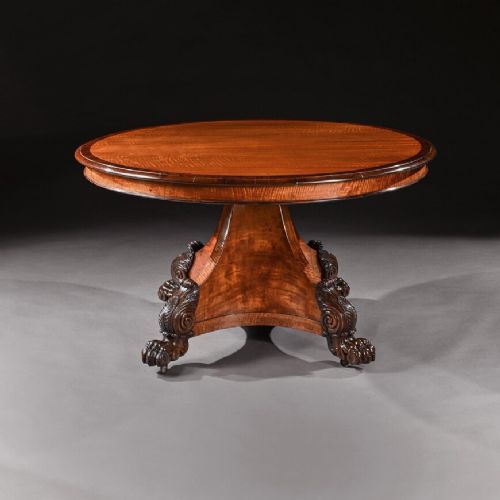
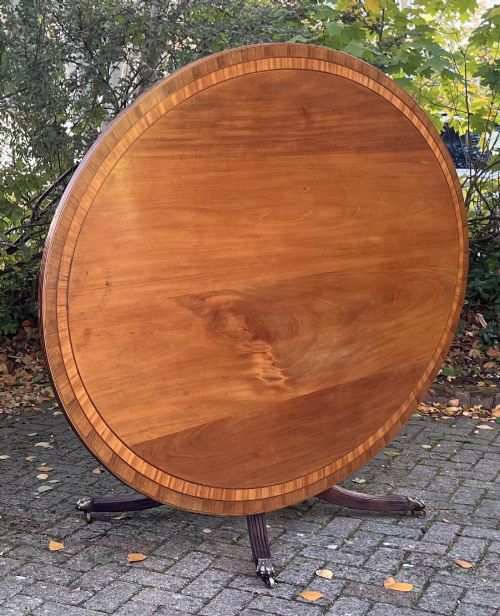
A regency satinwood pedestal table brings glowing golden timbers and architectural pillar bases together to anchor a traditional room with refined grace.
Regency Satinwood Pedestal Table
When you search for a regency satinwood pedestal table, you look for light exotic timber surfaces raised on central column supports rather than four corner legs. These pieces emerge from periods such as the Georgian and Regency eras, alongside later revivals including Sheraton Revival and Edwardian interpretations.
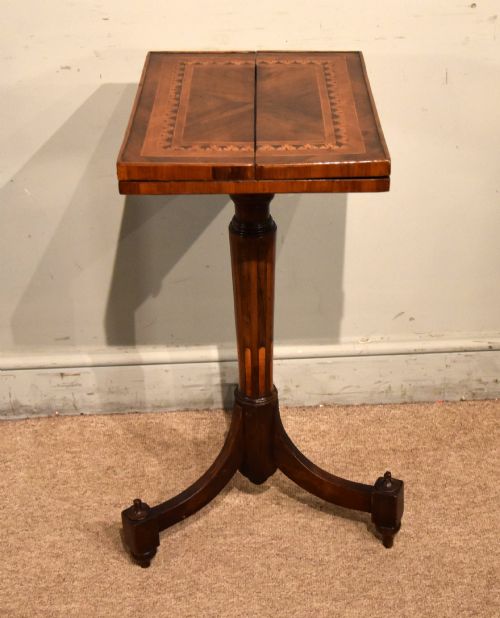
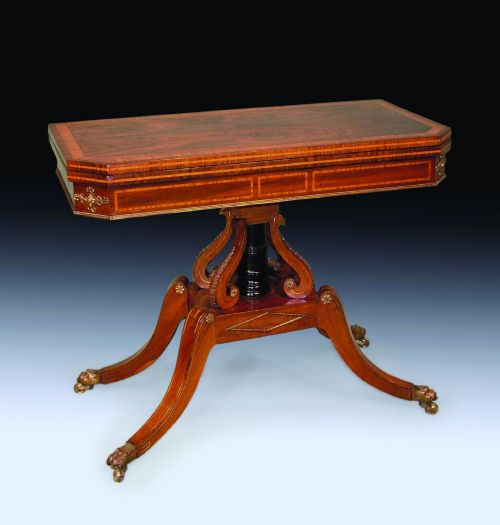
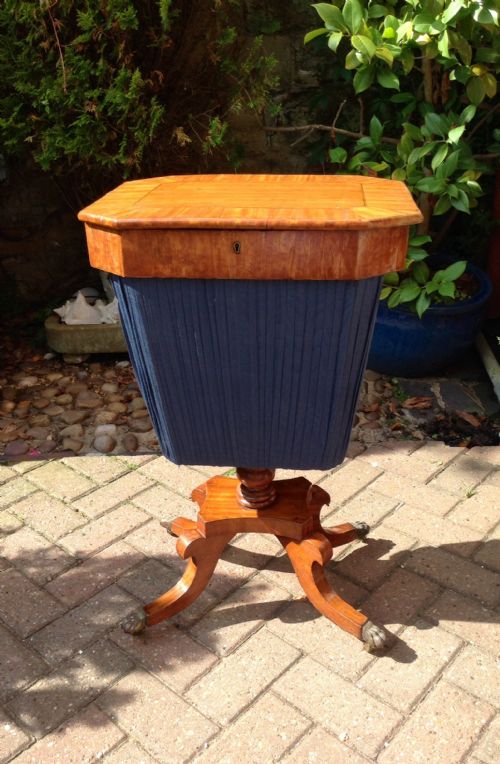
The forms on this page span card tables, games tables, centre tables, sofa tables, and occasional tables supported by single pedestals or tripod bases. The most common survivals pair satinwood banding, veneers, or full surfaces with contrasting woods like mahogany and rosewood.
Origin points range from English workshops to Ceylonese and Maltese makers, incorporating regional timbers alongside traditional cabinet woods. Buyers encounter everything from compact wine tables to larger breakfast and dining formats built on central pillars.
Materials and construction techniques
Cabinetmakers utilised satinwood for its luminous golden grain, frequently applying it as fine veneer or solid primary timber over sturdy carcase woods like mahogany. Workshops added contrast through inlay and crossbanding using ebony, boxwood, and rosewood.
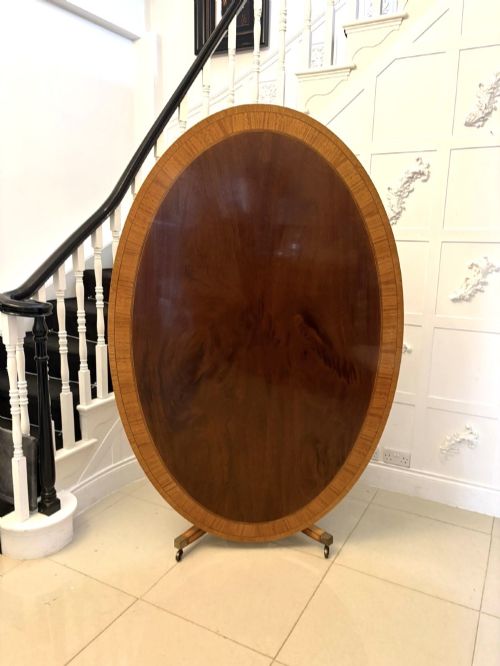
Pedestal supports often feature turned or carved pillars rising from tripod legs or platform bases, frequently fitted with brass paw castors. Tops employ radial veneering, marquetry, and delicate stringing to showcase the natural figuring of the timber.
Regency Satinwood Pedestal Table Retail Price Guide 2026
Typical asking prices for regency satinwood pedestal table among the pieces listed under this phrase on Sellingantiques today, from the lower quarter to the upper quarter. They describe what is for sale here now, not the wider market.
Periods represented span 18th Century, Georgian, George III, Regency, 19th Century, 1860, 1880, 1890, 1900, Edwardian, and 1920.
Judging quality in satinwood pedestal furniture
The distinction between tiers rests upon the crispness of the inlay work and the richness of the timber figure. Master workshops selected satinwood with intense chatoyancy and matched veneers symmetrically across the table top.
Structural integrity of the central pillar and its connection to the base dictate longevity. Superior examples maintain tight joints at the pedestal junction and retain original brass hardware and castors without modern replacement.
Gillows of Lancaster·Peters of Genoa
The Regency Satinwood Pedestal Table Glossary
- Satinwood
- A hard, durable tropical timber known for its golden lustre and silky sheen. It serves as both a solid medium and a prized veneer.
- Pedestal base
- A central column support rising from a platform or tripod foot, freeing up knee room around the table edge.
- Crossbanding
- A narrow strip of veneer laid around the border of a table top with the grain running perpendicular to the centre.
- Card table
- A folding table designed for games, featuring a hinged top that opens to reveal a baize-lined playing surface.
- Marquetry
- Decorative patterns created by fitting together small pieces of tinted woods, veneers, and shell into the surface design.
Regency Satinwood Pedestal Table: Frequently Asked Questions
How do I use a pedestal table in a modern room?
A pedestal base allows chairs to tuck underneath cleanly, making these pieces practical as centre tables, games tables, or lamp surfaces in reception spaces. Their warm golden tones pair naturally with neutral walls and darker wood furniture.
Position a round or oval table where light catches the satinwood grain, or place a fold-over card table against a wall until needed for entertaining.
What is the difference between Regency and revival pieces?
Original Regency and Georgian pieces date from the late eighteenth and early nineteenth centuries, displaying period construction methods and patination developed over two centuries. Revival pieces, such as those from the Edwardian period or nineteen-twenty, emulate these earlier styles using contemporary workshop methods.
Both categories utilise fine satinwood veneers and pedestal architecture, but period pieces carry the distinct age and wear of early manufacture.
How do I care for satinwood veneer?
Protect satinwood surfaces from direct sunlight to prevent the golden timber from darkening or fading unevenly over time. Use coasters and avoid placing hot items directly on the polished finish.
Dust regularly with a soft, dry cloth and apply occasional high-quality beeswax to nourish the wood and maintain its natural lustre.