



Regency Samovar
Regency samovar pieces bring genuine Georgian warmth to a room, offering striking metalwork designed to heat water for tea.
Regency Samovar
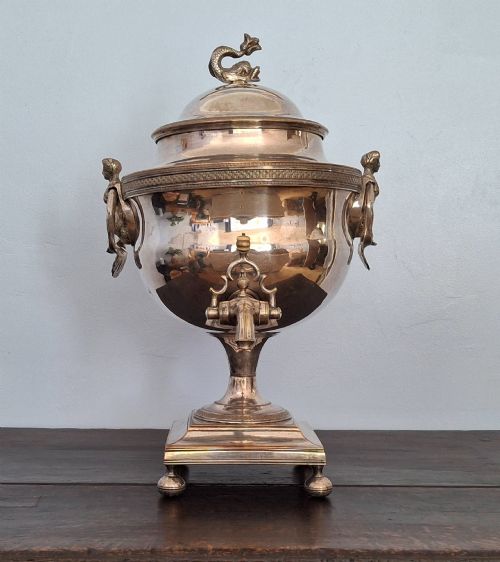
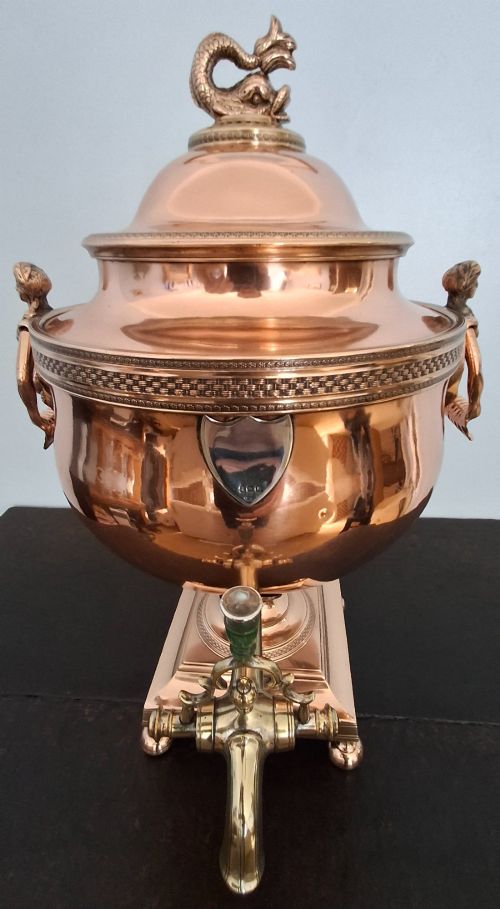
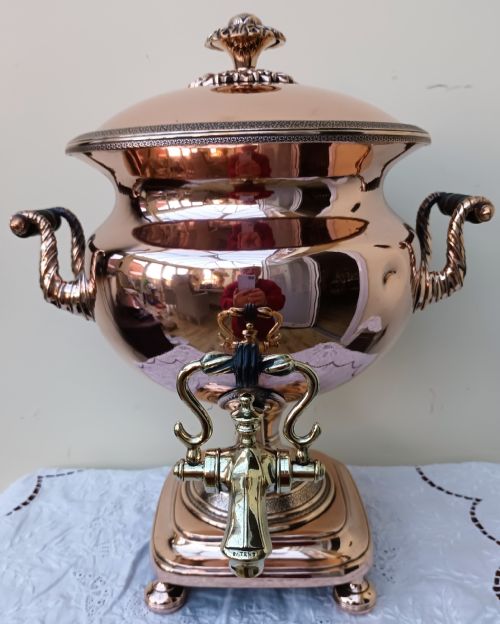
A regency samovar is a large vessel used for boiling water, appearing in forms such as tea urns, coffee urns, and combined tea urns and samovars.
The pieces on this page span the georgian and regency periods, with dates ranging from seventeen ninety-five to eighteen thirty.
Buyers will most frequently encounter copper and silver plated examples alongside occasional bronze, brass, toleware, and tinplate pieces.
How they were made
Metalworking techniques of the period shaped copper and brass into graceful urn bodies, often complemented by silver plating or gold leaf detailing.
Toleware coffee urns from the early nineteenth century utilise painted metal surfaces to achieve a refined decorative finish.
Regency Samovar Retail Price Guide 2026
Typical asking prices for regency samovar among the pieces listed under this phrase on Sellingantiques today, from the lower quarter to the upper quarter. They describe what is for sale here now, not the wider market.
Listings feature items spanning the nineteenth century, including specific dates from eighteen hundred through to eighteen thirty.
What varies in quality
Quality differences lie in the purity of the metalwork, the crispness of neoclassical styling, and the integrity of the surface finish across copper, bronze, and silver plate.
Pieces bearing specific dates or attributed to grand regency and georgian neoclassical designs typically display finer decorative execution.
The Regency Samovar Glossary
- Samovar
- A heated metal container traditionally used to boil water for tea. These vessels sit on a base and often include a spigot.
- Toleware
- Enamelled and painted metalware popular in the nineteenth century. It provides a smooth surface for detailed artistic decoration.
- Silver Plate
- A thin layer of silver applied to a base metal such as copper. This technique offered the appearance of solid silver at a lower cost.
- Neoclassical
- A style drawing inspiration from classical antiquity. It influences the clean lines and balanced proportions seen on these urns.
Regency Samovar: Frequently Asked Questions
What is a regency samovar used for?
These vessels were designed to heat and dispense water for tea or coffee during formal gatherings in large households.
Today, they serve primarily as decorative centrepieces that bring period character to dining rooms and living spaces.
How do I date a copper tea urn?
Dating relies on stylistic markers such as georgian neoclassical proportions, manufacturing techniques, and any inscribed dates on the body.
Most surviving examples originate from the late eighteenth century through to the early decades of the nineteenth century.
Are silver plated samovars durable?
Silver plate from the period applies a thin layer over base metals like copper, requiring gentle care to preserve the finish.
Polishing should be done with minimal abrasion to protect both the underlying metal and the applied plating.
What materials are common in these urns?
Copper and silver plate dominate the selection, though variations include bronze, brass, tinplate, and painted toleware.
Each material reflects the prevailing manufacturing methods and aesthetic tastes of the regency era.