



Regency Period Ring
These pieces of a regency period ring range from cluster designs to door knockers, offering authentic Georgian and nineteenth century craftsmanship.
Regency Period Ring
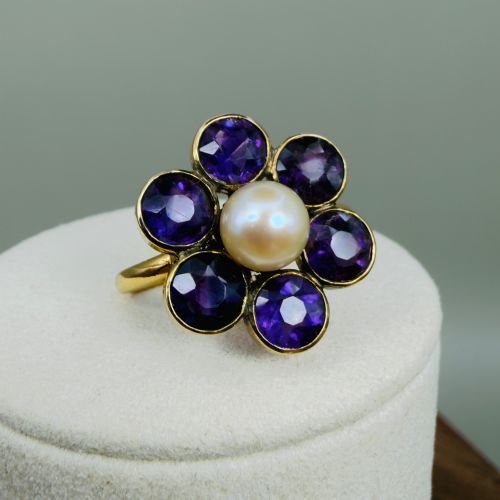
When buyers search for a regency period ring, they encounter finger jewellery alongside architectural hardware like door knockers. The finger rings span cluster designs set with amethyst, pearl, sapphire paste, emerald, and diamond.
The most likely items to meet on this page are finger rings from the georgian and nineteenth century periods. These encompass gold and silver settings originating from the regency era.
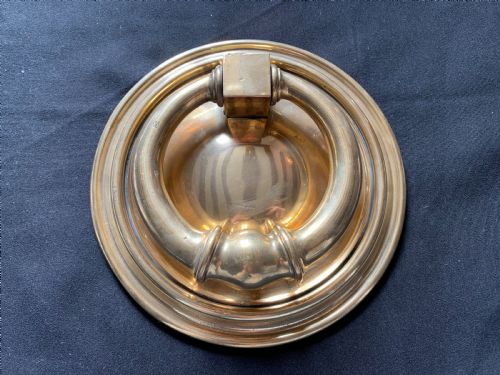
Alongside wearable rings, the evidence includes hardware items styled as rings, such as cast iron door knockers modelled with leopard masks.
How they were made
The jewellery pieces utilise eighteen-carat gold and silver to mount gemstones including amethyst, pearl, sapphire paste, emerald, and diamond. Metalwork techniques shape these precious metals into secure cluster formations around central stones.
Hardware items are cast in brass and iron, forming robust architectural elements such as door knockers. These objects utilise moulding and finishing techniques suited to heavy metal fixtures.
A cast-iron door knocker arrives complete with a ferocious leopard's mask staring from the centre of a laurel wreath ring.
What varies in quality
Quality in these items rests upon the finesse of the metalwork and the selection of gemstones or materials. Finer examples display meticulous setting of stones like emerald and diamond within eighteen-carat gold or silver.
Cast metal items depend on the crispness of the modelling, visible in details like laurel wreaths and leopard masks on iron and brass knockers. The distinction lies in the precision of the form rather than the material alone.
The Regency Period Ring Glossary
- Cluster ring
- A ring featuring a central gemstone surrounded by a cluster of smaller stones. This configuration maximises visual impact and light reflection.
- Georgian
- Pertaining to the period of the British kings named George between 1714 and 1830. This era encompasses the regency style.
- Regency
- A subset of the georgian period spanning the early nineteenth century. It is defined by classical restraint and elegance.
- Paste
- Hand-cut glass used to imitate gemstones in historic jewellery. Skilled artisans shaped and foiled these glass stones to catch the light.
Regency Period Ring: Frequently Asked Questions
What is a regency period ring?
A regency period ring is a piece of antique jewellery originating from the early nineteenth century. These items showcase the distinct aesthetic preferences of the georgian era.
They frequently feature cluster settings with stones such as amethyst, pearl, and diamond. Some examples combine gold and silver in their construction.
How do I date a regency ring?
Dating a regency ring involves examining the materials, gemstone cuts, and mounting techniques characteristic of the early nineteenth century. Specific markers include eighteenth and nineteenth-century hallmarks and structural forms.
Comparing the piece against documented georgian and regency designs helps confirm its period of origin. Metal composition also provides strong clues to the decade of manufacture.
What stones are used in these rings?
These rings utilise a variety of precious and imitation stones set in gold and silver. Common minerals include amethyst, pearl, emerald, and diamond.
Additionally, historic pieces sometimes incorporate sapphire paste. This glass substitute provided vibrant colour during the regency period.
Are all these items jewellery?
Not all items associated with this search phrase are worn on the hand. The category includes architectural hardware designed with ring motifs.
Examples of non-jewellery items include brass and cast-iron door knockers. These objects utilise ring forms for functional hardware purposes.