
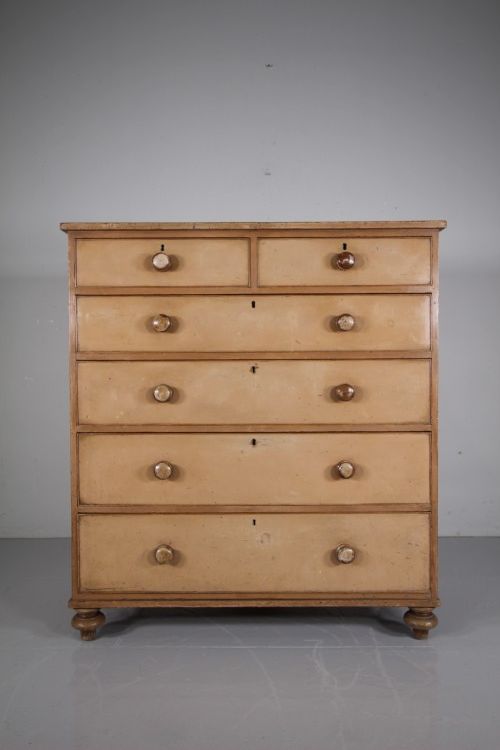


Regency Painted Chest Drawers
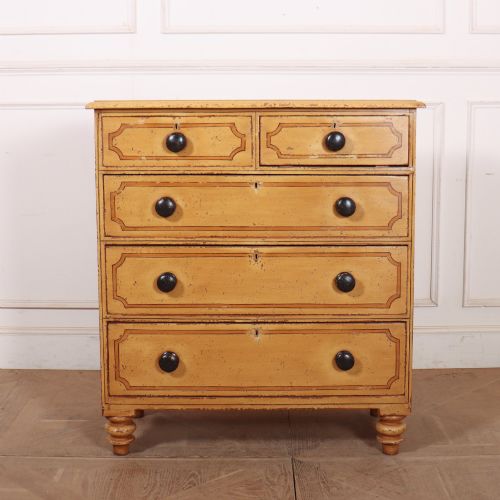
Regency painted chest drawers bring surface colour and practical storage into a room, fashioned from softwood and pine during the early nineteenth century.
Regency Painted Chest Drawers
A regency painted chest drawers is a storage piece primarily constructed during the nineteenth century, often appearing in English country or Regency styles. Buyers searching this phrase look for standard drawer arrangements, linen presses, or bowfront forms that combine practical compartment space with decorative surface treatments.
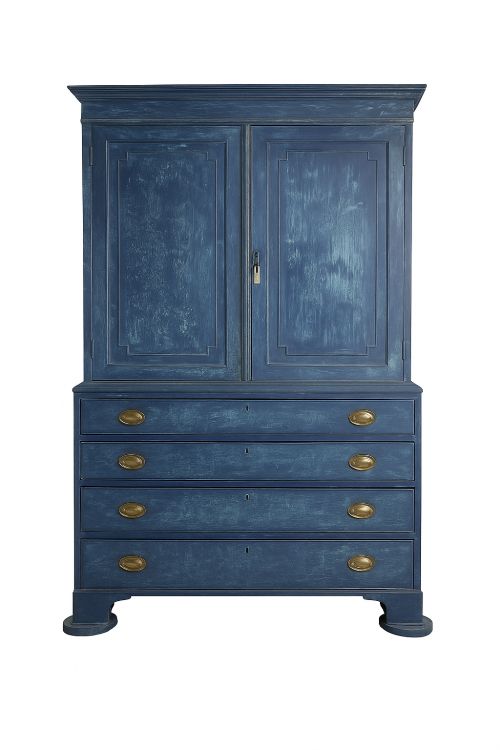
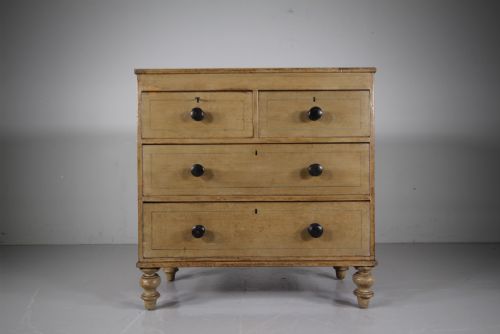
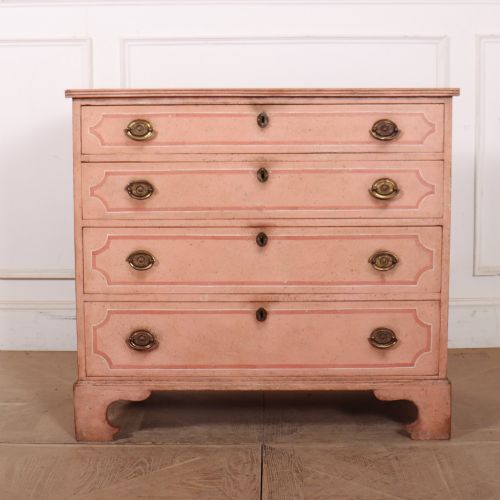
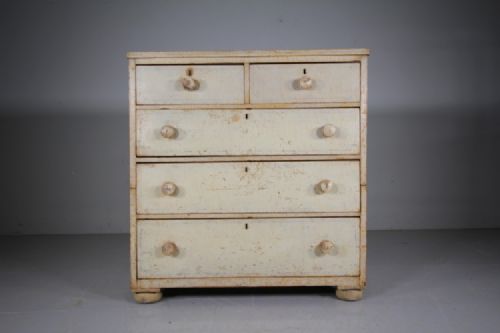
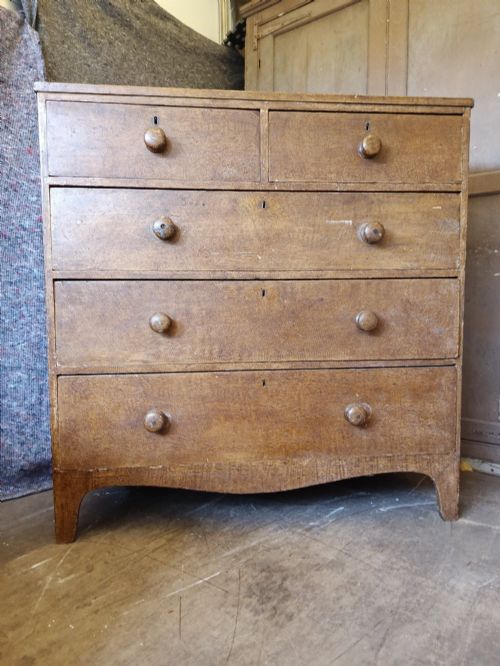
The most common version met on this page is the painted pine chest of drawers, frequently dating from the Regency period or early nineteenth century. These items often arrive in original paint, sometimes built in two parts for easier movement around domestic spaces.
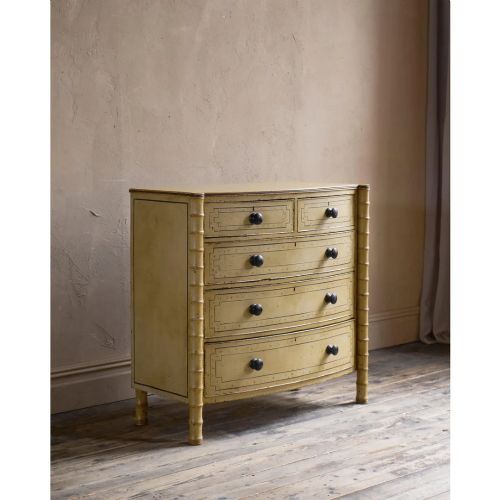
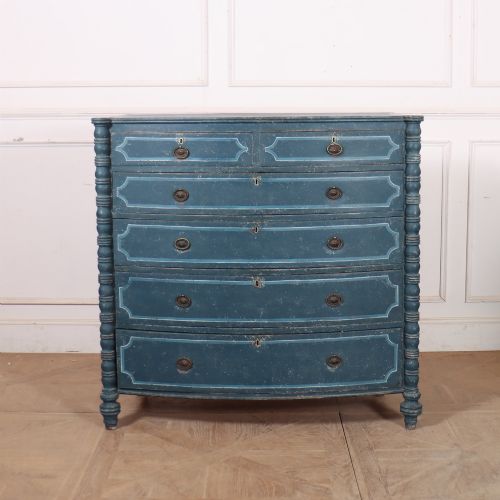
Beyond standard chests, variations include bowfront profiles, faux bamboo framing, ebonised finishes, and occasional penwork table cabinets. Origins centre firmly on English workshops operating across the Georgian and Regency eras.
Materials and construction methods
Makers relied principally on pine, softwood, and timber carcases to build these chests, occasionally incorporating brass hardware for drawer pulls and key escutcheons. Surfaces were then treated with paint, simulated finishes, or penwork decoration to alter the visual appearance of the underlying wood.
Construction involved joining timber boards to form solid drawer boxes and outer frames, with certain larger examples designed in two separate stacking sections. Original painted finishes were applied directly to the softwood, preserving brushmarks and early colour schemes underneath subsequent generations of wear.
Listings feature pieces spanning the Georgian, Regency, and Victorian periods, constructed primarily in pine, softwood, and painted timber.
Factors separating examples
Quality rests significantly on the survival of original paint surfaces versus later overpainting or stripping. Pieces retaining their earliest decorative schemes, uncompromised brushwork, and genuine period handles sit at the upper end of the scale.
Structural integrity and joinery refinement also separate standard utility items from finer examples. Well-executed bowfront shapes, signed and dated panels, or specialised details like faux bamboo turnings indicate greater workshop care during original production.
The Regency Painted Chest Drawers Glossary
- Bowfront
- A curved cabinet front that swells outward in the centre, creating a rounded profile for the drawers. This shape required skilled carpentry to fit the curved drawer sides accurately.
- Faux bamboo
- A decorative turning technique on wood that mimics the jointed stalks of natural bamboo. Artisans carved or moulded the pine framework to achieve an exotic Eastern-inspired aesthetic.
- Linen press
- A tall storage piece combining upper sliding trays for textiles with lower drawers for clothing. These units often duplicate the painted pine construction found on standard chests.
- Penwork
- A surface decoration technique using ink or dark paint drawn finely onto light wood to create intricate motifs. This delicate detail appears on specialised table cabinets from the period.
- Ebonised
- Wood finished to resemble ebony through dark staining, painting, or chemical treatment. This technique provided a contrasting formal look during the Regency era.
Regency Painted Chest Drawers: Frequently Asked Questions
What is a regency painted chest drawers?
A regency painted chest drawers is a nineteenth century storage unit made primarily from pine and softwood, finished with decorative paint.
These pieces provide stacked drawer compartments for household use while displaying surface colour and artistic finishes characteristic of the period.
How were these chests used originally?
Original owners utilised these pieces in bedrooms and dressing rooms to store garments, linens, and personal accessories.
The sturdy drawer construction allowed daily domestic service while the painted exteriors contributed to the interior decoration of upper-class and country homes.
How do I identify original paint?
Original paint surfaces show consistent wear patterns, craquelure, and integration with the underlying pine timber over centuries.
Examining the edges and protected areas helps reveal whether the decorative coating dates to the original nineteenth century manufacture.
Did these chests come in parts?
Certain larger examples, particularly linen presses and deeper chests, were constructed in two distinct stacking sections.
This method facilitated easier transport through narrow staircases and doorways in historic domestic properties.