
Regency Mahogany Extendable Table
A regency mahogany extendable table provides the grand dining capacity and rich timber grain sought by collectors of formal nineteenth century British furniture.
Regency Mahogany Extendable Table
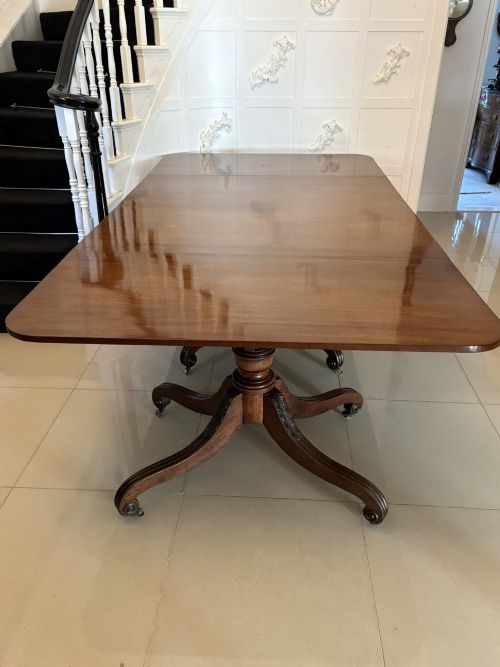
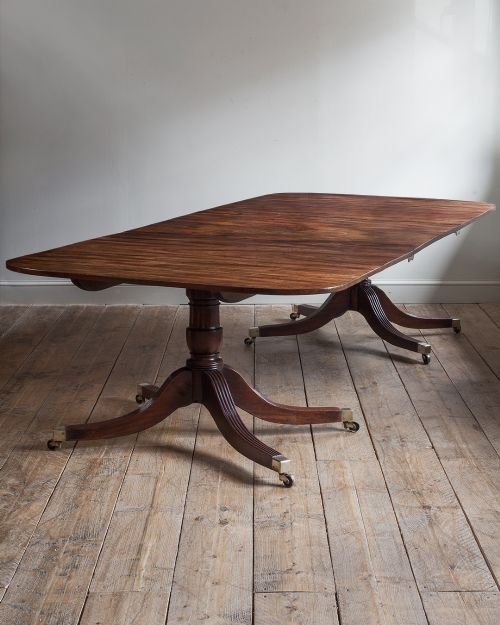
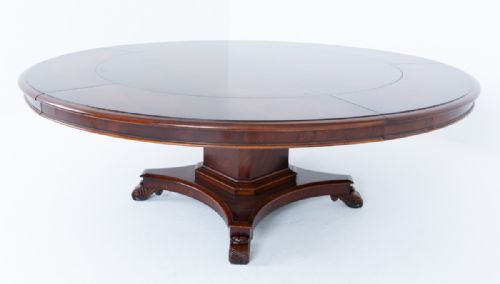
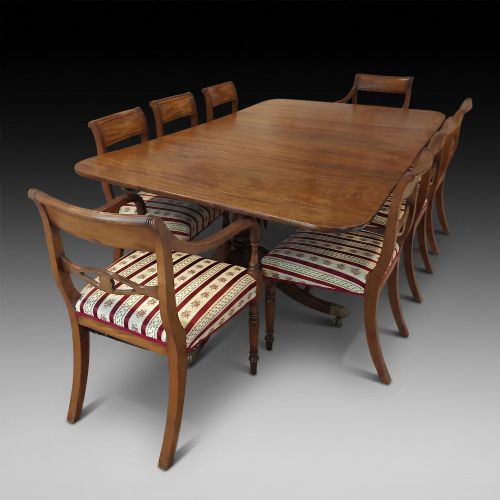
A regency mahogany extendable table is a dining surface designed to accommodate extra leaves, allowing the top to expand for large gatherings. The pieces seen here span the nineteenth century, including Georgian, Regency, William IV, and George IV eras, alongside later revival pieces.
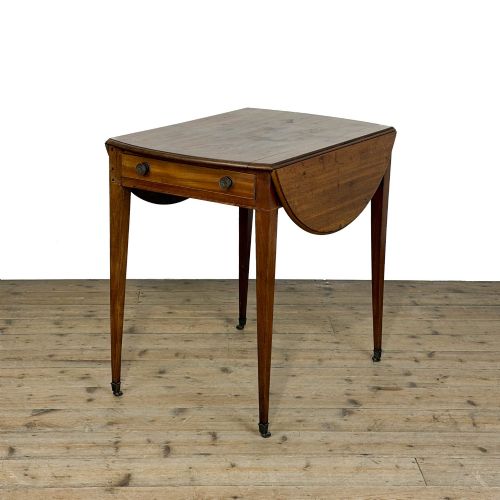
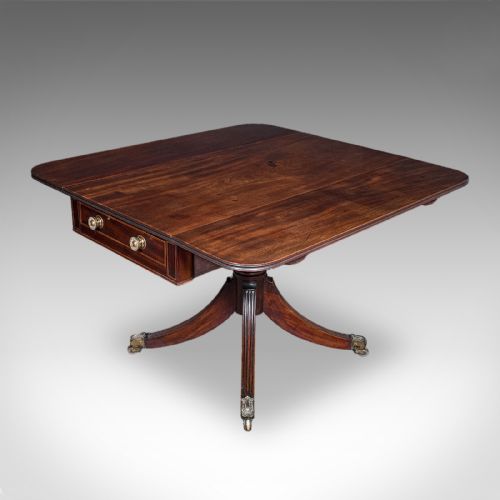
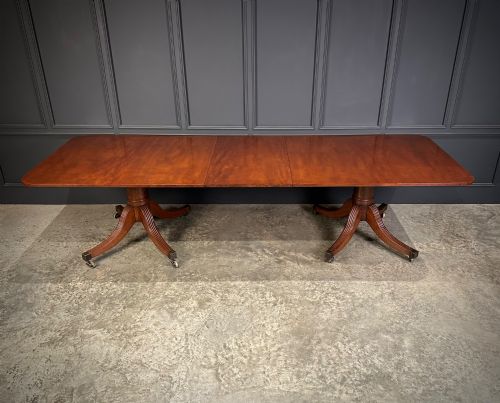
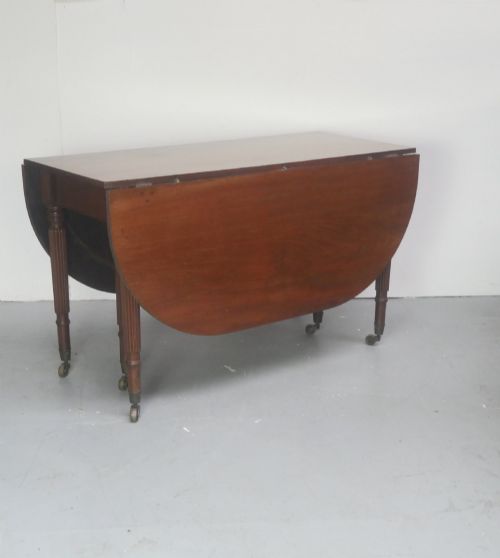
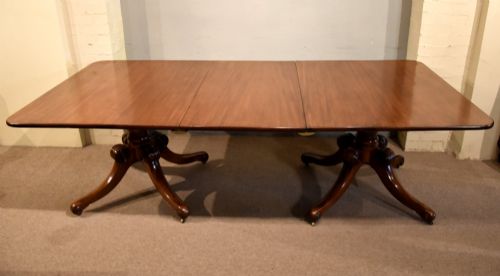
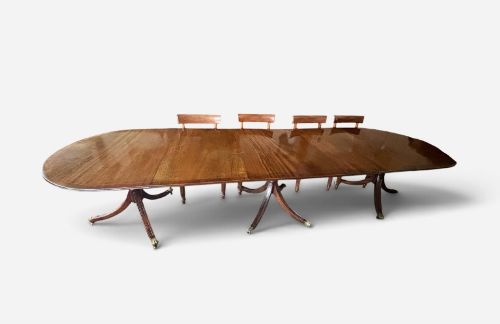
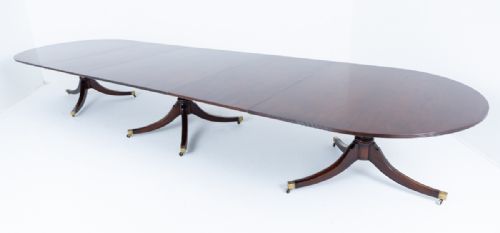
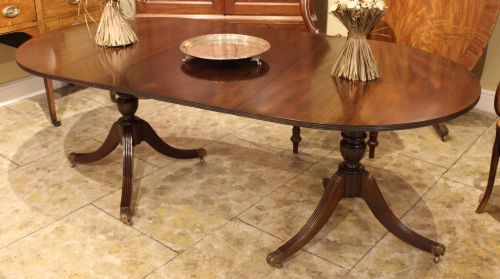
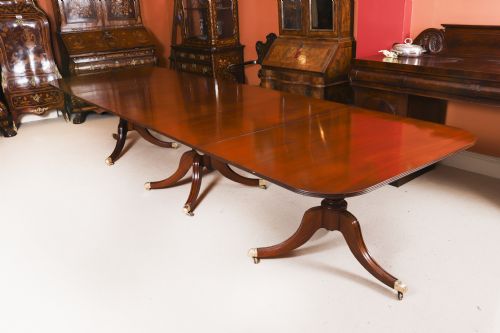
Buyers will encounter multiple configurations, from twin and triple pillar pedestal models to drop-leaf, Pembroke, and D-end designs. These tables range from smaller seating arrangements up to extensive multileaf dining suites seating twenty or more people.
Materials and Construction
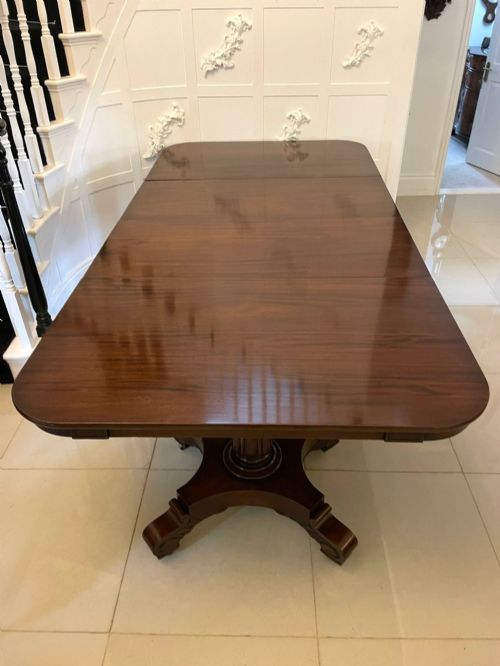
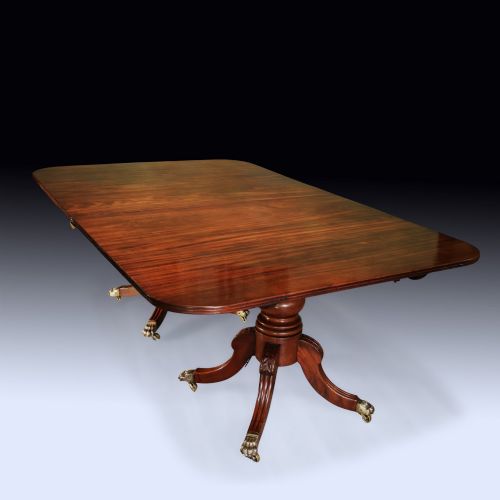
Construction relies heavily on solid and figured mahogany, including Cuban flame mahogany and rosewood accents, providing deep natural grain patterns across the primary surfaces. Timber selection often dictates the visual presence of the top, particularly when enhanced by figuring.
Hardware and mobility depend on brass fitments such as castors attached to pillar bases, supporting the weight of multi-section pedestals and expanding leaves. Joinery accommodates the mechanics of extension, utilising split bases, drop leaves, and removable extra leaves to alter the table length.
Listings feature mahogany, brass, upholstery fabric, Cuban mahogany, and rosewood across nineteenth-century and revival periods.
Craftsmanship and Proportion
Quality separates through the selection of timber figures, such as dense flame mahogany veneers or solid boards, which provide greater visual depth across large tabletops. The execution of pedestals, pillar turnings, and brass castors marks the distinction between standard workshop output and exceptional cabinet work.
Structural integrity in the mechanism of extension and the stability of multi-pillar formats dictate the long-term utility of the table. Examples attributed to notable makers or specific regional centres display refined proportions and precise joinery that elevate their status.
William and Gibton·Whytock and Reid·Gillows
The Regency Mahogany Extendable Table Glossary
- Mahogany
- A durable tropical hardwood prized for its rich reddish-brown colour and fine grain. It serves as the primary material for formal nineteenth century dining furniture.
- Pedestal
- A central support column, often single, double, triple, or quadruple, holding up the main surface. Pillar bases frequently terminate in brass castors for mobility.
- D-End
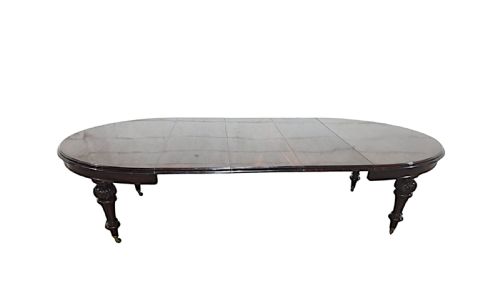
- A table configuration featuring semicircular ends that can detach or separate. These sections often combine with drop leaves or extra leaves to form a long dining surface.
- Drop-Leaf
- A table style featuring hinged flaps that fold down on the sides. Raising the leaves and supporting them expands the available surface area.
- Extra Leaf
- A removable timber panel inserted into the centre of an expanding table. These sections allow the overall length to increase to seat larger groups.
Regency Mahogany Extendable Table: Frequently Asked Questions
How do these tables extend?
These tables typically extend using a pillar and pedestal system or drop leaves, where removable extra leaves insert into the centre to increase the overall length.
Mechanisms rely on sturdy timber tracks and split bases that pull apart to accommodate the additional sections securely.
What periods do these tables represent?
The listings span the nineteenth century, encompassing Georgian, Regency, George III, George IV, and William IV periods.
Later twentieth-century revival pieces also appear, replicating the classic forms and proportions of earlier eras.
How many people can they seat?
Seating capacity varies widely depending on the number of added leaves and the length of the table.
Smaller formats accommodate four to six diners, while extensive multi-pillar examples seat sixteen, twenty, or more guests.
What timber is used?
Mahogany is the dominant material, frequently seen in figured, flame, Cuban, or solid variations across the tabletops.
Complementary materials include brass castors and occasional accents of rosewood or upholstery fabric.