



Regency Lyre Desk
These regency lyre desk pieces are classic writing furniture defined by graceful scrollwork supports, offering timeless elegance and practical workspace for any study.
Regency Lyre Desk
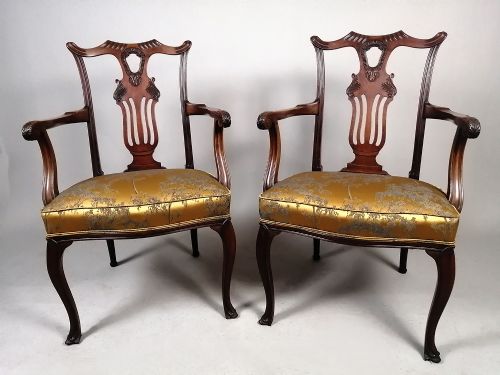
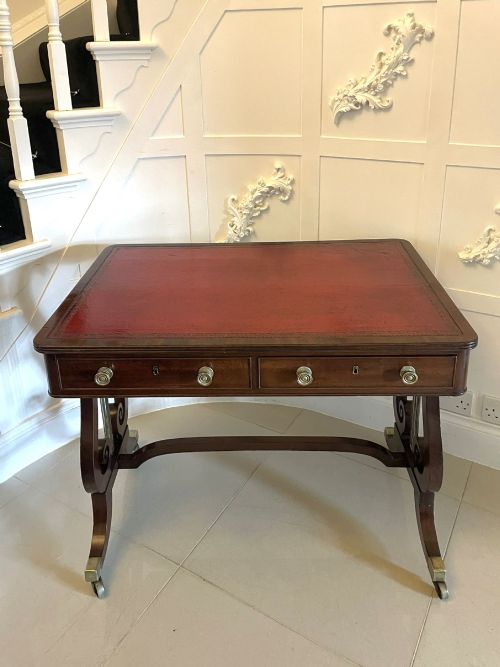
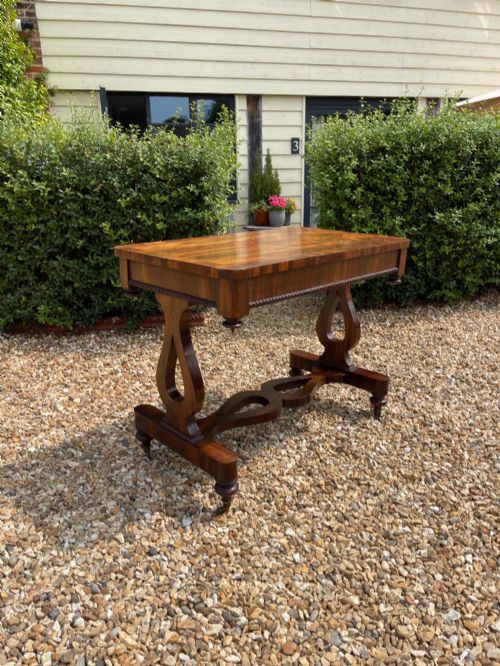
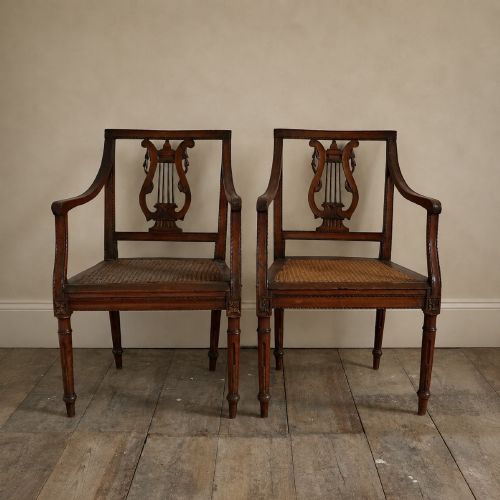
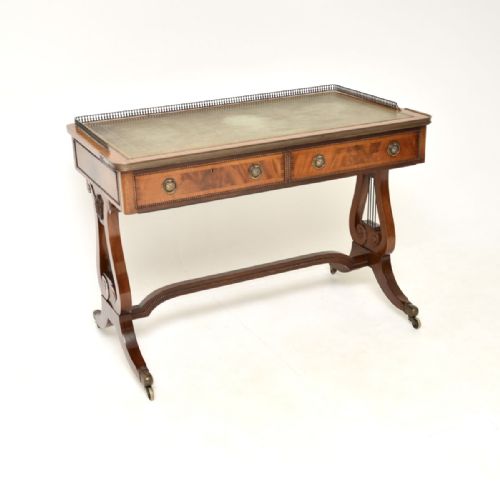
A regency lyre desk typically presents as a refined writing table or writing desk supported by distinctive lyre-shaped pedestals. The evidence on this page shows these forms emerging primarily from nineteenth century workshops alongside later revival periods.
Buyers will encounter various incarnations, from compact ladies desks to free-standing writing tables featuring leather tops. The overarching aesthetic draws heavily upon classical motifs executed in rich woods.
While many examples adhere strictly to the Regency and George IV eras, subsequent decades also produced interpretations maintaining the signature lyre configuration. These pieces serve as both functional writing surfaces and striking centrepieces.
Markers of Quality
Quality rests in the depth of timber figuring and the crispness of the carving on the lyre supports. Superior examples exhibit harmonious proportions and seamless integration of secondary woods like satinwood or boxwood.
The refinement of brass hardware and the precision of inlaid marquetry separate standard production from exceptional pieces. Attention to secondary details, such as finished backs for free-standing placement, defines the upper tier of craftsmanship.
Listings feature nineteen-century periods alongside Edwardian revivals, utilising mahogany, rosewood, satinwood, walnut, brass, leather, and fabric.
The Regency Lyre Desk Glossary
- Lyre support
- A furniture support shaped to resemble the ancient musical instrument, frequently carved from solid mahogany or rosewood. This architectural element provides both visual lightness and structural strength.
- Satinwood
- A durable, yellowish timber prized for its lustrous grain and used extensively for contrasting inlay work on fine tables. Cabinet makers employed it to create decorative borders and geometric panels.
- Stringing
- Thin inlaid lines of contrasting wood, such as boxwood, set flush into the primary surface to outline panels and drawers. It requires precise hand-cutting by the artisan.
- Marquetry
- Elaborate veneer patterns applied to furniture surfaces using various tinted woods to form pictorial or geometric designs. This technique showcases the highest levels of cabinet-making skill.
- Gilt bronze
- Metal cast and subsequently coated in gold, used for decorative mounts, feet, and clock bezels. It provides a permanent metallic lustre that complements dark tropical hardwoods.
Regency Lyre Desk: Frequently Asked Questions
What is a regency lyre desk?
A regency lyre desk is a traditional writing table characterised by its distinctive lyre-shaped end supports and classical proportions. These pieces combine practical workspace with sculptural aesthetic appeal derived from nineteenth-century design principles.
They function well as principal writing surfaces in studies or as decorative console tables in larger reception rooms. Their enduring popularity stems from the balanced integration of utility and refined woodwork.
How do I identify the period?
Dating relies on examining timber selection, construction techniques, and decorative vocabulary such as brass mounts or satinwood stringing. Earlier examples from the Regency and Georgian eras exhibit tight grain patterns and hand-cut joinery.
Later revival pieces from the Edwardian or Victorian periods often utilise softer secondary woods and machine-standardised hardware. Comparing the carcass construction against known stylistic markers clarifies the production era.
Are these desks practical for daily use?
These writing tables offer stable platforms and often include functional drawers for stationery storage. Leather-topped variants provide suitable friction and cushioning for modern handwriting tasks.
Owners should use protective pads under liquids and maintain the wood polish regularly to preserve the antique finish. Careful placement away from direct heat sources ensures the timber remains stable over time.
What woods were commonly used?
Mahogany and rosewood form the structural backbone of these pieces, selected for their deep colour and strength. Cabinet makers frequently incorporated satinwood and boxwood for decorative inlay and contrasting borders.
Secondary timbers such as pine or oak appear internally within drawer construction. The interplay of these materials creates the rich visual texture expected in classical furniture.