

Regency Lighting
Regency lighting brings classical elegance into a room through polished bronze, cut glass, and gleaming ormolu.
Regency Lighting
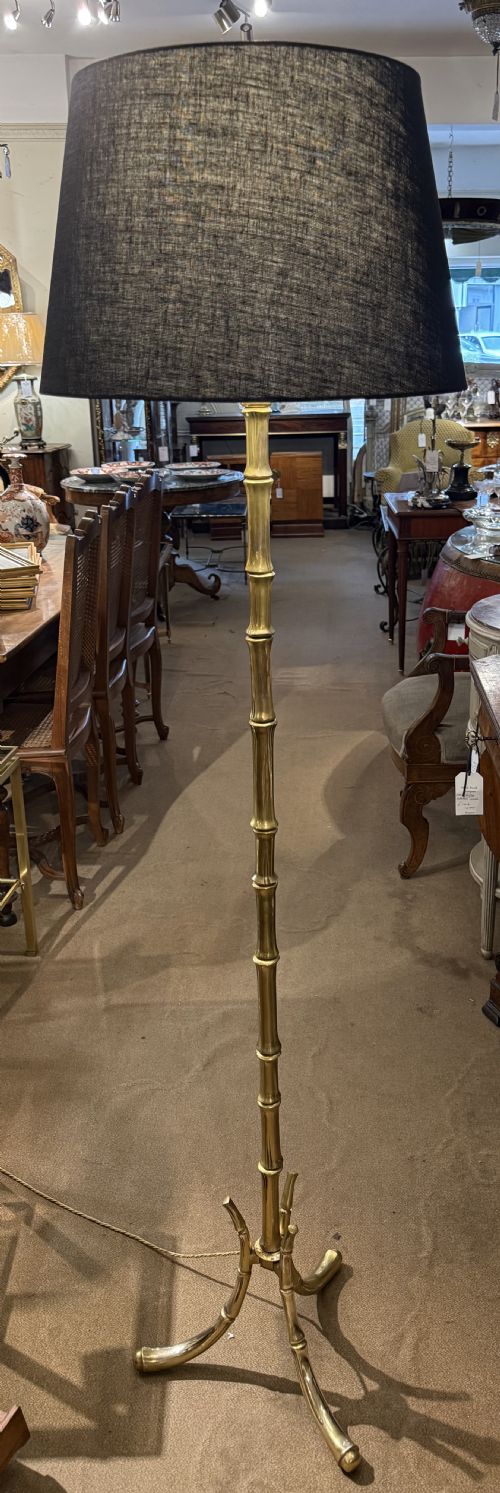
Regency lighting encompasses chandeliers, candelabra, wall lights, and standard lamps originating from the 19th century and various later revival periods. These objects provide illumination while serving as sculptural centrepieces shaped by classical design principles.
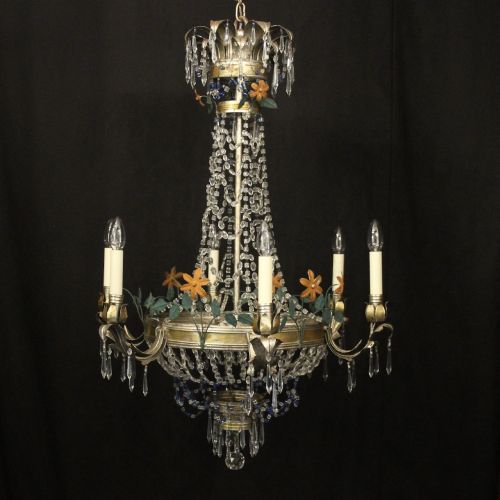
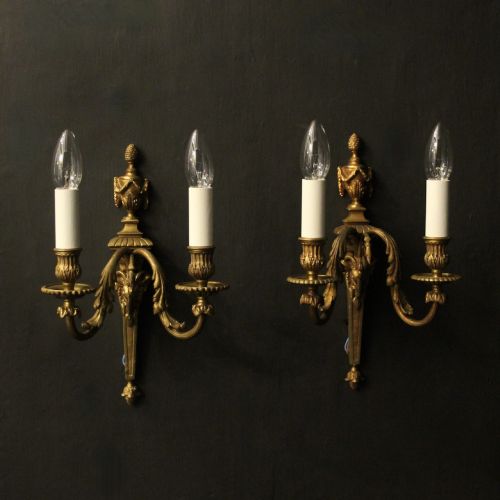
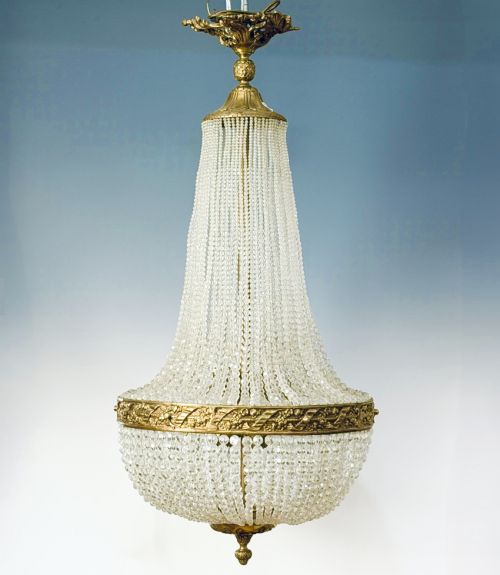
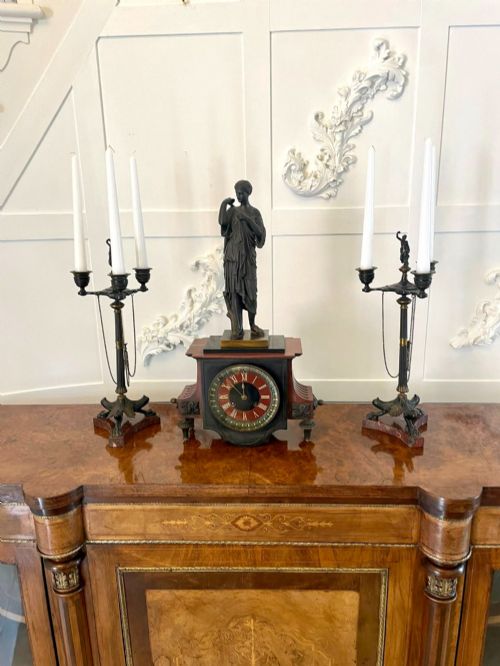
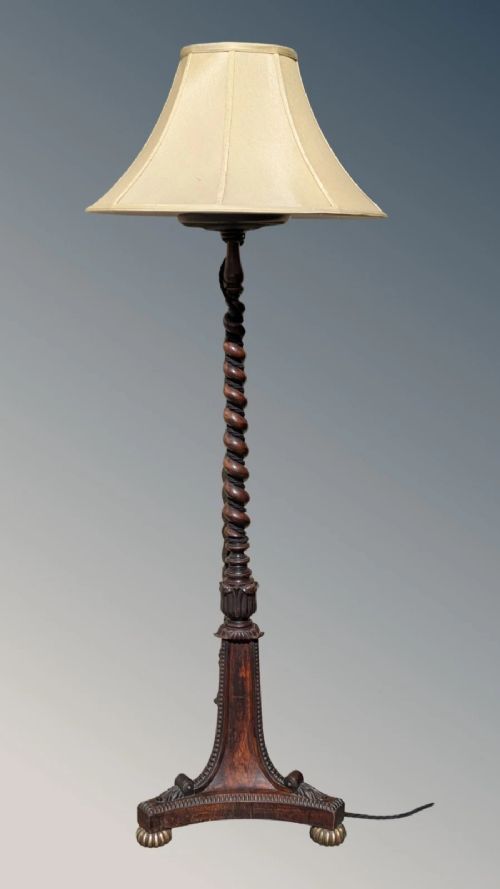
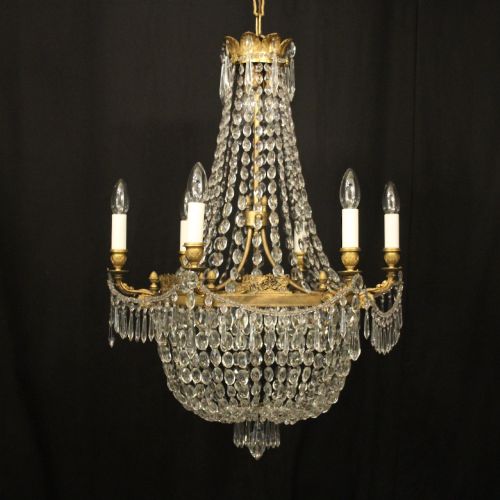
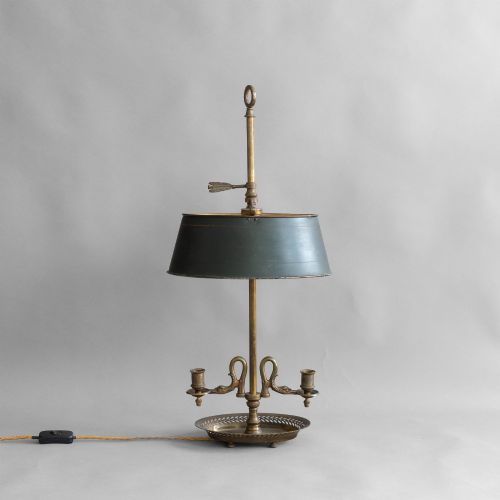
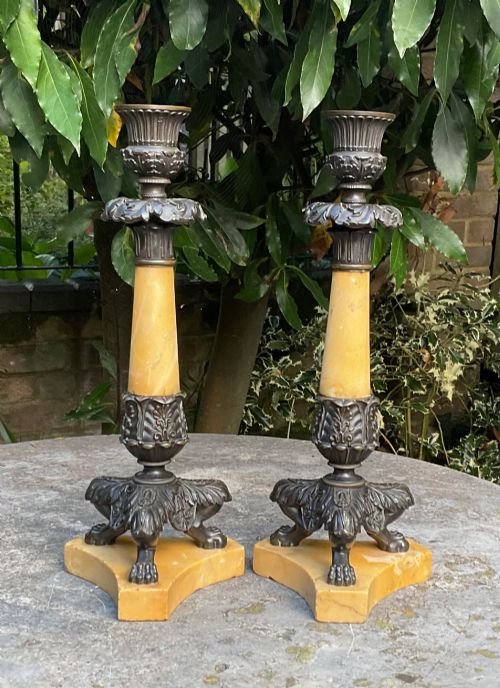
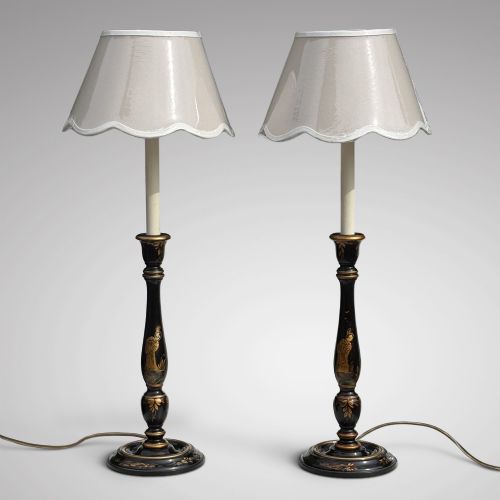
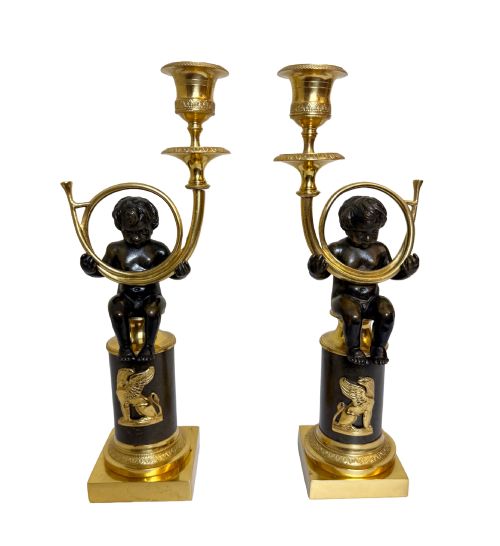
The most frequent versions encountered on this page include bronze and ormolu candelabra, cut glass crystal chandeliers, and classical table lamps. Many pieces combine multiple materials such as marble bases with cast bronze figures.
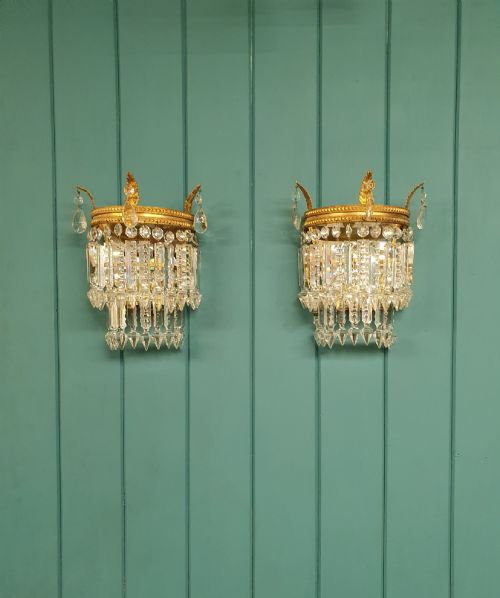
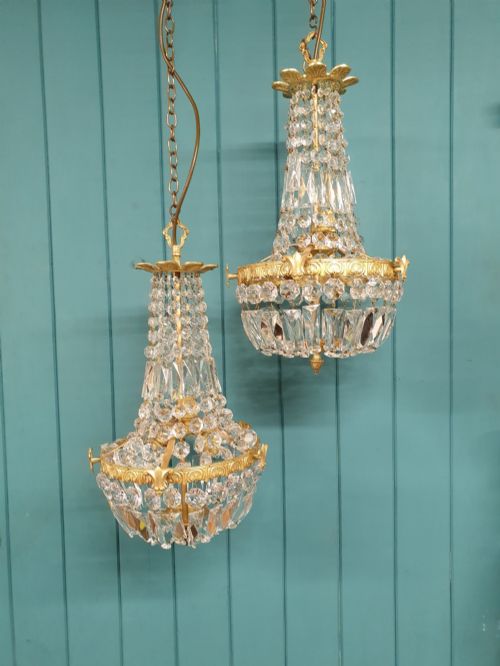
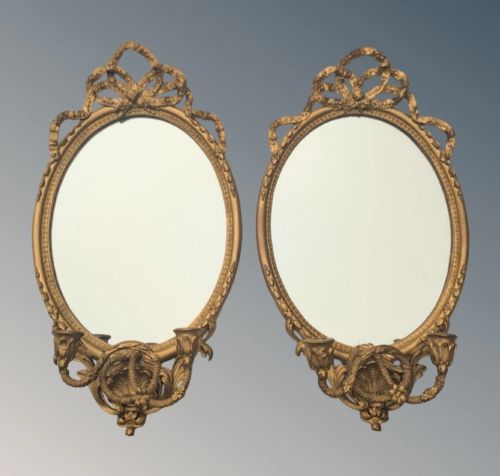
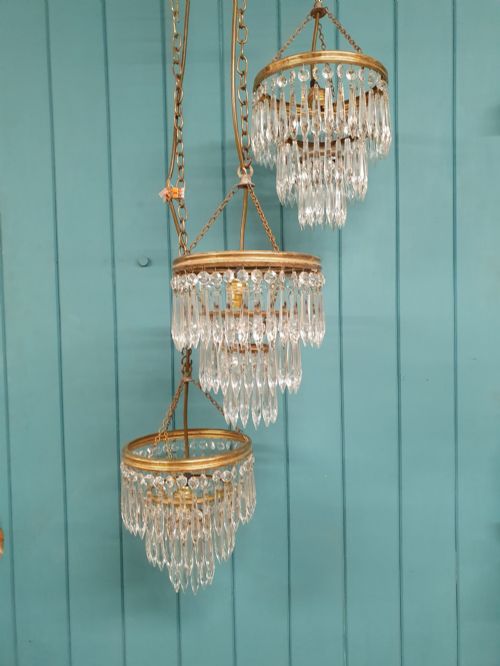
Makers and designers from the period drew inspiration from neoclassical, French Empire, and Georgian motifs. The resulting forms range from girandole mirrors to elaborate tent and waterfall chandeliers.
How they were made
Construction relies heavily on cast bronze, brass, and ormolu, often paired with carved wood or marble components. Metal parts were shaped through casting and then chased or gilded to create a finished surface.
Glass and crystal elements, particularly in chandeliers and lustres, were cut by hand to refract light across multiple facets. Frames incorporate brass wire and metal armatures to support glass drops and tent structures.
Listings feature brass, bronze, and crystal alongside fabric and marble across 19th-century and 20th-century periods.
What varies in quality
The refinement of the casting and chasing work marks the main division between standard and superior pieces. Finer examples display crisp detail in sculptural elements such as acanthus leaves, animal figures, and human forms.
The clarity and weight of the glass or crystal components further distinguish the workmanship. Higher grade chandeliers utilise heavy, clear cut crystal that holds sharp edges, whereas simpler items rely on lighter pressed glass.
Maison Bagues·Pierre Philippe Thomire
The Regency Lighting Glossary
- Ormolu
- Gilded bronze produced by applying a mercury and gold amalgam to a bronze base. This technique creates a rich, matte gold surface characteristic of fine 19th-century metalwork.
- Girandole
- A branched candleholder attached to a mirror backplate. The reflective glass helps amplify the light emitted by the candles.
- Candelabra
- A multi-branched candlestick designed to hold several candles simultaneously. These often feature central shafts decorated with classical figures or urns.
- Tent and Waterfall
- A chandelier design style featuring a conical upper section of strings of glass beads dropping down to a wider circular band. The lower waterfall effect uses suspended crystal drops.
- Lustres
- Table ornaments featuring glass drops hung around a central stem or candle nozzle. They catch and reflect ambient light.
Regency Lighting: Frequently Asked Questions
How do I wire an antique chandelier?
Wiring requires running modern flex through the existing central channels without damaging the original metal or glass structure. A professional electrician should handle the installation to ensure safety.
Many period chandeliers were originally designed for candles and have been adapted for electricity at various points in their history. Inspect the internal paths to determine the safest route for contemporary lamp holders.
Where should I hang a tent and waterfall chandelier?
These chandeliers suit spaces with adequate ceiling height where the suspended glass drops can catch the light fully. Entryways, dining rooms, and high-ceilinged reception rooms provide the ideal environment.
Ensure the hanging weight is properly secured to a ceiling joist, as the combination of metal frames and cut crystal adds considerable heft.
How do I identify a reproduction from a 19th-century original?
Original pieces display the wear patterns, casting imperfections, and hand-chased details typical of 19th-century workshop production. Revival periods such as the early 20th century also produced high-quality interpretations using older techniques.
Examine the construction joints, patination on the metal, and the method of glass cutting for clues regarding the exact era of manufacture.