



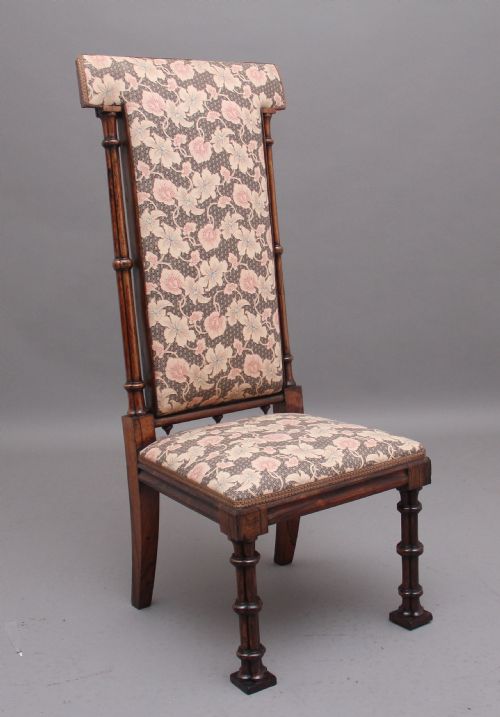


Regency High Chair
Regency high chair forms bring the elegance of the early nineteenth century to miniature seating.
Regency High Chair
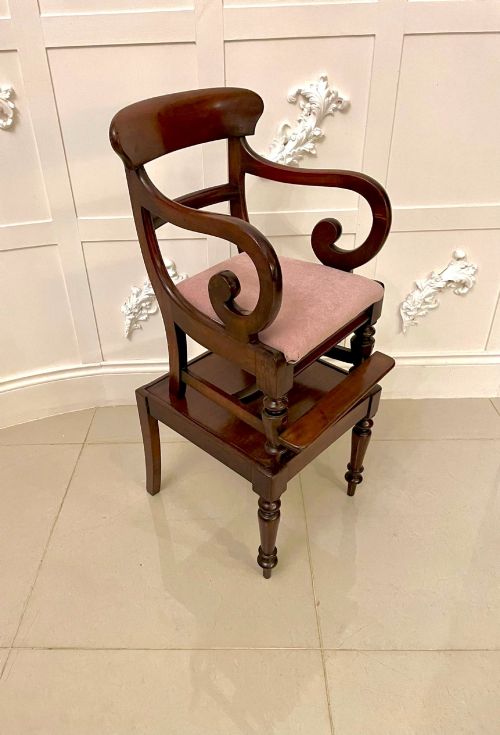
When searching for a regency high chair, buyers encounter ingenious metamorphic pieces that convert from elevated seats into low play tables, alongside child's chairs raised on stands. The pieces span the Regency, George IV, and William IV periods, reflecting the domestic priorities of wealthy households.
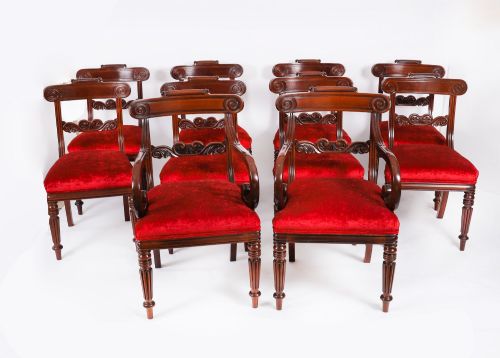
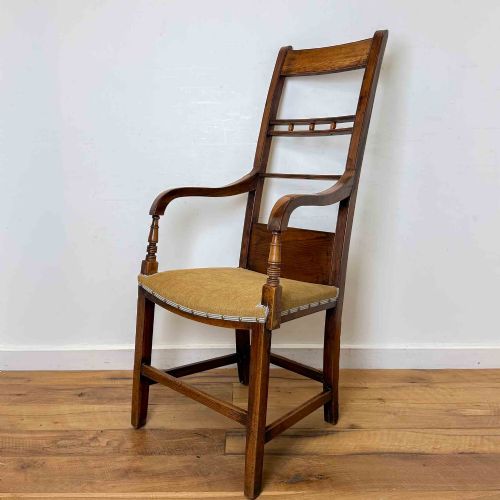
The evidence shows child's chairs dating from around eighteen-twenty constructed in mahogany, fruitwood, and elm. These forms range from simple stickback designs to upholstered library chairs scaled down for children.
Materials and construction
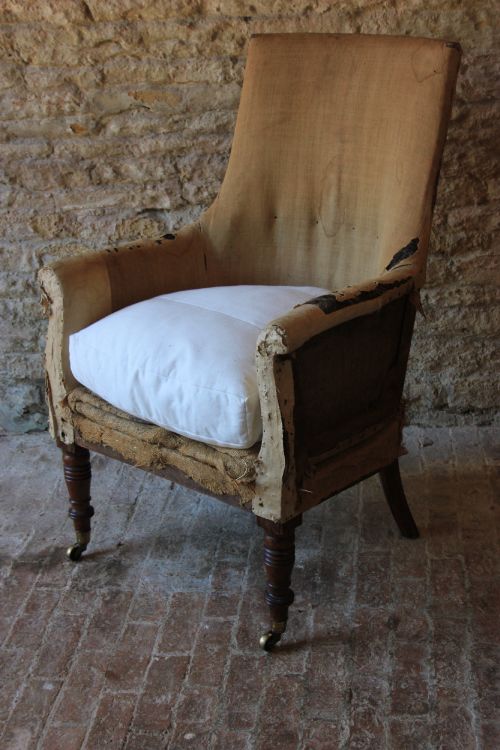
Cabinetmakers utilised dense timbers such as mahogany and rosewood, alongside fruitwood and elm for structural frames. Caned seating and fabric upholstery including leather, velvet, and hessian appear across the pieces.
Joinery techniques included hand carving and turning to shape structural members like legs and arm supports. Caning work provided a durable, breathable surface for daily use.
Regency High Chair Retail Price Guide 2026
Typical asking prices for regency high chair among the pieces listed under this phrase on Sellingantiques today, from the lower quarter to the upper quarter. They describe what is for sale here now, not the wider market.
Periods represented span the Regency, Georgian, William IV, and Victorian eras, alongside the wider nineteenth century.
What separates the best pieces
Quality rests upon the selection of timber and the precision of the joinery. Figured mahogany and well-turned elements indicate workshops of higher standing.
Originality of components, particularly the survival of matching stands on metamorphic examples, distinguishes exceptional pieces from altered survivors.
Gillows of Lancaster·Thomas Chippendale·Thomas Clarkson and Sons
The Regency High Chair Glossary
- Metamorphic
- Furniture designed to transform from one form of object into another, such as a high chair converting into a low table. This ingenuity saved space in period nurseries.
- Stickback
- A chair construction method where turned spindles are inserted directly into a solid seat and bent rail. This method provides robust support with clean linear profiles.
- Fruitwood
- Timber sourced from fruit-bearing trees such as pear or apple, utilised for secondary framing or regional furniture. It offers a warm tone and fine grain.
- Caning
- Woven rattan split material used to form light, flexible seats and backs. It requires skilled hand weaving around a frame rebate.
Regency High Chair: Frequently Asked Questions
How do metamorphic high chairs work?
These pieces unlock or pivot to separate the chair from a base table structure. The top seat section then rests flat to form a low child's desk or play table.
This clever dual-purpose design reflects the domestic ingenuity of the early nineteenth century. It provided two essential nursery items within a single footprint.
What woods were used for children's chairs?
Cabinetmakers primarily employed mahogany, rosewood, fruitwood, and elm for these smaller forms. Mahogany and rosewood suited formal drawing rooms, while fruitwood and elm appeared in more rustic or provincial pieces.
These dense hardwoods ensured the seating could withstand the heavy daily wear of nursery life. Timber choice generally mirrored the main dining and library furniture of the household.
Are these chairs suitable for modern children?
Antique children's chairs were built to nineteenth-century domestic standards and dimensions. They serve primarily as decorative collector's pieces or display items today.
Safety standards and seating heights have evolved significantly since the Regency period. Contemporary buyers typically preserve these pieces as historic objects rather than utilising them for infants.
How do I identify a Regency period piece?
Look for characteristic design elements such as saber legs, reeded framing, and classical revival motifs. Proportions remain refined even on scaled-down nursery furniture.
Materials like solid mahogany and traditional joinery methods further support the dating. Comparing pieces to documented workshop styles helps confirm the era.