



Regency Hearth Accessories
Regency hearth accessories bring order and lustre to the fireplace, combining practical service with the sharp elegance of the early nineteenth century.
Regency Hearth Accessories
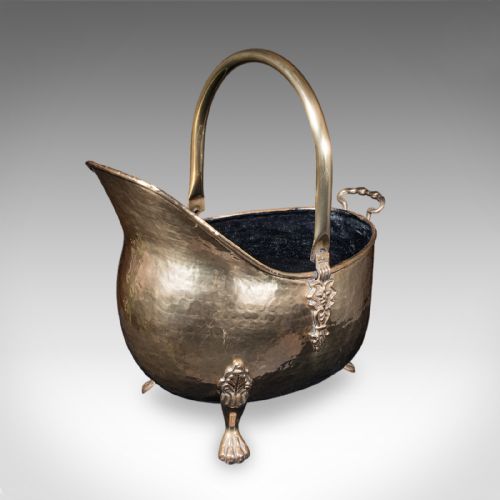
When you search for regency hearth accessories, you are looking at the ironmongery, fenders, and companion sets that equipped the principal rooms of smart houses during the early nineteenth century. These objects include coal buckets, fire dogs, and fenders designed to contain ash and manage coal fires.
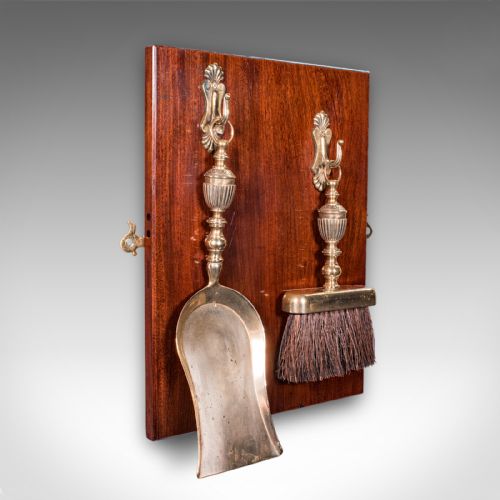
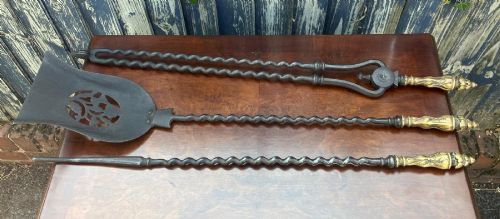
The versions you are most likely to meet on this page belong to the Regency, George IV, and broader nineteenth century periods, often drawing on classical restraint. They range from simple utilitarian cast iron tools to polished steel companion sets and decorative brass work.
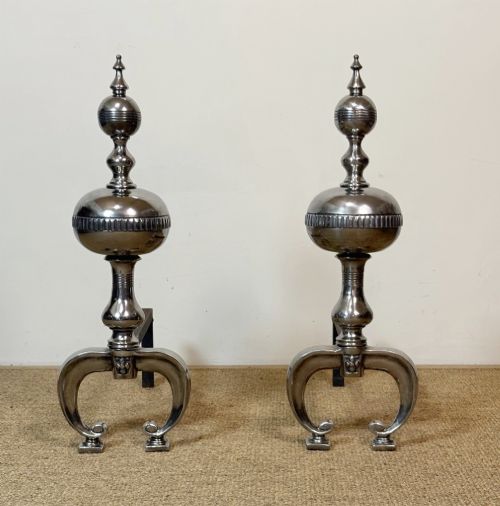
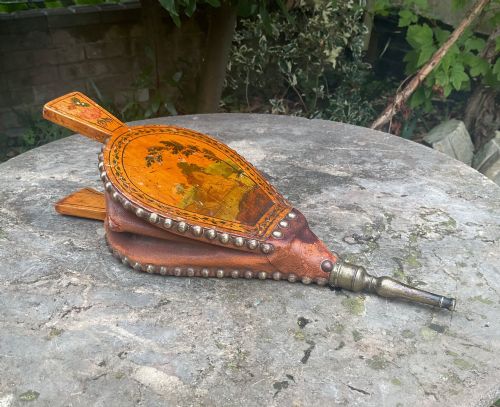
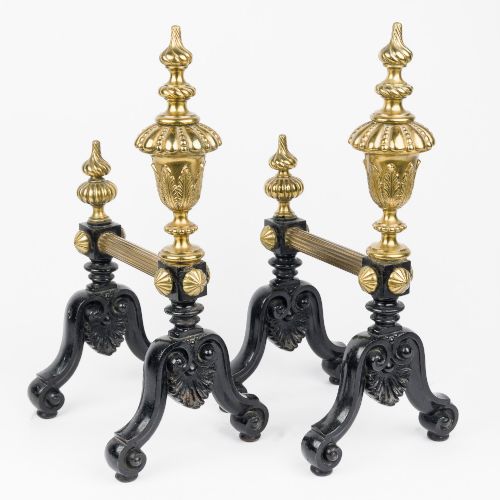
Forms vary from double-lidded coal buckets and maid's maintenance sets to adjustable fire screens and pairs of andirons. Each piece served a distinct daily function in tending the hearth before central heating altered the domestic interior.
How they were made
Makers utilised cast and wrought iron for the robust framework of fire dogs and companion sets, providing the strength needed to handle heavy logs and coal. Steel components were frequently polished or burnished to catch the firelight and resist the corrosive soot of open hearths.
Brass and ormolu appeared across fenders, bucket mounts, and decorative fire tools, offering a bright metallic contrast against the dark stone and brick of the fireplace. Wood, including turned mahogany, was occasionally employed for handles on spill holders and maintenance sets to ensure a comfortable grip.
Metals were cast, turned, and assembled by hand, reflecting the technical capability of the early nineteenth century. Details such as poker work panels on fire screens demonstrate a combination of textile or wood decoration with functional metal framing.
Regency Hearth Accessories Retail Price Guide 2026
Typical asking prices for regency hearth accessories among the pieces listed under this phrase on Sellingantiques today, from the lower quarter to the upper quarter. They describe what is for sale here now, not the wider market.
Listings show a strong concentration of brass and polished steel, reflecting the Regency preference for bright reflective metals by the fireplace.
What varies in quality
Quality rests in the weight of the metal and the crispness of the turning and casting. Heavy brass fenders and solid steel fire tools show a substantial gauge of material that resisted bending under daily use.
Finishing separates standard domestic items from finer examples, seen in the smooth burnishing of steel, the careful matching of fire irons in a set, and the precision of ormolu mounts. Finer pieces retain well-defined details on cast brass elements rather than softened, blurred surfaces.
The Regency Hearth Accessories Glossary
- Andirons
- Supports used to hold logs above the hearth floor to allow air to circulate beneath the fire. They often feature decorative fronts that remain visible when the fireplace is unlit.
- Fender
- A low metal guard placed around the hearth to contain stray embers and ash. Regency examples frequently utilise pierced or cast brass.
- Chenets
- French term for fire dogs or andirons, often applied to decorative examples incorporating bronze and ormolu. They sat at the front of the hearth for ornamental effect.
- Spill holder
- A small container designed to hold thin wooden spills or tapers used for transferring a flame from the fire to candles or pipes. Turned examples in wood were common on mantelpieces.
- Companion set
- A matched collection of fireside tools, typically including a shovel, poker, and tongs, kept together on a stand or fender. They formed the standard maintenance equipment for coal and wood fires.
Regency Hearth Accessories: Frequently Asked Questions
How do I use them today?
Many buyers use original brass fenders and fire irons with working open hearths or wood-burning stoves. Solid steel tools remain fully functional for tending fires.
Porter's buckets and coal scuttles serve equally well beside modern hearths for storing kindling or coal, adding period character to the room.
How do I tell periods apart?
Regency and early nineteenth-century pieces tend to feature clean classical lines, bright polished steel, and restrained brass ornament. Later nineteenth-century revivals often incorporate heavier or more exuberant Victorian cast details.
Looking at the construction methods, such as hand-turned wooden components and heavy gauge brass, helps distinguish older ironmongery from later reproductions.
Are these pieces functional?
Most items listed were made for daily use and remain robust enough for modern fireside duties. Steel fire tools and cast iron andirons are particularly durable.
More delicate decorative items, such as ormolu chenets or antique fire screens, require gentle handling and are best suited for display rather than heavy stoking.