




Regency Fluted Leg Desk
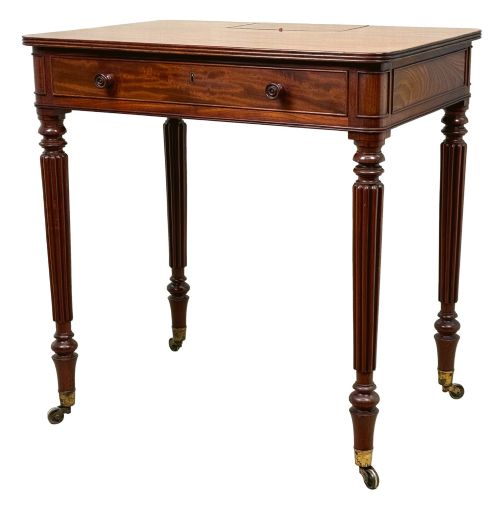
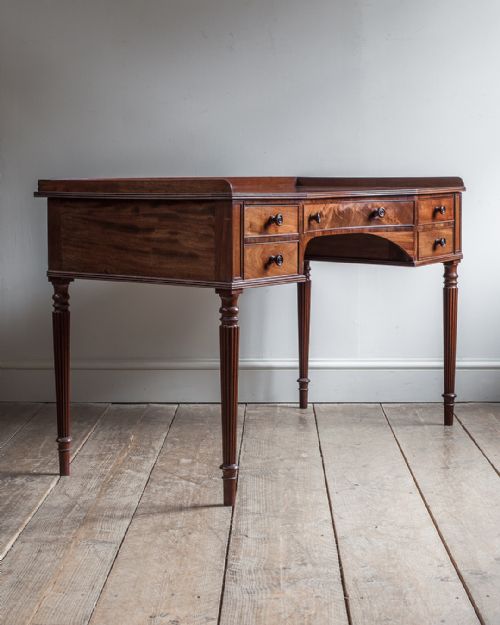
A regency fluted leg desk offers solid timber construction and classical proportions, bringing period elegance directly into a working study.
Regency Fluted Leg Desk
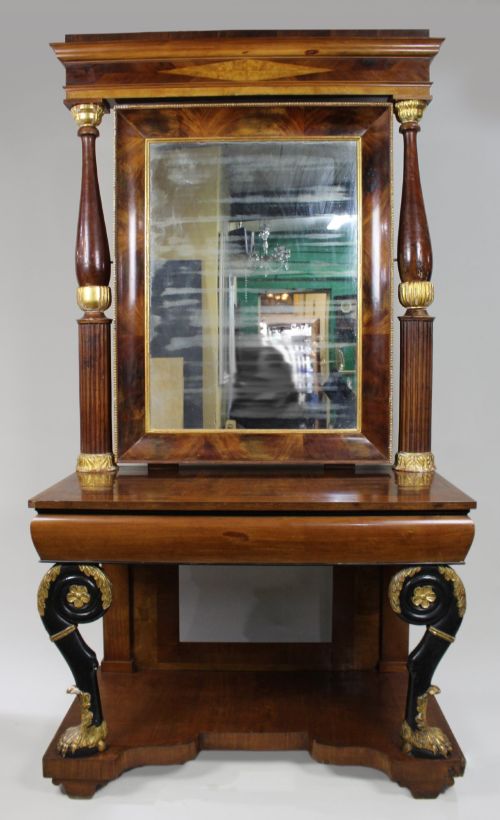
When you search for a regency fluted leg desk, you enter a category defined by early nineteenth-century cabinet work, library tables, and writing desks. The pieces listed span the Georgian and Regency periods, alongside later nineteenth and twentieth-century iterations.
Most examples found on this page consist of mahogany or rosewood writing tables, library tables, and partner desks. These forms often feature fitted drawers, leather tops, and distinct turnings that ground the design.
Makers such as Gillows appear alongside broader workshop traditions of the period. Buyers encounter both compact chamber writing tables and larger library pieces suited to substantial rooms.
How they were made
Carpenters constructed these desks primarily from mahogany and rosewood, often selecting timber with rich grain patterns. Secondary woods provided structural stability inside drawer boxes and framing.
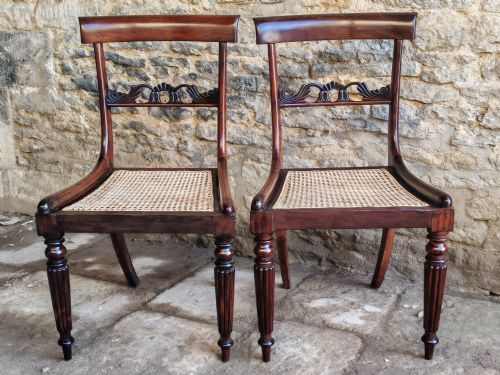
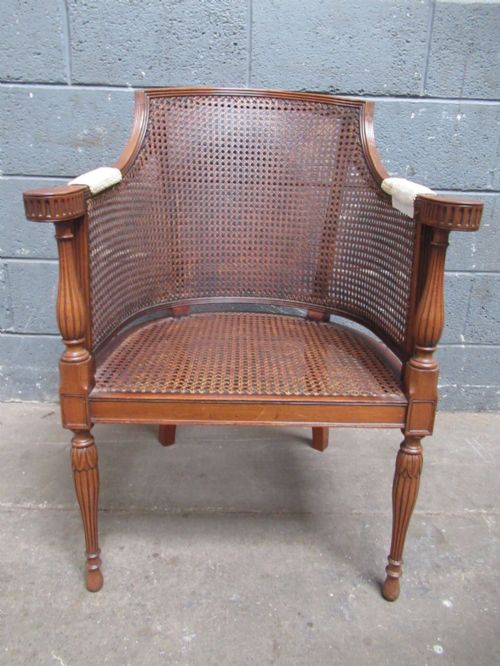
Workshops integrated brass hardware, leather writing surfaces, and woven cane into the designs. Inlaid details and turned legs required precise hand-tool work by skilled cabinet makers.
Regency Fluted Leg Desk Retail Price Guide 2026
Typical asking prices for regency fluted leg desk among the pieces listed under this phrase on Sellingantiques today, from the lower quarter to the upper quarter. They describe what is for sale here now, not the wider market.
Desks frequently incorporate leather inserts, brass hardware, and plan drawers designed for specialised storage.
What varies in quality
The distinction between standard workshop production and high-end cabinet making lies in timber selection and the crispness of the carving. Superior pieces exhibit carefully matched veneers and precisely turned leg details.
Attribution to documented makers elevates a piece, as seen in labeled works by Gillows. The integrity of original brass fittings and leather inserts also influences the standing of individual desks.
Gillows·Gillow Lancaster
The Regency Fluted Leg Desk Glossary
- Partners desk
- A large writing table designed with drawers on both sides to accommodate two people working face to face. These forms frequently appear in libraries and institutional spaces.
- Library table
- A freestanding writing table finished on all sides so it can sit in the middle of a room. They often incorporate multiple drawers for storage.
- Rosewood
- A dense, dark timber featuring pronounced figuring that cabinet makers utilised for high-status furniture during the nineteenth century. Its rich colour made it a favourite for formal drawing rooms.
- Mahogany
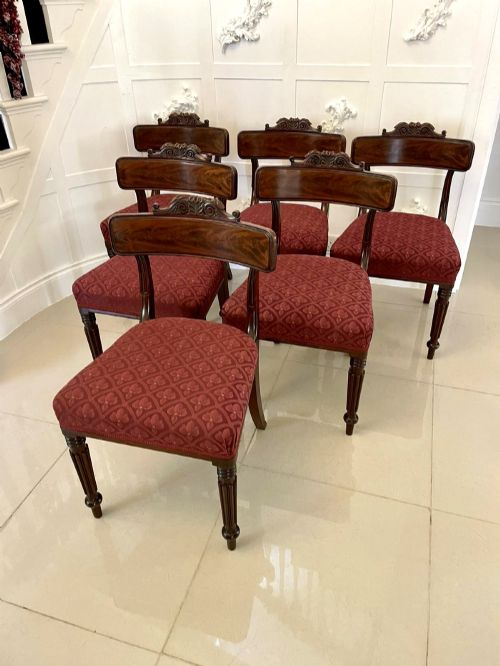
- A durable tropical hardwood imported for British cabinet making. It provided stability and an attractive reddish-brown tone for desks and chairs.
Regency Fluted Leg Desk: Frequently Asked Questions
Where were these desks placed?
These desks typically stood in libraries, studies, or private chambers of large houses. Their finished backs allowed them to sit centrally within a room rather than against a wall.
Larger partner versions accommodated professional correspondence, while smaller chamber writing tables served domestic correspondence.
How do I care for leather tops?
Leather writing surfaces require gentle cleaning with a soft, dry cloth to remove dust. Avoid harsh chemical cleaners that can dry out and crack the historical hide.
Applying specialised leather balms periodically helps maintain flexibility and preserves the surface texture.
What defines the Regency style?
The Regency style draws heavily on classical Greek, Roman, and Egyptian motifs. Furniture from this era emphasises clean lines, balanced proportions, and restrained ornamentation.
Turned legs, brass inlay, and dark imported timbers are typical hallmarks of this period in British design.
How can I identify Gillows work?
Makers such as Gillows often stamped their furniture directly onto drawer runners or structural framing. The presence of specific construction techniques and high-grade mahogany also points toward their workshops.
Attribution sometimes relies on documented design drawings matching surviving physical characteristics.