

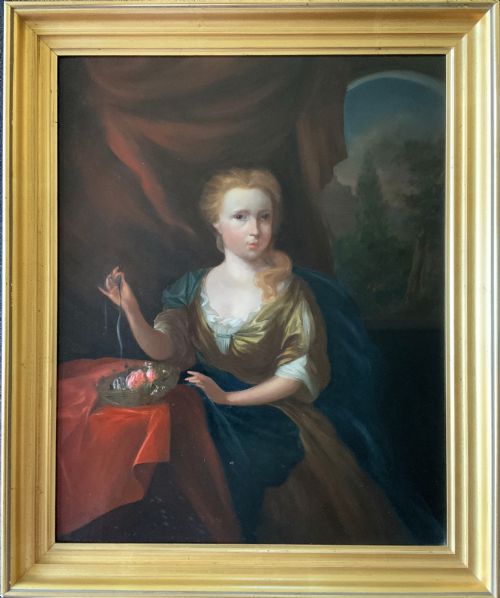


Regency Female Artwork
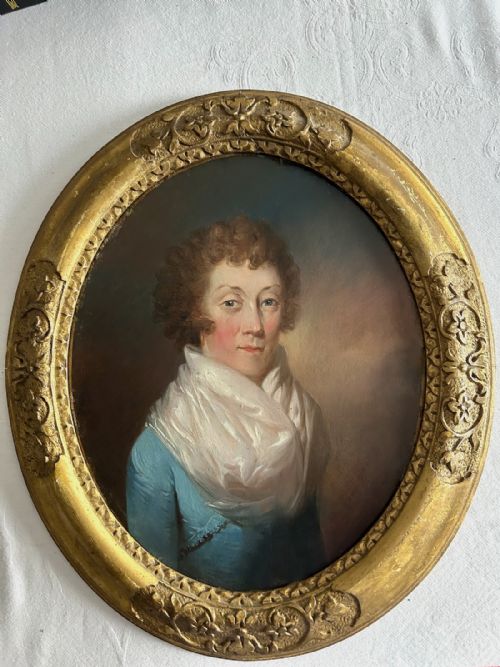
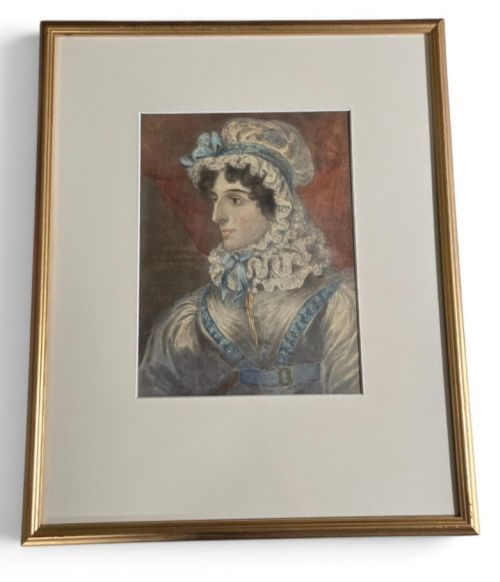
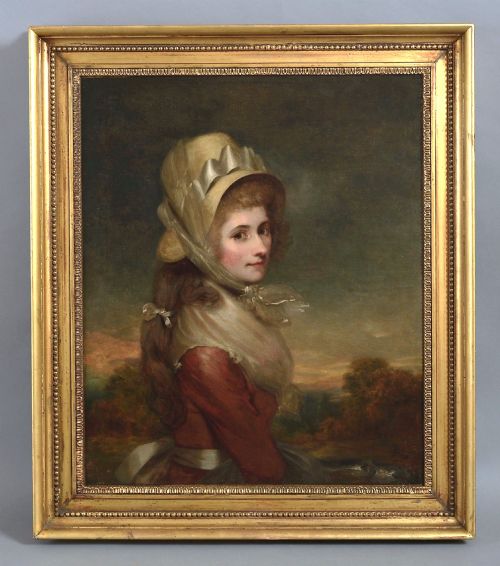
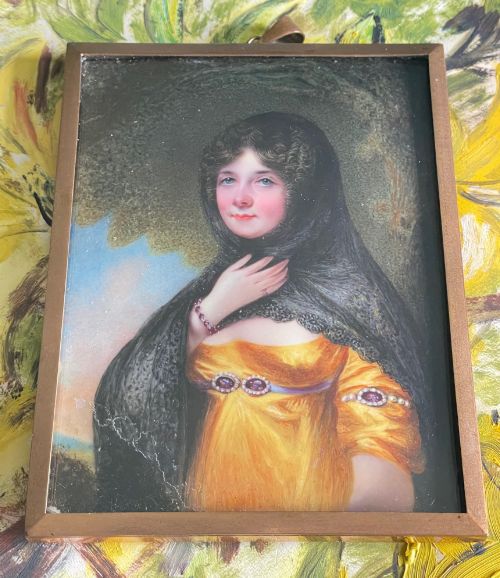
Regency female artwork captures the likenesses of women through oil, watercolour, and enamel from the late eighteenth and early nineteenth centuries.
Regency Female Artwork
These pieces consist primarily of portraiture depicting women through oil on canvas, watercolour, pastel, gouache, and enamel. They stem from periods designated as Regency, Georgian, eighteenth century, and nineteenth century.
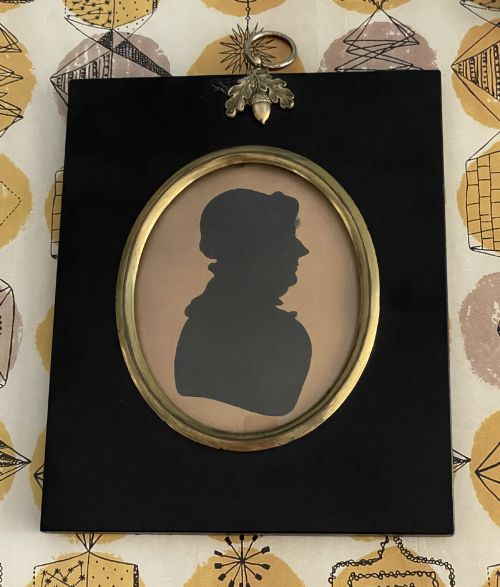
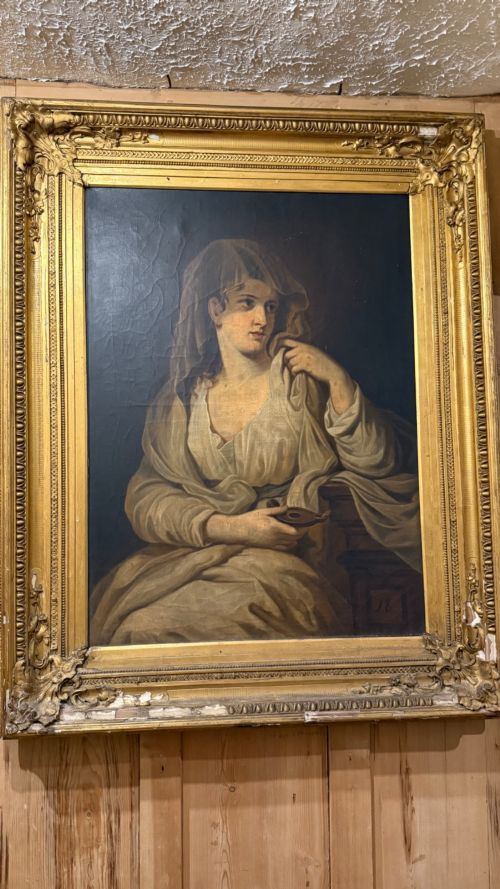
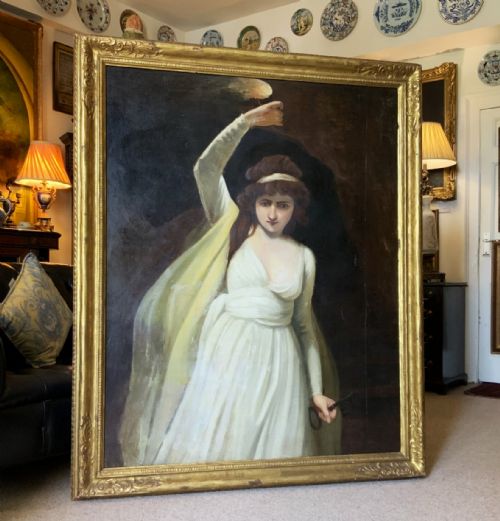
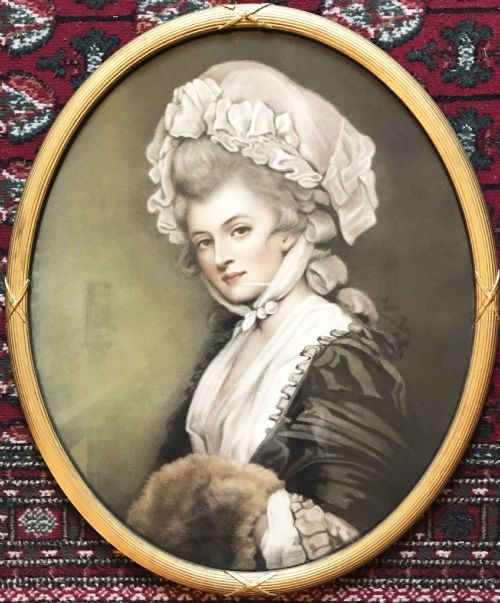
The subjects range from intimate portrait miniatures and painted silhouettes to large framed oil paintings and hand-coloured engravings. Many portray named sitters, including actresses, nobility, and literary figures, alongside sitters recorded simply as ladies.
Framing forms an integral part of these items, with original maple and giltwood frames frequently housing the works. The selection spans studio productions, attributed pieces, and works by documented portrait painters of the period.
Materials and technique
Artists of the period painted primarily with oil on canvas or applied watercolour and pencil to paper. Some makers utilised pastel and gouache, whilst enamel on copper served for detailed portrait miniatures.
Support materials include ivory for miniature paintings and various types of card or paper for watercolours and prints. Frames incorporate gilt wood, giltwood, and maple, often protecting works behind glass.
Regency Female Artwork Retail Price Guide 2026
Typical asking prices for regency female artwork among the pieces listed under this phrase on Sellingantiques today, from the lower quarter to the upper quarter. They describe what is for sale here now, not the wider market.
Several ladies gaze out across the centuries wearing blue bonnets, silk gowns, and feathered hats.
Variations in quality
The survival of original components influences the character of the piece, particularly where period giltwood or maple frames remain intact. The preservation of the pigment, whether oil, watercolour, or enamel, dictates the visual clarity of the sitter.
Sir Martin Archer Shee·Edward Bradford·Horace Hone·Sir Thomas Lawrence·James Gillespie·John Russell·John Opie·George Romney·Albin R Burt·Smith of London·John Raphael Smith·Henry Pierce Bone·Jeremiah Steele·George Perfect Harding·Edward Smyth
The Regency Female Artwork Glossary
- Portrait Miniature
- A small-scale painting, frequently executed on ivory, vellum, or enamel, designed for intimate viewing.
- Gouache
- An opaque watercolour medium containing a white pigment additive to produce a heavier, denser finish.
- Enamel
- A decorative coating fused to a metal base, such as copper, through firing to create a durable miniature portrait.
- Hogarth Frame
- A distinctively profiled wooden picture frame with a stepped, ogee section, popular during the eighteenth and nineteenth centuries.
- Pastel
- A dry drawing medium composed of powdered pigment and a binder, frequently used for soft-toned portraits on paper.
Regency Female Artwork: Frequently Asked Questions
What is regency female artwork?
These works comprise portraits of women created in various media during the Regency and Georgian eras. They record the fashions, hairstyles, and societal roles of female subjects through the eyes of contemporary artists.
The selection includes oil paintings on canvas, delicate watercolours on paper, enamel miniatures, and engraved prints. Many depict specific historical figures, actresses, and writers of the period.
How do I care for antique watercolours?
Watercolours on paper require protection from direct sunlight to prevent the pigments from fading over time. Maintaining a stable environment away from damp conditions preserves both the paper support and the framing materials.
Glazing protects the painted surface from dust and atmospheric pollutants, whilst backing boards should remain sealed to prevent environmental contamination.
How are different periods identified?
Portraits from this era reveal their period through the sitter's costume, including waistlines, bonnets, and fabrics like silk. Hairstyles, from classical ringlets to elaborate updos, also provide clear chronological markers.
Framing styles, technical signatures, and artist attributions help anchor the work within the broader eighteenth and nineteenth-century artistic traditions.